The Story
Why it exists.
The beginning
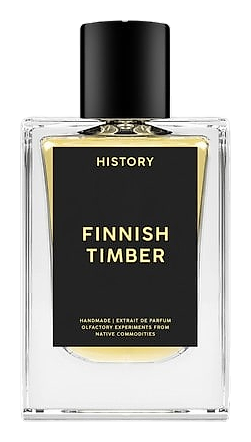
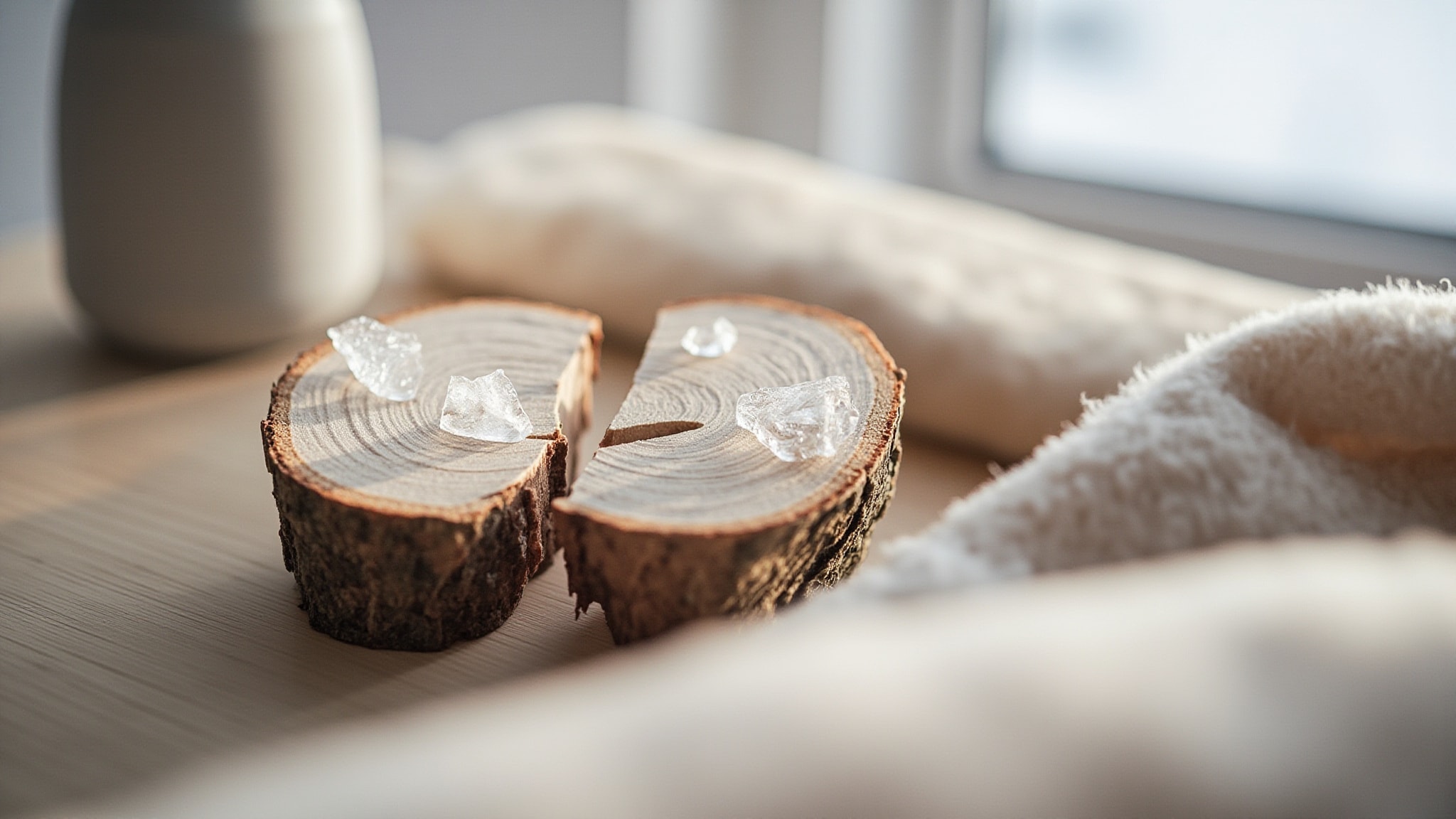
Finland is the most forested country in Europe. Three quarters of its land covered in trees, harvested for timber for centuries, not just an industry but a cultural inheritance. History Parfums built Finnish Timber around this relationship: the sensory memory of those forests translated into a fragrance. Spruce and sandalwood evoke the stillness of winter woods. The vanilla base anchors it like a memory of warmth and shelter. Launched in 2024, Finnish Timber completes a Nordic trio alongside Icelandic Wool and Swedish Forests, each one a different northern landscape captured in scent.
The "Finnish woods" accord is deliberately ambiguous, there is no tree called Finnish wood. This vagueness is the point. The accord draws from the Finnish forest as a system, not a species: conifer, birch, the mineral coolness of northern latitudes. The ozonic note, labeled "mountain air" in the composition, does the opposite work: it opens the forest up, lets cold air circulate through the drydown's warmth. What emerges is a fragrance about a place where clean air and ancient trees have been in conversation for centuries. That tension between cool openness and warm depth is where Finnish Timber lives.
The evolution
The opening hits fast: blood orange and lime arrive bright, tart, almost sharp, like cold light through pine branches. The ozonic note cuts through immediately, mineral and clean, that sharp intake of cold air at altitude. The citrus and air hold for roughly 15 minutes before the hand-off begins. Then the heart takes over. Spruce and sandalwood move forward, the forest character deepening. Finnish woods, that blended accord, adds dimension without naming a single tree. Vanilla underneath keeps it warm rather than cold. This phase lasts 1-3 hours depending on skin chemistry. On drier skin, the vanilla becomes more pronounced and the ozonic edge sharpens. The drydown arrives around hour 3. Dry wood, blonde woods, sandalwood, warm, close, mineral. The tonka bean adds sweetness that rounds the edges without softening the wood. The result is a Finnish cabin: clean timber, afternoon light, a trace of vanilla on warm surfaces. The sillage stays moderate throughout. Never fills a room.
Cultural impact
Finnish Timber arrived in 2024, part of a moment when niche perfumery began treating place as creative material rather than marketing language. The brand's approach, transparency about sourcing, precision about what a location smells like, positioned it differently from houses relying on generic positioning. Whether Finnish Timber succeeds in that ambition depends on who you ask. The community votes are still coming in.