The Story
Why it exists.
The beginning
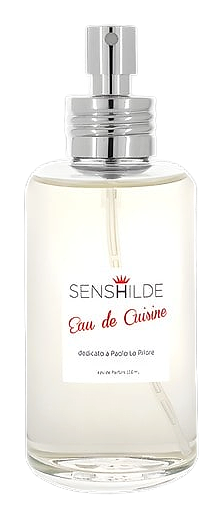
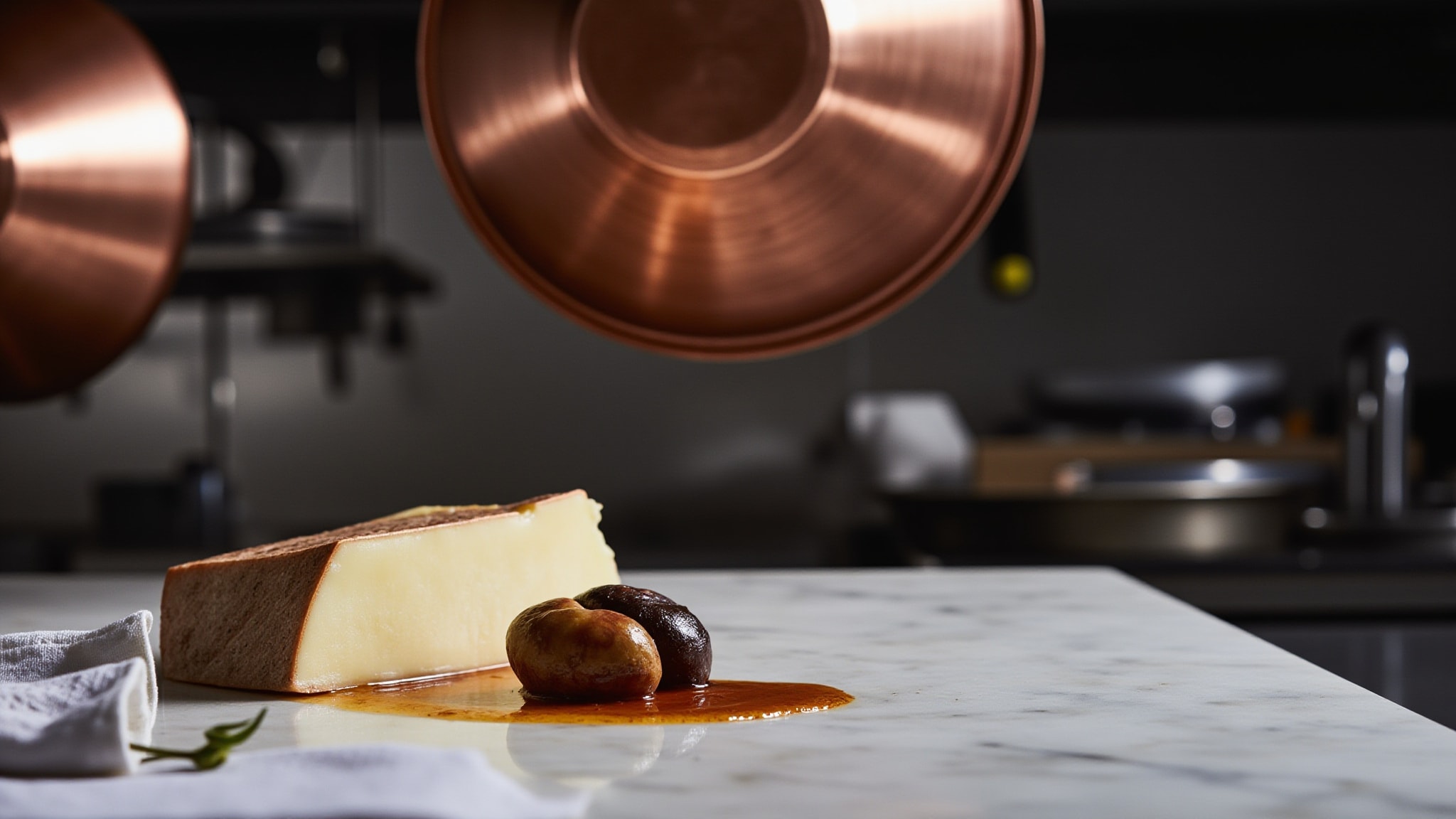
Eau de Cuisine was launched in 2019 by Hilde Soliani as a direct homage to her friend Paolo Lopriore, a chef she describes as a genius. The fragrance sits inside her broader creative output and cranks the volume on a concept that runs through much of her work: translating culinary identity into scent. The name itself carries a wink. Eau de Cuisine. It sounds like the title of a cooking show, or a kitchen-themed fragrance line that already existed somewhere in the imagination before it ever reached a shelf. Soliani pulled it into reality. Eau de Cuisine is built around an unlikely set of notes for a fine fragrance: fish, cheese, chestnut, and anise, a combination that immediately signals the seriousness of the playful concept behind it.
What makes Eau de Cuisine more than a novelty is the note set itself. Fish and cheese in a fine fragrance is unusual, and the combination carries a certain gravitational pull. Hilde Soliani works with that pull rather than around it. The anise provides the cool, herbal counterweight that keeps the savory elements from going dense. The chestnut grounds everything in something roasted, autumnal, faintly sweet. The accords reported by wearers cluster around savory, animalic, marine, and anisic. That is a strange fingerprint for a bottle on a vanity.
The evolution
Eau de Cuisine opens with a wave of anise that is sharp, almost liqueur-like, and immediately followed by a brine that does not announce itself as salt. It reads as the sea on a plate, briny and cool, with an herbal lift from the anise that keeps the marine accord from feeling damp. Within fifteen minutes, the cheese and chestnut arrive together, and the fragrance pivots from appetizer to main course. The sharpness of the anise pulls back, and a soft, musky warmth takes over. The cheese accord deepens into something richer and more lactic, while the chestnut brings a roasted nuttiness that grounds the whole composition. The marine note retreats but does not disappear, lingering at the edges like a memory of the opening. As the hours pass, the savory and marine elements fade into the background, and what remains is a warm, nutty skin scent with a faint sweetness from the chestnut.
Cultural impact
Eau de Cuisine is a love letter to a specific chef, and that specificity is what makes it linger in the minds of people who encounter it. It is a savory fragrance, and that single word separates it from almost everything else in the gourmand conversation. The composition reads as deliberate from the first spritz, a studied arrangement of fish, cheese, chestnut, and anise that most perfumers would never assemble in the same formula. The Hilde Soliani brand has cultivated a following among collectors who seek out unusual compositions, and Eau de Cuisine sits at the center of that reputation.