
The Story
Why it exists.
The beginning
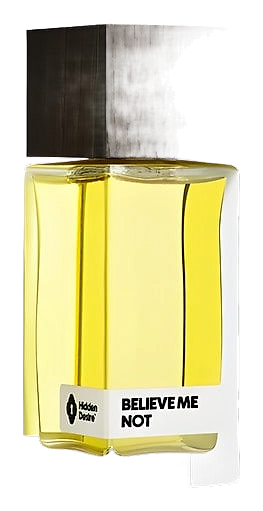
Believe Me Not is the collection's quiet accusation, built around the tension between what you say and what you mean. Perfumer Miguel Matos constructed this fragrance around that same paradox. The opening arrives with a translucent sweetness that immediately sets you on edge. Not gourmand, not floral, but something softer, something that suggests the words caught in your throat before you decide whether to release them. Smoke curls underneath from the first moment, not as an accent but as the grounding force that keeps everything honest. There is rum in the top notes, warm and slightly spiced, which makes the initial impression feel both familiar and impossible to pin down. This is what that hesitation smells like: sweet enough to trust, dark enough to question yourself.
The note structure doesn't choose a side. Smoke and rum arrive together, neither one dominant. The blackcurrant in the heart brings a faint tartness that keeps the sweetness from settling too comfortably. Tobacco arrives unhurried, bringing a dry character that grounds everything beneath it. Lime blossom adds an unexpected brightness to the heart, a floral lift that prevents the composition from becoming entirely shadowed. What makes this composition unusual is that none of the layers apologize for coexisting. Sweetness and smoke don't fight here. They negotiate.
The evolution
The opening hits with rum and smoke, but not the aggressive kind. This smoke curls rather than burns. The rum is warm, not sharp. Ten minutes in, the blackcurrant appears like a flicker at the edge of something you can't quite name. It adds a dark fruit quality that makes the honey seem less like sweetness and more like preservation, like something sealed away. The tobacco arrives quietly, taking its time. By the second hour, the vetiver has anchored everything to something earthier, greener, less obviously sweet. The drydown is where the oud finally surfaces, slow and resinous, with the ambergris adding an animal warmth that lingers on skin and fabric long after you've stopped thinking about it. Two days later, on clothing, it still smells like a room someone just left.
Cultural impact
Believe Me Not occupies space in niche perfumery that treats scent names as the primary creative statement, inviting questions rather than providing answers. The brand's approach questions what fragrances can communicate beyond smell, using the tension between name and experience as its central argument. Wearers who gravitate toward Believe Me Not tend to be those drawn to fragrance as self-expression rather than purely as aesthetic purchase.