The Story
Why it exists.
The beginning
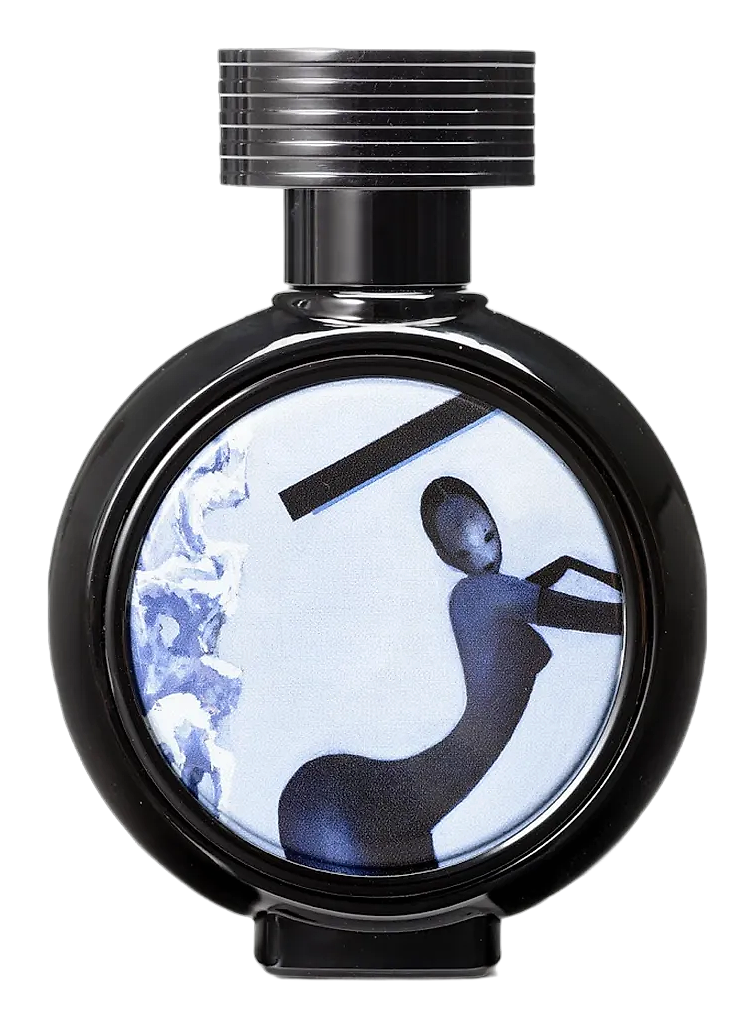
Indian Venus arrived in 2018 as part of HFC's Asian Collection, a numbered release in an ongoing body of work that treats fragrance as couture rather than commodity. The name alone signals its intent: not a European florals-and-citrus affair, but something with geographic weight. Benoit Bergia built the fragrance around a specific sensory proposition, an Indian garden, lush and tropical, caught in the amber warmth of dusk. Where many launch compositions hedge toward safety, Indian Venus leans into territory that demands a certain wearer's confidence. The jasmine cream of the heart and the smoked wood drydown aren't accident or afterthought. They're the point. The Asian Collection as a naming framework gives HFC permission to work with non-Western reference points, to draw from traditions of ingredient and sensation that sit outside the conventional French-italian perfumery canon. Indian Venus stakes that claim clearly.
What makes Indian Venus structurally unusual is the layering logic. Most fragrances run from bright to warm, citrus opening, heart in full bloom, base settling into something darker and heavier as time passes. Here, the sandalwood arrives early, almost immediately, lending the composition an almost creamy, woody weight that most white floral fragrances don't attempt until the drydown. The tuberose and orange blossom don't fight this lean toward warmth, they amplify it, adding a tropical lushness that keeps the woods from reading as austere or austere. The smoked wood element is the most distinctive technical decision in the composition. It's not campfire smoke, not the cold smoke of incense.
The evolution
The opening arrives without ceremony, orange blossom and tuberose in close formation, immediately joined by the sandalwood milk that gives the composition its signature texture. It doesn't announce itself so much as settle into the space it's given. The cream of the sandalwood softens the tuberose's sometimes aggressive bloom into something almost creamy. By the second hour, the smoked wood emerges, not as a dramatic reveal but as a slow darkening at the edges. Labdanum and cedarwood add a dry, resinous quality that keeps the sweetness from floating away. This is where Indian Venus separates itself from gentler floral-woody compositions: the smoke adds seriousness without adding sharpness. The drydown is where the brown sugar becomes legible, mixing with amberwood and musk into something warm and intimate. It lingers. On fabric especially, it holds for a full day, the sweet-woody-smoky trace that someone notices when you lean across a table. On skin, expect 8-10 hours with moderate sillage. Not a room-filler.
Cultural impact
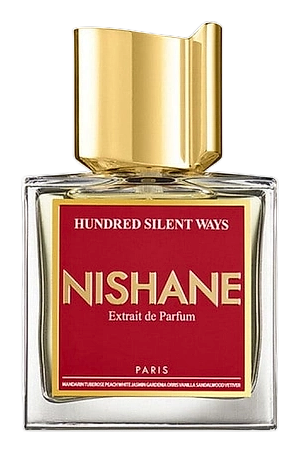
Indian Venus sits comfortably alongside creamy white florals like Armani Code Pour Femme and Nishane Hundred Silent Ways, though HFC's smoked wood drydown gives it a warmer, less polished finish than either comparison. The Asian Collection designation, Indian Venus among others, positions the fragrance within HFC's broader project of drawing sensory geography into fragrance composition. Where some houses use geographic names as marketing, HFC's approach suggests actual engagement with the materials and references those places imply.