
The Story
Why it exists.
The beginning
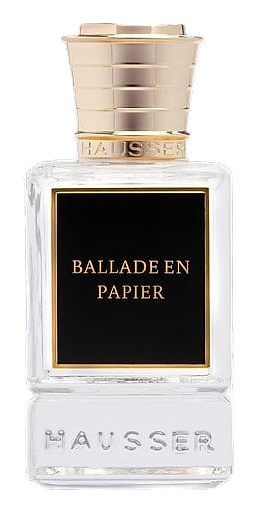
Ballade en Papier was born from a single sensory memory: the smell of a brand-new magazine, still warm from the press. Hausser's creative team, working from Indonesia within the Le Prèlude Collection, wanted to bottle that specific moment of anticipation, the ritual of flipping through pages before anyone else has touched them. Perfumer Moe Alkaf translated this into a fragrance that opens with that unmistakable paper note, then layers in spices, florals, and musk to give it weight and wearability. The concept is literary and tactile at once, a ballad in paper, literally.
What makes Ballade en Papier unusual is its structural logic. The defining note, new magazine, isn't a traditional fragrance material. Paper has no scent of its own; it only carries what's been printed on it. Alkaf had to build around that absence, using spices and florals to create the sensation of fresh ink, while musk and warm animalic undertones give the composition its longevity. The result is a fragrance that smells like something familiar, rendered strange.
The evolution
The opening arrives crisp and immediate, paper, yes, but also a slight sharpness that reads like ink-solvent, the chemical edge of fresh printing. Within minutes that sharpens into something warmer as the spices bloom, cardamom and black pepper lifting the composition away from pure novelty. The florals arrive next, soft and slightly powdery, threading through the heart and adding texture. By the third hour, the paper note has settled into the background and the musk takes over, close, warm, intimate. The drydown on fabric smells faintly of warm spice and old pages, the kind of scent that clings to a book you've been reading for days.
Cultural impact
Ballade en Papier arrives at a moment when niche perfumery is actively seeking alternatives to Western aesthetic norms. By anchoring its concept in the smell of a fresh magazine, a sensory artifact familiar to Indonesian readers, the fragrance reframes the niche perfume conversation around literary and cultural specificity rather than European tradition. This matters because it suggests that niche perfumery's next chapter may not be about more oud or more ambroxan, but about entirely new aromatic territories rooted in everyday sensory experiences. Hausser's approach positions fragrance as a vehicle for cultural memory, inviting wearers to reconsider how smells encode personal and collective histories.