The Story
Why it exists.
The beginning
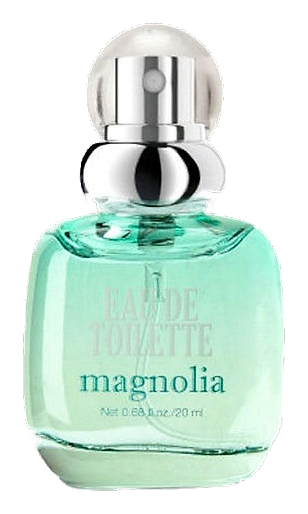
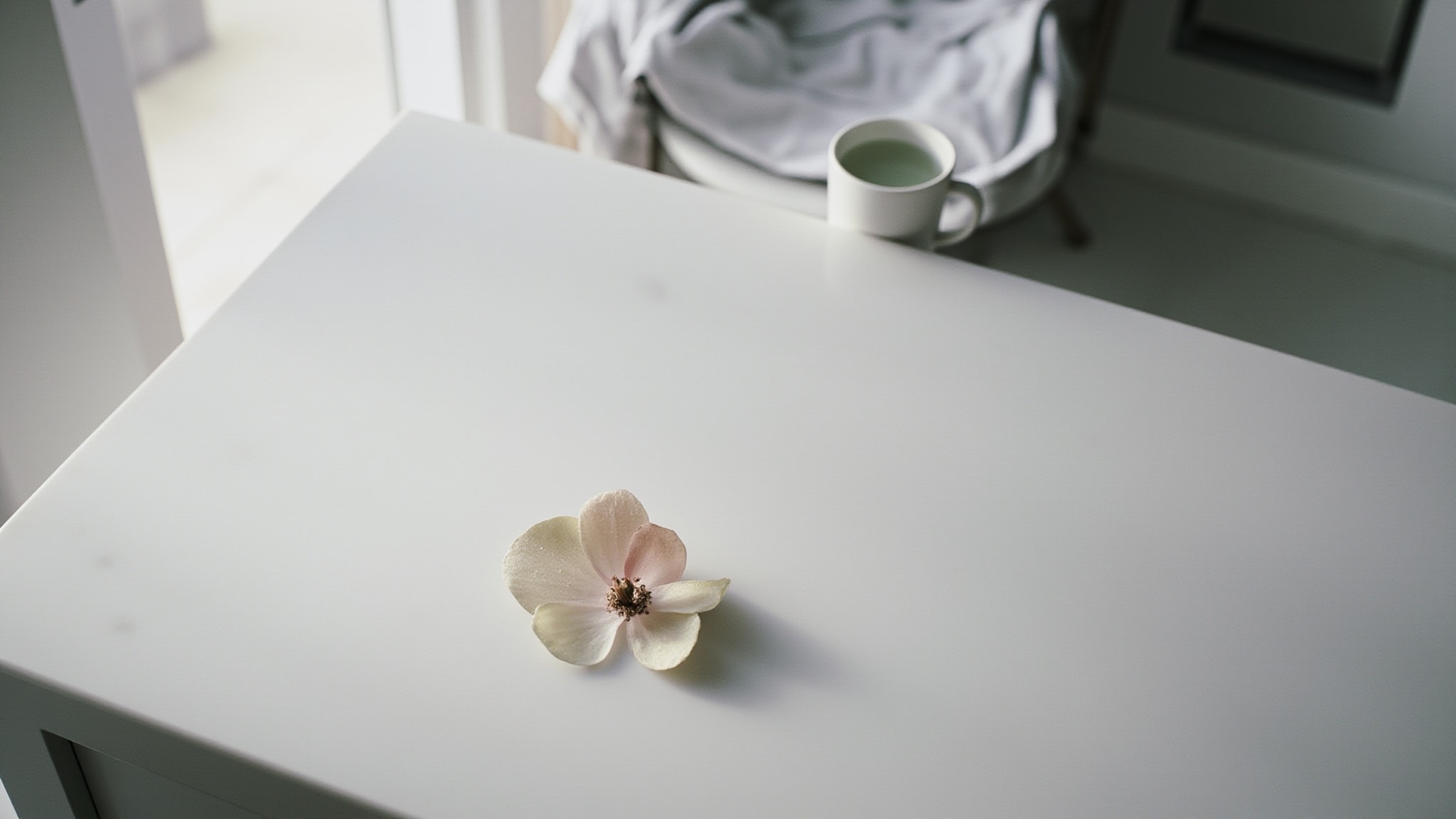
Magnolia by H&M is a single-flower study that treats restraint as the point. Where most florals build layers to impress, this one strips the scaffolding away. Magnolia, on its own, is asked to carry everything, and it does. The result is a composition that reads less like a constructed fragrance and more like a botanical pressed between two pages, still holding its color, still smelling like the hour it was picked. There is a patience to it. A willingness to let one bloom speak in full sentences rather than fragments. The composition doesn't argue for its own complexity because it doesn't need to. The flower is the architecture, the flower is the decoration, and the absence of competing voices is itself a kind of statement.
What makes Magnolia structurally unusual is its refusal to dilute the headline note. Most florals surround their star with supporting greens, citruses, or woods to give the bloom context, a frame around the painting. This one gives magnolia the floor and trusts it to fill the space. The powdery undertone does the quiet lifting, softening the edges of a flower that can read sharp in concentration, lending it a soft-focus warmth without ever steering it elsewhere. It is a deliberately narrow composition, and that narrowness is the entire design choice.
The evolution
The first spray lands cool. A wet, almost watery magnolia, the way the flower smells when you crush a fresh petal between your fingers, bright at the surface and translucent underneath. Nothing about it announces itself. The powdery dimension doesn't show up right away, or at least you don't notice it, because the magnolia is busy being magnolia. Then the hand-off happens quietly. The bloom softens. What was cool becomes warmer, taking on a denser character, like the inside of the flower rather than its outer edge. As the hours pass, the powdery accord rises to meet the bloom, lending it a softness that wasn't there at first spray, a blurred, almost sooty gentleness that wraps the magnolia rather than competing with it. By the later hours the composition has gone fully quiet, a pale floral and powder that sits close to the skin like something remembered.
Cultural impact
Magnolia belongs to a category of single-flower fragrances that gained traction through the 2010s, when minimalism in scent became its own design language. The idea was simple: instead of building elaborate pyramids with a dozen supporting notes, let one bloom carry the entire composition and trust the wearer to find the depth in that simplicity. Within that movement, Magnolia functions as a clean example of the approach, a fragrance that doesn't decorate its star note with citruses, woods, or fruits but lets the flower stand in its own light.