
The Story
Why it exists.
The beginning
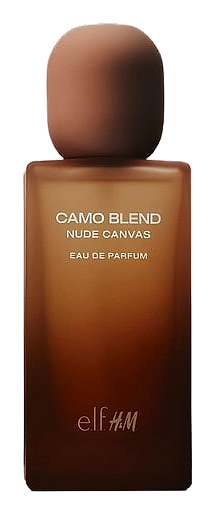
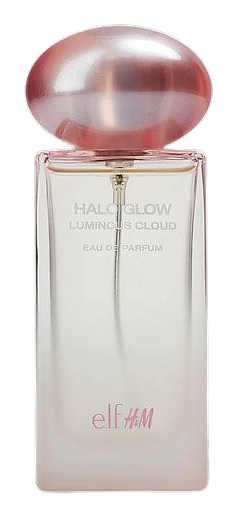
Halo Glow Luminous Cloud arrived in 2026 as part of a limited H&M and e.l.f. Cosmetics collaboration, the first partnership of its kind for both brands. The brief was simple: translate the energy of three iconic e.l.f. products into scent. Marine Mercé built this one around magnolia, vanilla, and amber, a luminous trifecta that captures the glow-without-effort aesthetic both brands traffic in. It's vegan, it's limited, and it smells like the idea of sweetness itself.
What makes this composition interesting isn't any single material, it's how the lactonic coconut holds everything together. Coconut in fragrance can skew sharp or sunscreen-linear. Here, it behaves like a bridge: catching the brown sugar opening on one side and the praline drydown on the other, giving the middle hours a creamy continuity that doesn't just smell nice, it smells like something cohesive, like the formula was actually considered. Magnolia adds air without frailty. The sandalwood in the base prevents it from floating away entirely.
The evolution
The opening announces itself quickly, mandarin zest, brown sugar dissolving into magnolia's cream. Thirty minutes in, the coconut-vanilla heart takes full possession. This is the phase that earns the name: soft, warm, drifting. White flowers appear as texture rather than taking center stage, adding bloom without adding weight. By hour three, the sandalwood and amber arrive to anchor what would otherwise float indefinitely. The praline note lingers closest to skin, the thing you'll smell on your wrist the next morning, faint and sweet and reluctant to leave.
Cultural impact
The 2026 launch marks a milestone as H&M extends its affordable fragrance reach into the beauty-cosmetics crossover territory. H&M fragrance has long served as an entry point into scent culture, democratizing perfume for consumers who might otherwise skip luxury entirely. The collaboration with e.l.f. Cosmetics signals a new chapter: mass-market beauty brands now seek legitimacy through fashion partnerships, and fashion retailers borrow beauty credibility. This creates a feedback loop where fragrance becomes a gateway product, introducing new customers to both brands. The timing matters too. In 2026, consumers increasingly seek accessible luxury and visible brand collaborations. H&M and e.l.f.
The House
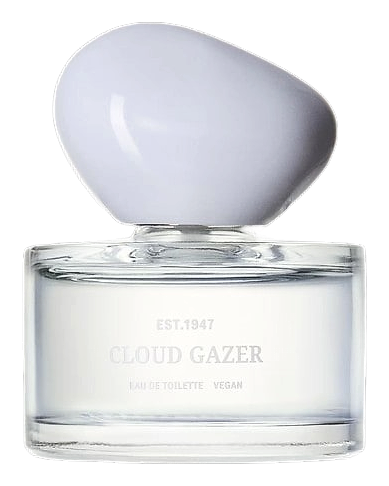
H&MH&M is a Swedish retailer that translates its fast‑fashion DNA into a line of affordable scents. Since 2012 the brand has offered more than two dozen fragrances, each positioned as a seasonal accessory that mirrors its clothing collections. The portfolio includes stand‑outs such as Deep Red Velvet (2012), Peony (2013), Coconut & Vanilla, and the recent Cloud Gazer (2025). By partnering with established perfume houses, H&M brings recognizable notes and contemporary compositions to a broad audience without the typical boutique price tag. The result is a fragrance shelf that feels like an extension of the store’s colour‑driven, trend‑responsive ethos.
The Creator
Marine MercéMarine favors a hands‑on laboratory, mixing in small glass vials to feel each ingredient’s texture. She leans on marine notes—calone, seaweed absolute, and salty accord crystals—to anchor her creations in a crisp, watery foundation.