The Story
Why it exists.
The beginning
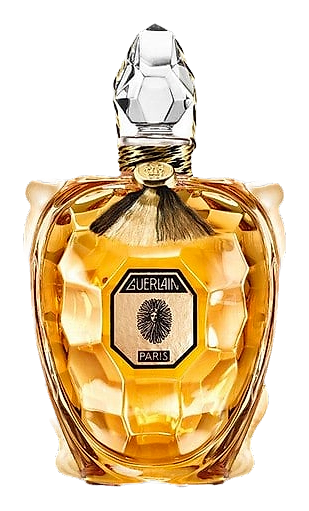
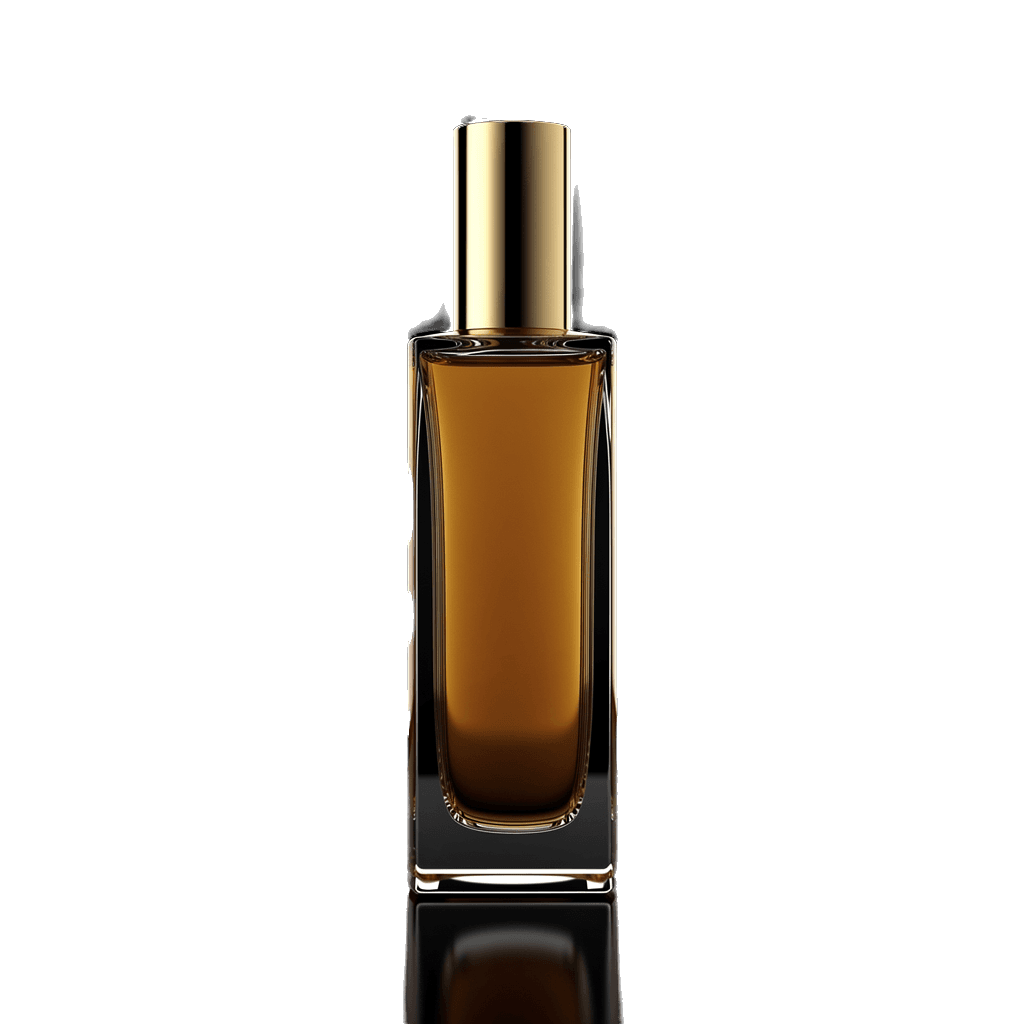
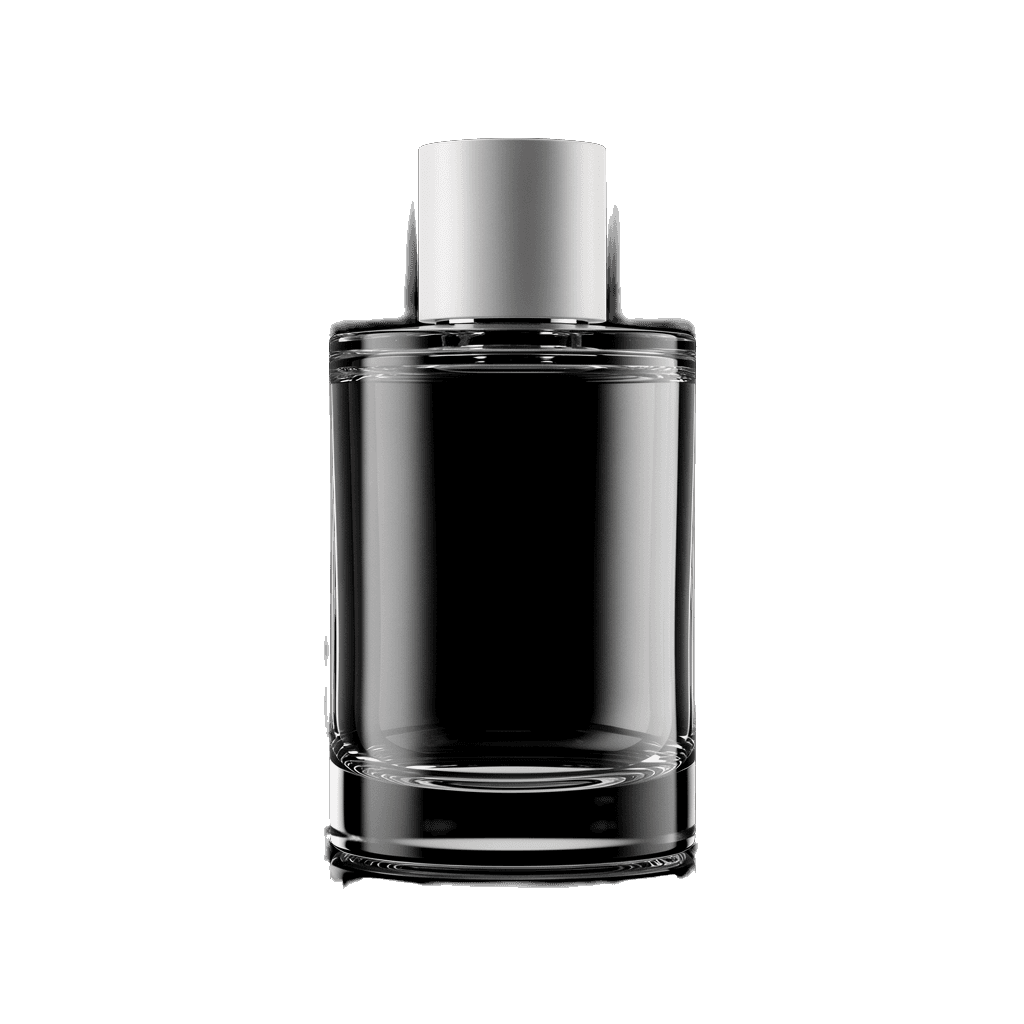
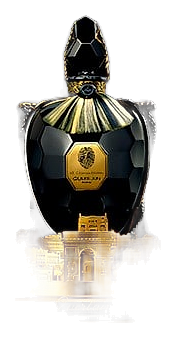
In 2013, Guerlain reopened its flagship at 68 Avenue des Champs-Élysées, a distinguished Parisian address where the house has long shaped its most iconic creations. To mark the occasion, house perfumer Thierry Wasser created this Extrait as a living souvenir: a fragrance that carries the weight of the address itself. Only 30 pieces were produced. Each one poured into a black Baccarat crystal flacon shaped from a century-old mold, sealed under a glass dome and placed for display at the boutique. The name followed: Le Passeur du Temps, the Time Ferryman, the one who carries what matters across. On the skin, the opening unfurls with a shimmering bergamot brightness that gives way quickly to a rich floral heart where Bulgarian rose absolute mingles with jasmine sambac.
What makes this composition unusual is its structural honesty. The pyramid is spare, spices at the top, immortelle at the heart, then benzoin, incense, and tonka bean anchoring everything below. No excess. No padding. But that restraint is exactly what makes it work: the spices arrive without apology, the immortelle doesn't compete with them, and the base holds like a room you've been sitting in for hours. Immortelle, the everlasting flower that never fades once dried, is the thematic center. It refuses to disappear, which is the entire point of the fragrance. Thierry Wasser designed it as a play on contrasts: hot and cold, spice and resin, the immediate and the permanent.
The evolution
The opening announces itself in seconds, a warm spice wave that doesn't build, it simply arrives. You smell it and you're already in it. That phase lasts maybe forty-five minutes before the floral heart begins to show through the cracks: immortelle's herbal, almost hay-like sweetness, tinged with something that recalls marigold and honey. It's quieter but not soft, it holds its ground. The drydown is where this Extrait earns its concentration. Benzoin thickens first, bringing its balsamic weight, then the incense emerges, not smoky exactly, but warm and resinous, the kind of smell that clings to fabric and skin. Tonka bean smooths everything into a sweet-but-not-foody warmth that lingers for hours after the initial projection fades. On fabric, the benzoin-incense accord can be detected the next morning. That's the Passeur du Temps doing its job.
Cultural impact
Limited to 30 pieces, presented in a black Baccarat crystal flacon at the Guerlain boutique on Champs-Élysées, this Extrait became a collector's objet before it became a fragrance. The scent opens on the skin with a crisp, luminous citrus accord that quickly yields to an opulent floral heart where rose and jasmine interweave in rich, velvety layers. Over time, the fragrance settles into a warm, enveloping base of precious woods and soft resins, the kind of dry-down that rewards patience and invites the wearer to discover new facets with each wearing.
The House
GuerlainGuerlain stands as one of the oldest and most revered perfume houses in the world, founded in Paris in 1828 by Pierre-François-Pascal Guerlain. What began as a boutique on rue de Rivoli quickly became the preferred destination for Parisian society, attracting dandies and elegant women who sought custom-crafted fragrances. The house's influence grew to such heights that Guerlain earned the title of Official Perfumer to Napoleon III after presenting Eau de Cologne Impériale to Empress Eugénie as a wedding gift in 1853. This royal patronage marked the beginning of Guerlain's enduring association with European aristocracy, as the house went on to create fragrances for Queen Victoria and Queen Isabella II of Spain. Today, under the creative direction of Thierry Wasser, the fifth-generation perfumer, Guerlain continues to shape the landscape of fine fragrance with a portfolio spanning over 1,100 olfactory creations. The house remains headquartered at its legendary Champs-Élysées mansion, a historic monument that anchors Guerlain's position at the intersection of heritage and contemporary luxury.
The Creator
Thierry WasserWasser gravitates toward green, crispy notes and the bold florals Guerlain is known for. Bulgarian rose appears repeatedly in his work, and he travels annually to oversee the harvest in Kazanlak.