
The Story
Why it exists.
The beginning
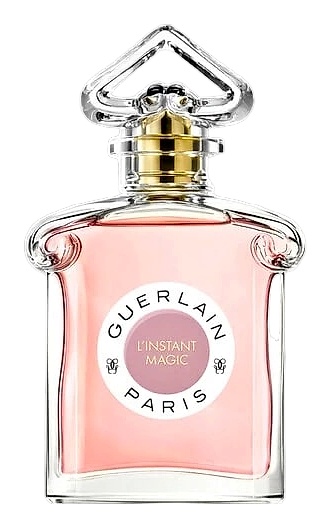
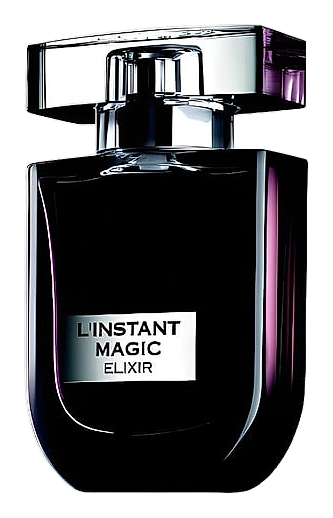
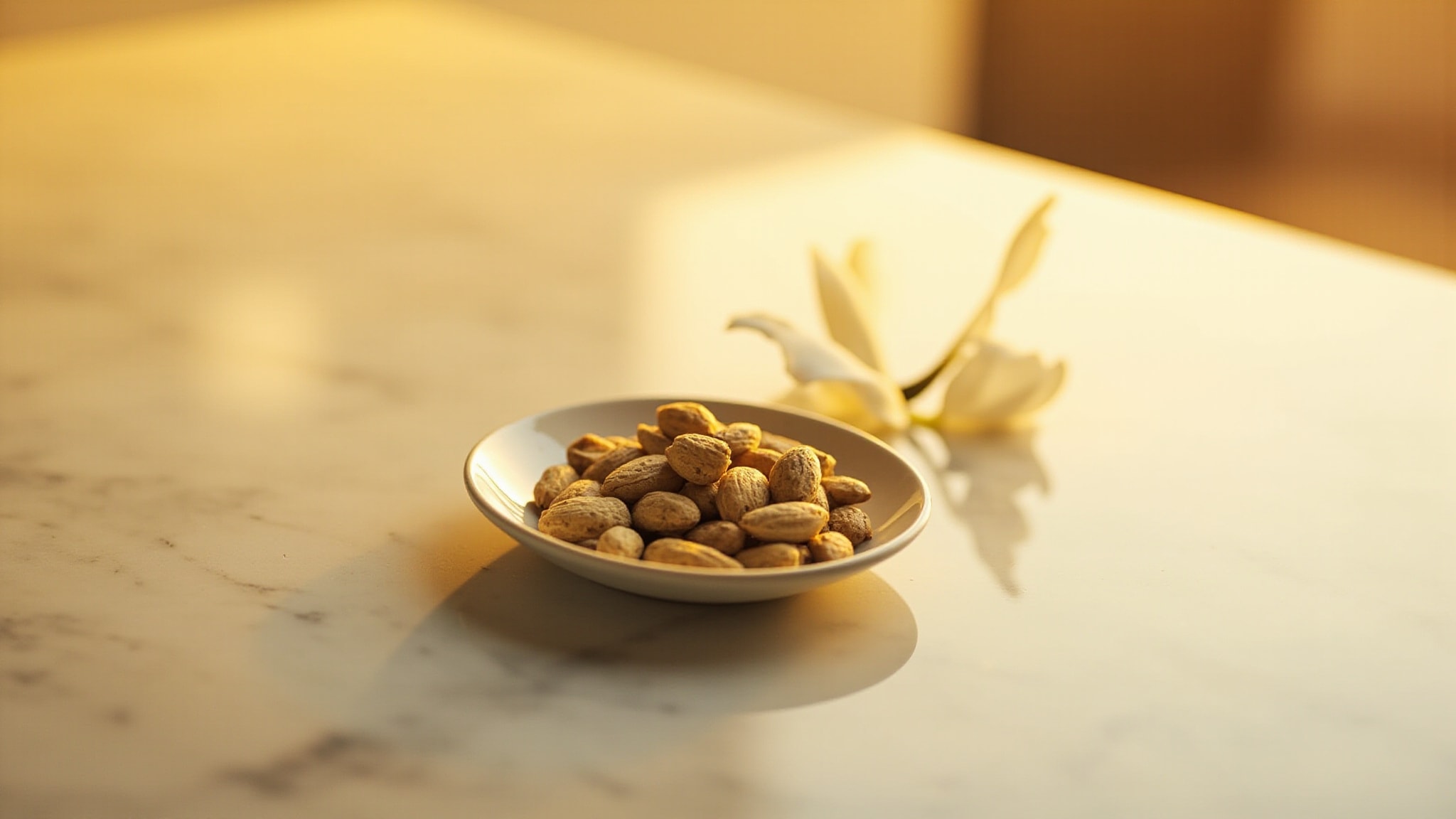
L'Instant Magic Elixir arrived in 2009 as the concentrated final chapter of Guerlain's L'Instant Magic collection. Perfumer Christophe Raynaud developed it with a particular vision in mind. The collection already had an eau de parfum and perfume extract. The elixir was designed as an additional interpretation. White musk at the base, bitter almond and Tahitian vanilla at the heart, orchids completing the picture. It was designed to offer a different kind of presence, one that rewards close attention rather than announcing itself from across a room.
The interesting move here is the orchid. In perfumery, orchid rarely reads as a direct floral note, it tends toward the atmospheric, almost powdery, a subtle presence rather than a statement. That's exactly what happens in L'Instant Magic Elixir. It gives the fragrance its signature: there but not obvious. Combined with the bitter almond's marzipan quality and Tahitian vanilla's warm creaminess, you get a lactonic composition, soft, rounded, almost edible without being sweet. The vanilla isn't gourmand in the dessert sense. It's warm, resinous, slightly woody.
The evolution
The bitter almond opens sharp, marzipan without the sugar rush. Within minutes, Tahitian vanilla takes over, wrapping everything in warmth. The orchid emerges quietly, not as a floral burst but as that Guerlain signature: present without being obvious. What strikes most wearers is the musk, it doesn't project outward. It holds the fragrance close, creating that second-skin effect. The drydown is where this fragrance earns its name. The vanilla and musk blend into something that smells like warm skin, your skin, but better. The almond fades but doesn't disappear. On clothing, it transforms entirely, becoming warmer and more enveloping, lasting well beyond when it fades on skin.
Cultural impact
L'Instant Magic Elixir occupies a specific space in the Guerlain lineup, distinct from the house's more declarative creations. It represents a particular approach to luxury: one that works through suggestion rather than assertion. The fragrance appeals to those who appreciate Guerlain's classical elegance but seek something more nuanced than the house's iconic scents. Wearers find it registers in intimate moments, close conversations, quiet dinners, the kind of attention that feels earned rather than demanded.
The House
GuerlainGuerlain stands as one of the oldest and most revered perfume houses in the world, founded in Paris in 1828 by Pierre-François-Pascal Guerlain. What began as a boutique on rue de Rivoli quickly became the preferred destination for Parisian society, attracting dandies and elegant women who sought custom-crafted fragrances. The house's influence grew to such heights that Guerlain earned the title of Official Perfumer to Napoleon III after presenting Eau de Cologne Impériale to Empress Eugénie as a wedding gift in 1853. This royal patronage marked the beginning of Guerlain's enduring association with European aristocracy, as the house went on to create fragrances for Queen Victoria and Queen Isabella II of Spain. Today, under the creative direction of Thierry Wasser, the fifth-generation perfumer, Guerlain continues to shape the landscape of fine fragrance with a portfolio spanning over 1,100 olfactory creations. The house remains headquartered at its legendary Champs-Élysées mansion, a historic monument that anchors Guerlain's position at the intersection of heritage and contemporary luxury.
The Creator
Christophe RaynaudWhile it's difficult to pinpoint a single defining characteristic across all of Raynaud's creations, there's often a sense of balance and sophistication. He's not necessarily known for overly avant-garde or challenging compositions; instead, he seems to favor well-structured f…