The Story
Why it exists.
The beginning
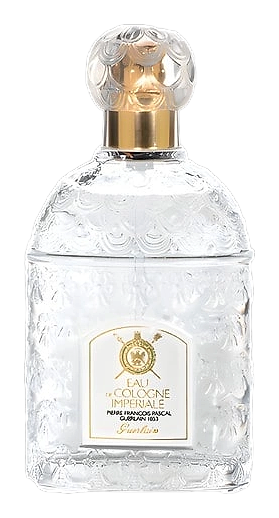
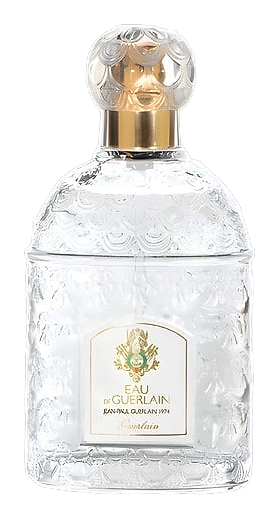
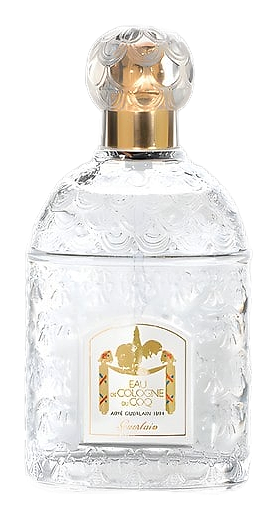
Thierry Wasser didn't invent Guerlain's cologne tradition. He inherited it. Every generation of Guerlain perfumers has added their own to the lineage, Eau de Cologne Impériale in 1853, Eau du Coq, Eau de Guerlain. Cologne du Parfumeur, released in 2010, is Wasser's chapter. He reached for the house's heritage and asked: what does a classic cologne look like in the 21st century? The answer sits in the orange blossom. Sweet enough to be Guerlain, green enough to be now.
Orange blossom is a tricky material. Too much sweetness and it becomes bridal. Too little and you lose the signature entirely. Wasser's solution is the green quality, the crisp, almost herbaceous edge that keeps the sweetness honest. Around that core, he builds with lemon and bergamot for brightness, rosemary and lavender for structure, mint for lift. The white musk in the base is the quiet decision: no wood, no amber, no heavy anchor. Just skin that smells like it was always clean.
The evolution
The opening arrives sharp and immediate. Lemon peel, a burst of citrus, the herbal cool of rosemary cutting through. Ten minutes in, the orange blossom takes over, but it doesn't overwhelm. The green quality keeps it from being precious. By the middle hour, the composition has settled into something warmer. The white musk shows up last, as it should. This is where most colognes fail: the fade. Cologne du Parfumeurs doesn't fade so much as soften. It becomes a skin scent, intimate and close, lasting three to four hours on most. That's not longevity by modern standards, but it's not trying to be. It's trying to be right.
Cultural impact
Part of the Les Colognes collection, Cologne du Parfumeur occupies a specific corner of the Guerlain catalog, the house's ongoing conversation with its own cologne tradition. Wearers consistently describe it as the Guerlain for people who don't normally wear Guerlain: lighter, cleaner, less demanding. It's not trying to compete with the house's orientals or florals. It's trying to be the one you reach for on a warm morning when you want to smell like you, but better.
The House
GuerlainGuerlain stands as one of the oldest and most revered perfume houses in the world, founded in Paris in 1828 by Pierre-François-Pascal Guerlain. What began as a boutique on rue de Rivoli quickly became the preferred destination for Parisian society, attracting dandies and elegant women who sought custom-crafted fragrances. The house's influence grew to such heights that Guerlain earned the title of Official Perfumer to Napoleon III after presenting Eau de Cologne Impériale to Empress Eugénie as a wedding gift in 1853. This royal patronage marked the beginning of Guerlain's enduring association with European aristocracy, as the house went on to create fragrances for Queen Victoria and Queen Isabella II of Spain. Today, under the creative direction of Thierry Wasser, the fifth-generation perfumer, Guerlain continues to shape the landscape of fine fragrance with a portfolio spanning over 1,100 olfactory creations. The house remains headquartered at its legendary Champs-Élysées mansion, a historic monument that anchors Guerlain's position at the intersection of heritage and contemporary luxury.
The Creator
Thierry WasserWasser gravitates toward green, crispy notes and the bold florals Guerlain is known for. Bulgarian rose appears repeatedly in his work, and he travels annually to oversee the harvest in Kazanlak.