The Story
Why it exists.
The beginning
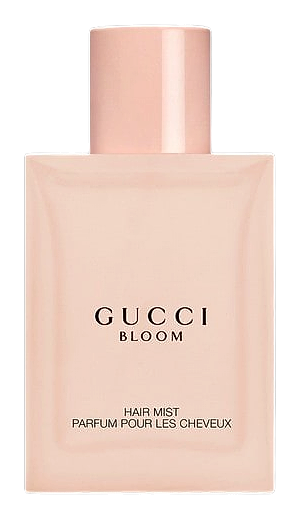
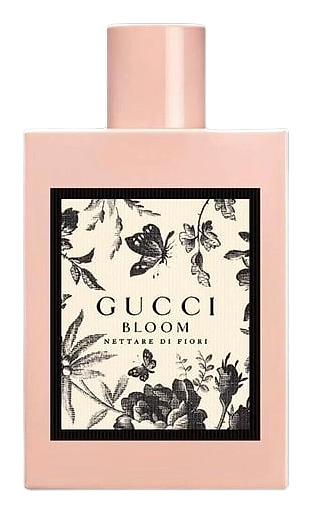
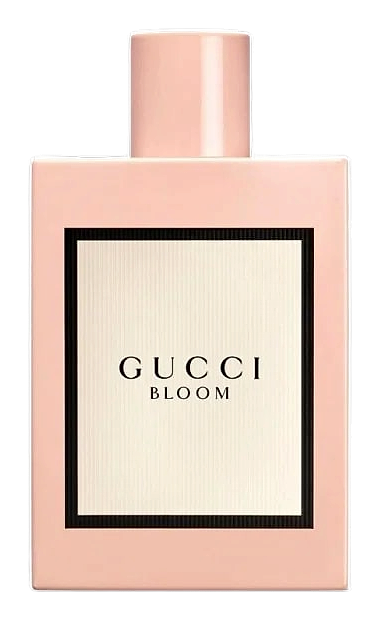
Gucci Bloom arrived in 2017, crafted under Alessandro Michele's creative direction, and he treated fragrance as another canvas for his vision of femininity. The composition was developed in collaboration with master perfumer Alberto Morillas, and Michele wanted a scent that reflected a romantic mood. He described the inspiration as a vast garden filled with many flowers and plants in bloom, a walk through a lush and crowded botanical space rather than a single specimen. The juice was designed to capture that feeling of being surrounded by petals, leaves, and stems all releasing their scent at once. The bottle was designed to match the aesthetic: a linear shape with a lacquered surface in the pale pink color of porcelain, with the powdery finish reminiscent of a vintage box of face powder.
The name Bloom was deliberately abstract, refusing to be tied to a single flower or a single woman. Michele and the Gucci team positioned the fragrance as a celebration of female identity in all its phases, drawing on cast members of varied ages, backgrounds, and looks for the campaign imagery rather than a single model. The campaign imagery showed a diverse group of women posing together, surrounded by flowers, each one distinct in age, ethnicity, and style.
The evolution
Since its 2017 launch, Gucci Bloom has expanded into a full family of flankers, each tweaking the original formula for a different mood. Bloom Eau de Parfum remains the core, built around a creamy heart of rangoon creeper, jasmine, and tuberose, all resting on a soft musk base. The jasmine in the original is a creamy, almost whipped variety, and the tuberose lends a milky, coconut-like richness without ever tipping into the heavy, indolic territory that gives white florals a reputation for being difficult. The musk underneath is sheer and skin-like, a quiet bed that lets the flowers float rather than anchoring them with anything woody or harsh. Over time, the bottle has stayed consistent, a clean architectural shape that looks at home beside heavier Gucci flacons, and the powder pink lacquer has become a recognizable signature on vanities around the world.
Cultural impact
Gucci Bloom arrived in 2017 as a statement of intent from a house that wanted to put its own stamp on white florals. It was a fragrance that asked to be worn by women who had shied away from tuberose in the past, and it offered a softer, more approachable version of that classic flower without stripping away its character. The juice itself became a talking point because it managed to feel modern and creamy without borrowing from the clean-skin or gourmand trends that had dominated the years just before its launch.