The Story
Why it exists.
The beginning
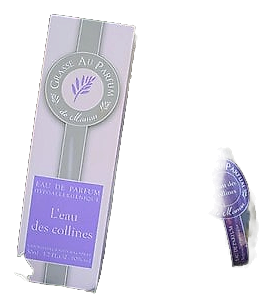
L'Eau des Collines takes its name from the hills surrounding Grasse. The composition doesn't reach for the obvious florals associated with the region. Instead, it turns toward the landscape in a different way, drawing inspiration from the terrain itself. The name invites you to explore the hills differently, to experience them through scent rather than sight. The fragrance captures the essence of the hillsides with notes that evoke the natural character of the landscape, creating an olfactory experience that reflects the terrain from which it takes its name.
What makes this composition work is the unexpected dialogue between patchouli and red berries. Patchouli is typically a base material, earthy, deep, the kind of note that arrives late and stays quiet. Here it opens the fragrance, which means the composition builds downward instead of upward. Red berries add brightness, a tartness that cuts through patchouli's natural heaviness and gives the top a lift it shouldn't have. That contrast, patchouli's grounded depth against the berries' sudden sweetness, is the thing that makes this fragrance worth noticing. The praline and cacao in the heart lean fully gourmand, but they're not cloying.
The evolution
The red berries hit first, a quick, bright burst that feels almost like a question. How did something this tart get into a composition that ends in vanilla? The answer comes fast: patchouli pushes through, not earthy in the way you'd expect, but softened by the berries' juice until it reads as warm rather than dirty. Then the praline and cacao arrive. This is where the fragrance settles into itself. The praline is sweet in the way warm milk is sweet, not aggressive, just present. The cacao adds a faint bitterness, like the edge of a chocolate bar melted into cream. Neither fights for attention. Together they build something that smells like it belongs to a cold-weather kitchen. The drydown is where this fragrance earns its name.
Cultural impact
L'Eau des Collines carries a name that promises something pastoral and warm. The patchouli in the opening gives the fragrance an edge. The praline in the heart adds warmth. Together they make something that feels both confident and cozy. The combination of woody patchouli and sweet praline creates a fragrance that balances different elements without favoring one over the other. The name references the hills, and the scent seems to honor that inspiration with its blend of earthiness and sweetness.