The Story
Why it exists.
The beginning
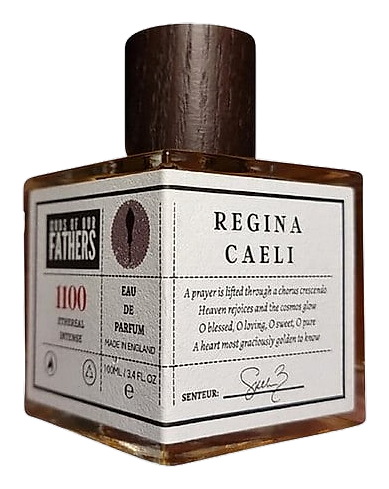
Regina Caeli wears its Latin name without explaining itself, and the composition does something similar: it trusts you to notice what it does and doesn't say. There's no overture of smoke, no resinous darkness lurking beneath the surface to perform weight or gravitas. What you get instead is a fragrance that builds a devotional atmosphere out of softer materials, petals and warm spice and a generosity of cream, and dares to treat those materials as load-bearing rather than decorative. It's the kind of scent that makes you reconsider what a sacred space can smell like when you strip away the expected trappings. Hushed doesn't mean hollow. Light doesn't mean slight.
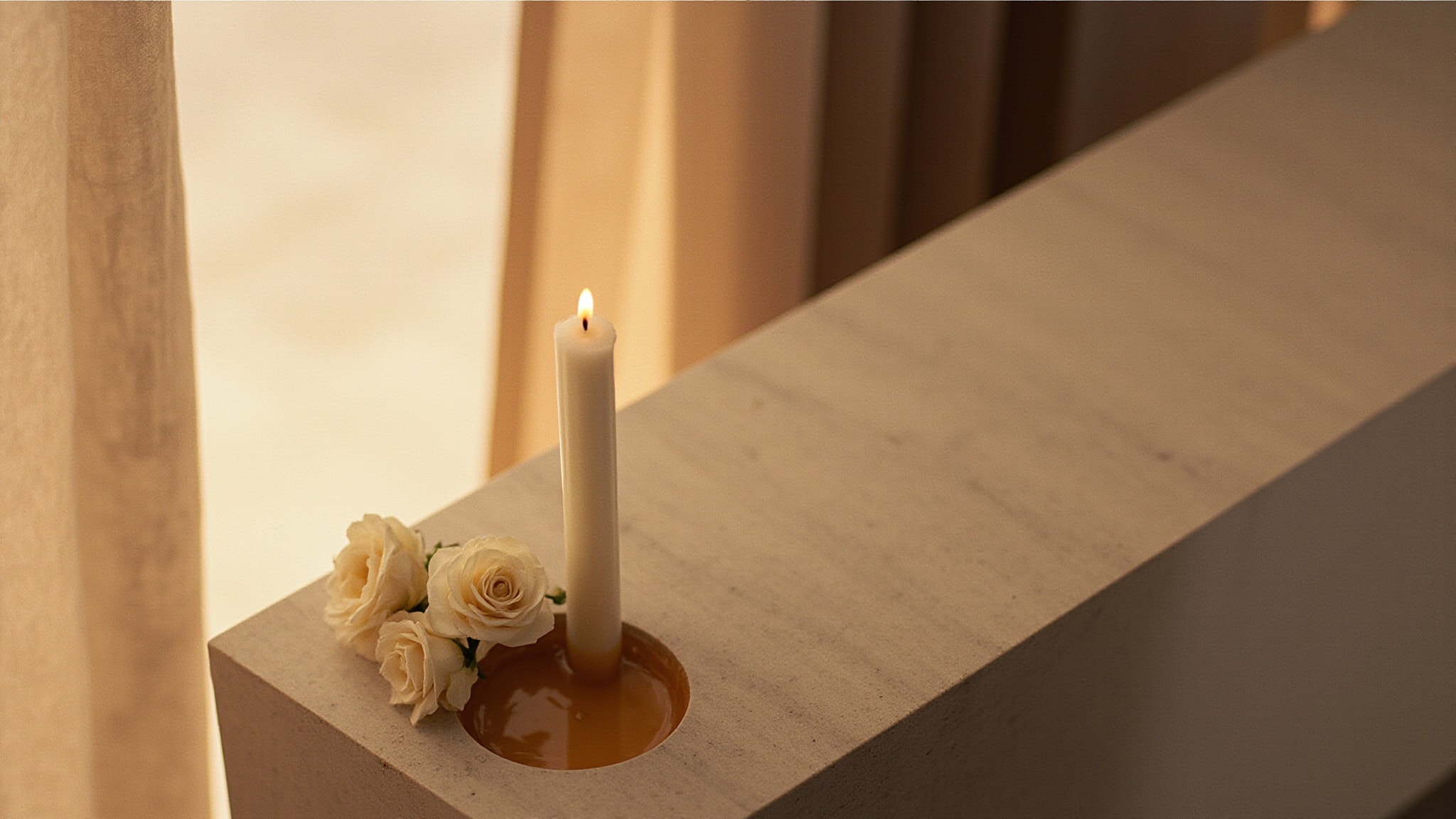
What makes Regina Caeli worth pausing on is the way it handles heat. Where other compositions in the warm-spice family bury their warmth under dense base materials, this one lets the spice itself become architecture. Cream steps in where wood might have, offering ballast and softness without tipping into sweetness or weight. The effect is something that reads closer to a lit candle in a still room than it does to a cathedral thick with centuries of accumulated smoke.
The evolution
The opening pulls you in with warmth that has an edge to it, a dry prickliness that registers before the comfort does. There's sweetness underneath but it takes its time surfacing, and the florals arrive without ever seizing control, pushing gently through the spice the way colored light pushes through a stained window, present and mediated rather than direct. As the hours pass, the sharper facets of the spice begin to wear down and the texture shifts. What emerges is less a list of identifiable notes and more a feeling: warm, slightly sweet, almost ecclesiastical in its hush, the sort of smell that lingers in the air long after the obvious notes have receded. By morning the drydown has settled into something quieter and more intimate, a skin-level warmth with just a thread of the opening spice still threaded through it, softer now, closer to a hum than a statement.
Cultural impact
Regina Caeli finds its audience among wearers who want their spice to feel contemplative rather than theatrical, wrapped in warmth without gothic posturing. The fragrance leans close to the skin and rewards attention over projection, drawing people who care more about presence than broadcast. It occupies an interesting corner of the niche conversation: still firmly independent in its sensibility, still coded in its restraint, but gentler in its opening than much of the incense-and-resin work that surrounds it.