
The Story
Why it exists.
The beginning
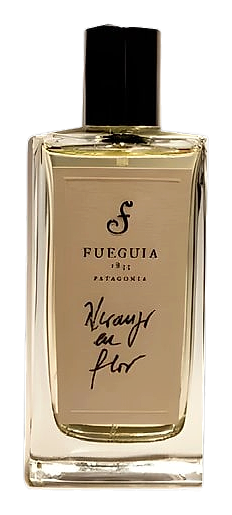
Julian Bedel has spent years treating fragrance as field notes. But Naranjo en Flor reads differently, it's less expedition log, more quiet observation. The name means 'orange tree in bloom,' a direct translation that sets expectations honestly. The composition pairs neroli and orange in the opening, building from there into mimosa and petitgrain. These four materials create a citrus floral that behaves like a memory rather than a statement, something that lingers in the air and in the mind long after application. There's no elaborate mythology attached to the scent, no attempt to position it as a landmark work. It simply exists as an exercise in restraint, a fragrance that trusts its materials to speak without amplification.
The Armonías collection frames these fragrances around unique accords, and Naranjo en Flor's is the tension between bright opening notes and warm floral weight. Neroli and orange give the opening its snap, that clean, almost bitter cut that can easily become jarring in lesser hands. Here, the mimosa catches it mid-descent. Yellow and powdery, it doesn't compete with the citrus. It steadies it, softening the edges while maintaining the brightness above. Petitgrain is the anchor throughout: green, slightly bitter, faintly woody.
The evolution
The first minutes are all sharp blossom. Orange oil hits first, bright, almost astringent, with the bitter edge still attached. Neroli follows within seconds, smoothing the orange into something rounder, more floral. The citrus doesn't last long. Within ten minutes, the mimosa takes over, powdery, warm, slightly sweet, like dried flower petals left in sunlight. Petitgrain lingers underneath throughout, a green thread that prevents the heart from going too soft. As the hours pass, the citrus and floral elements continue their gradual retreat, leaving behind a quiet residue on warm skin. What remains is the ghost of blossom, faint and intimate, dissolving before you quite expect it to.
Cultural impact
Naranjo en Flor represents a particular approach to fragrance composition that values clarity and intention over complexity and accumulation. Fueguia 1833, founded by Julian Bedel in Buenos Aires, has staked out a distinctive position in the niche perfumery landscape, one that emphasizes Argentine botanical heritage and a disciplined approach to material selection. The fragrance itself relies on a strict four-note architecture, which forces a kind of honesty onto the composition that more elaborate scents sometimes avoid.