
The Story
Why it exists.
The beginning
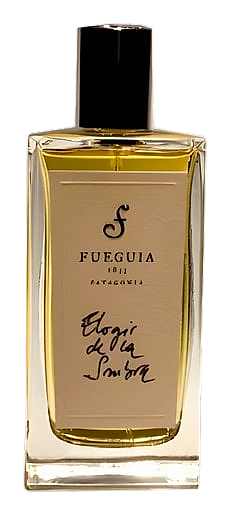
Elogio de la Sombra is Fueguia 1833's homage to Jorge Luis Borges, the Literatura collection where the house turns writers into wearable ideas. Bedel's brief was simple: translate the essay "Elogio de la Sombra" into scent. That 1969 Borges text doesn't mourn darkness. It finds in shadow the space where thought actually happens. The fragrance had to embody that same economy, the right amount of nothing.
Three notes. That's the entire pyramid, iris, bergamot, mimosa, arranged unconventionally enough to feel intentional. Bergamot sits in the heart, not the top. Iris opens and closes. The mimosa is the sun through the window. This sparsity isn't a limitation; it's the point. Borges wrote short stories that contained infinities. Bedel made a fragrance with three materials that says more than most collections. The yellow-floral warmth of mimosa here isn't the headshop variety, it's quiet, powdery, the color of old paper.
The evolution
The iris opens. Powdery, yes, but cleaner than expected, more mineral than violet-powder, less lipstick. No rush. It holds its position for the first hour, letting you adjust. Then bergamot slides in, subtle, citrus without sharpness, a breath of something cooler arriving mid-thought. The drydown is mimosa, warm and close to skin, yellow-floral without the honey. It doesn't project. It stays. Eight to ten hours on most skin, intimate sillage, the kind of fragrance you catch yourself on your wrist and feel pleased.
Cultural impact
Elogio de la Sombra sits apart from the usual iris playbook. Where Chanel went grand, and many houses went gourmand, this stays literary, powdery in the cerebral sense, warm in the quiet sense. The fragrance doesn't perform. It rewards attention. For a certain kind of wearer, the one who chose Borges before they chose a signature scent, that's exactly the point.