The Story
Why it exists.
The beginning
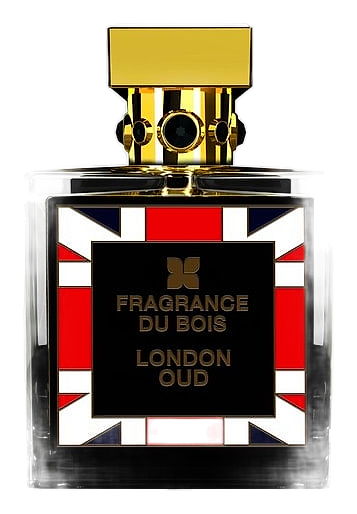
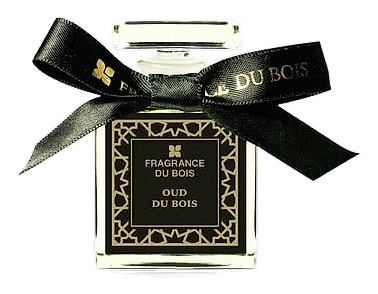
Shadi Samra built Oud du Bois as a study in contrast. The opening is blackberry and saffron, tart, bright, almost startling in their energy. Then the warmth arrives. Cambodian oud, dense and resinous, followed by Indian. Sandalwood settles beneath. The name says the rest. This is the oud of the wood, deep, warm, resinous, built to last. Released in 2020.
What makes this composition unusual is the pairing. Two oud oils, Cambodian and Indian, in one fragrance. They don't double down on intensity. They broaden it. Cambodian oud brings a cooler, slightly medicinal resinousness. Indian oud brings the animal warmth, the depth that lingers close to skin. Separately, each is a statement. Together, they're a conversation between two origins of the same material. The saffron-blackberry top is the bridge, bright and fruity, pulling the composition into something approachable before the oud deepens everything.
The evolution
The blackberry opens sharp. Almost jammy. Saffron cuts through with a metallic spice that makes the fruit feel alive, this part lasts about thirty minutes before the citrus notes fade and the heart takes over. The heart is Cambodian oud, and it announces itself fully. Resinous. Warm. The kind of depth that pulls you closer. By the second hour, the Indian oud arrives, slower, darker, animal in a way the Cambodian isn't. Sandalwood and cedar root the composition. Amber adds a sweetness that keeps the whole thing from becoming heavy. The drydown is what people wear this for. Six to eight hours of warm wood and soft musk, projecting moderately, staying close to skin. On clothes, it lasts until the next day.
Cultural impact
Oud du Bois and the Fragrance Du Bois house represent a broader cultural shift in how Western niche perfumery engages with Middle Eastern fragrance traditions. Oud, historically tied to Arabian perfumery and sacred use, has undergone significant reimagining in contemporary luxury markets. The brand's commitment to sustainably sourced oud reflects growing consumer demand for ethical luxury goods with traceable origins. Dual-oud constructions like this one bridge cultural aesthetics, taking the deep, resinous qualities prized in traditional oud blends and presenting them through a modern European lens. The 2020 release period also reflects a market maturation where niche houses compete on material quality and ethical sourcing rather than just novelty.