The Story
Why it exists.
The beginning
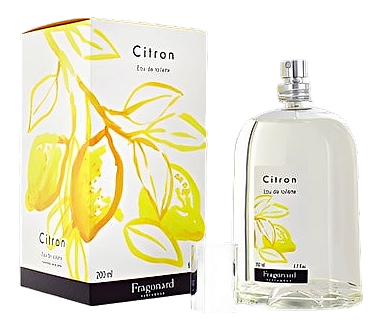
Fragonard's Les Naturelles Citron takes its name from the French word for citrus fruit, also known as cedrat. The fragrance was created in 2005 as part of the house's Naturelles collection, built around the premise of simple, straightforward compositions without elaborate narratives attached. No origin story rooted in distant shores. Just the fruit, presented clearly.
What makes this composition interesting isn't complexity but discipline. The aldehydic quality threading through adds a certain vintage crispness that elevates it above standard citrus cologne. Amalfi lemon, citron, and verbena work as variations on a single theme rather than competing layers. It's a study in restraint from a house that could have done more. User reviews confirm this approach, with most finding the sillage intimate and the longevity ranging from weak to moderate. The result is a brief, clean experience that stays close to the skin.
The evolution
The opening hits immediately. Sharp, bright citrus that commands attention without asking for it. Within the first hour, the sharpness softens. The lemon verbena emerges, bringing that distinctive herbal quality that separates this from lemon water. By hour two, it becomes intimate. Close to the skin, almost a whisper. The drydown is brief, clean skin with a ghost of citrus, nothing more. Most find the longevity ranges from weak to moderate, with sillage that stays intimate rather than projecting. It doesn't transform. It arrives and then slowly disappears.
Cultural impact
Apparently discontinued, Les Naturelles Citron occupies a particular corner of fragrance culture for those who want citrus without complication. Its aldehydic citrus profile places it among compositions that value clarity over projection. User reviews consistently note its intimate sillage and short-lived presence, describing a clean experience that prioritizes subtlety over staying power. For those who find the fragrance, it offers a reminder that restraint can be its own kind of sophistication.