
The Story
Why it exists.
The beginning
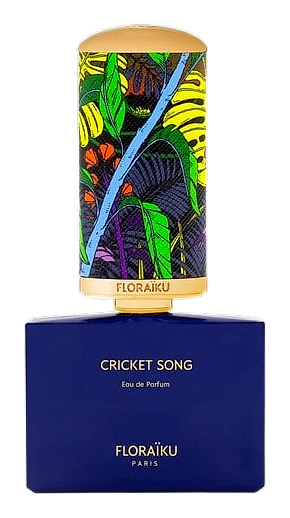
Floraïku's Cricket Song takes magnolia as its subject. The flower presents an inherent duality: sweet yet edged with something almost melancholic, a bloom too beautiful to last. Bergamot and vetiver frame it rather than compete with it, letting the magnolia lead. The composition opens with a bright, clean citrus character that serves as a gateway rather than a destination. From there, the magnolia emerges with creamy depth, carrying a richness that feels both intimate and poetic. The overall effect captures a transitional moment, something like the pause between summer's end and autumn's arrival when the air first cools but warmth still clings. This is a fragrance that works close to the skin, drawing you in rather than announcing itself.
The structure is the point. Notes arrive in sequence rather than collapsing into a single impression. Bergamot opens sharp and immediate. Magnolia takes over soft and creamy, deepening the heart without heaviness. Vetiver arrives last, settling everything into something dry and powdery. No tricks, no filler. Each material earns its place. The bergamot brings a slightly bitter, floral quality that sets it apart from standard citrus. Magnolia's waxy, heady character dominates the heart, while vetiver grounds it with dry, woody warmth.
The evolution
The opening hits bright and immediate. Bergamot announces itself before magnolia arrives. That transition is the whole game. The floral doesn't just appear, it deepens, taking over the heart with something creamier and more intimate, like a room that finally settles into its evening quiet. Then vetiver arrives. Dry, woody, close. The composition shifts toward something powdery and nostalgic, the kind of warmth that lingers on skin rather than filling a room. The drydown feels intimate and close, with moderate sillage that stays personal rather than announcing itself. You notice it on yourself hours later, a quiet presence that never needed to shout to be felt.
Cultural impact
Cricket Song appeals to someone who wants a distinctive, understated composition. The house's approach to presenting perfume with narrative depth distinguishes it from other niche houses and resonates particularly with buyers who value the intersection of scent and storytelling. This is fragrance for those who want something that rewards attention, something that feels considered rather than manufactured. The composition speaks to a sophisticated buyer looking for nuance over novelty.
The House
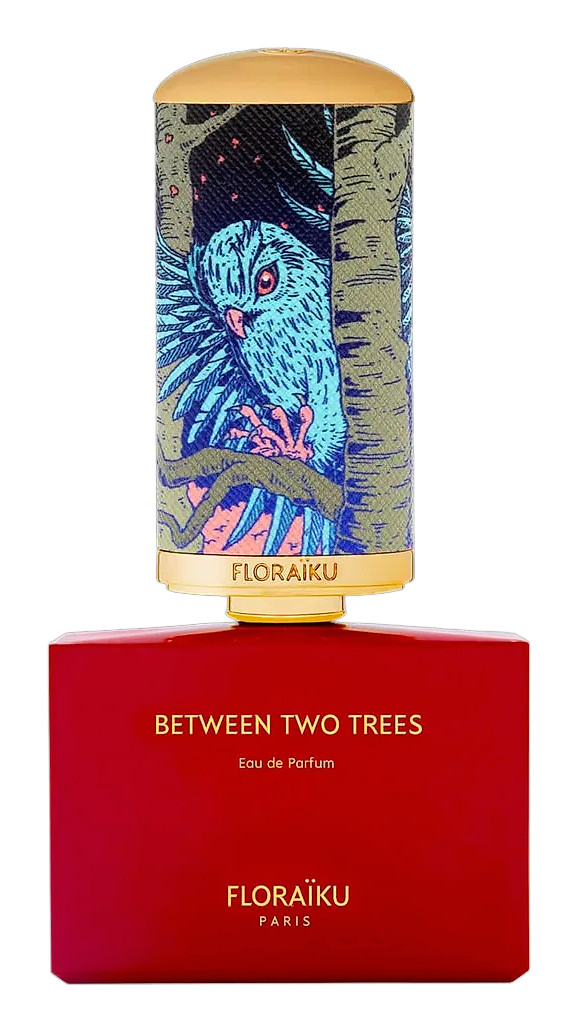
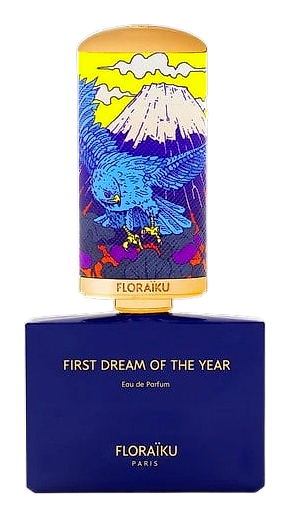
FloraïkuFloraïku Paris is a niche fragrance house founded in 2017 by Clara and John Molloy, the Irish-French couple behind Memo Paris. The brand draws its name from the fusion of two words: Flora, honoring the plant world and natural beauty, and Haïku, referencing the traditional three-line Japanese poetic form. Each fragrance arrives named after a haiku poem and organized into collections that pay tribute to Japanese ceremonies. The first launch in July 2017 introduced eleven fragrances. Working with perfumers including Alienor Massenet, Miroslav Petkov, Philippe Paparella-Paris, Yann Vasnier, Sarah Burri, and Sophie Labbe, the house has built a library that spans multiple collections. The Shadowing™ collection offers companion fragrances designed to layer with existing scents. The Forbidden Incense collection draws inspiration from the Kōdō ceremony, the Japanese art of appreciating incense. Initial retail distribution included an exclusive launch at Harrods in London.
The Creator
Aliénor MassenetHer technical foundation runs deep, rooted in classical French perfumery training, but Massenet deploys that knowledge with restless curiosity. She gravitates toward leather accords and animalic warmth, constructed around a smoky, resinous backbone that lends her creations an…