The Story
Why it exists.
The beginning
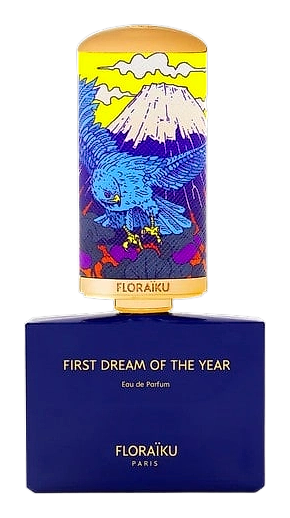
First Dream of the Year is named after Hatsu-yume, the Japanese tradition of reading fortune through the first dream of the new year. Mount Fuji and the hawk, appearing on the bottle, are considered especially auspicious omens within that tradition. Aliénor Massenet composed this fragrance around that threshold moment: the space between what was and what comes next. The name anchors the scent to a specific cultural belief while the composition translates it into something wearable, a fragrance for beginnings, for crossings, for the mornings that feel like decisions.
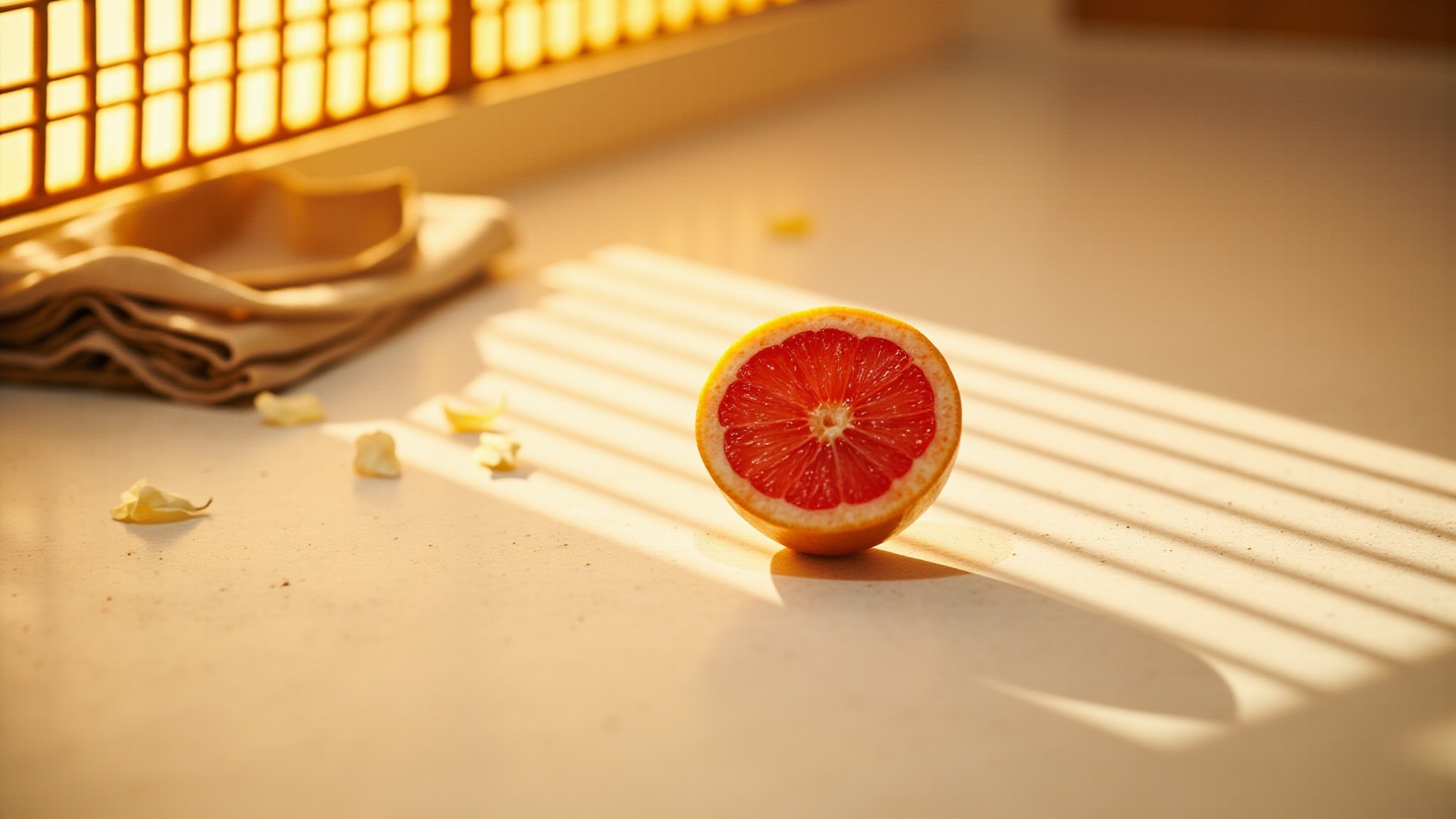
What makes First Dream of the Year unusual is the iris as structural backbone rather than accent. Most orange blossom compositions lean into sweetness or go aquatic. Here, the powder from iris root holds the white florals accountable, preventing them from floating into abstraction. The grapefruit at the opening isn't decorative citrus. It's the bitter peel that makes the sweetness earn its place. The combination reads as the first thought, not the afterthought. That restraint is the point: Floraïku fragrances don't explain themselves. They pause, and you lean in.
The evolution
The opening arrives confident, grapefruit oil's vivid bitterness announces itself first, the kind of citrus that could strip paint. Within minutes the peel quality softens as orange blossom absolute rises to meet it. The floral isn't sweet in the conventional sense. It's opulent and slightly astringent, like petals picked before full bloom. The grapefruit doesn't disappear, it becomes the white florals' honest edge. The heart belongs to orange blossom absolute for the majority of the wear, six to eight hours of a creamy floral that stays close to the skin. Jasmine sambac absolute adds a slight indolic warmth beneath the surface, a whisper of night-blooming character that keeps the composition from reading as purely daytime. The drydown arrives quietly. Iris root powder, the orris butter, is where this fragrance earns its name. Violet-powdery, slightly woody, it settles into the skin like the residue of a dream you can't quite recall. Amber and soft musk hold the composition close rather than projecting it outward. The sillage drops to intimate. The wear continues.
Cultural impact
First Dream of the Year arrived with the Enigmatic Flowers collection in 2017, one of eleven simultaneous launches that introduced Floraïku's haiku-ritual concept to the niche market. The bottle, featuring Mount Fuji and a hawk, references the Japanese cultural belief that these images appearing in the first dream of a new year signal good fortune. That narrative layering, olfactory ritual meets fortune-telling tradition, positioned the fragrance as a collector's piece from the start rather than a mainstream entry. The clean, powdery-white-floral character has kept it in rotation for those seeking Iris-dominant compositions that avoid the heavy sweetness of the category.