The Story
Why it exists.
The beginning
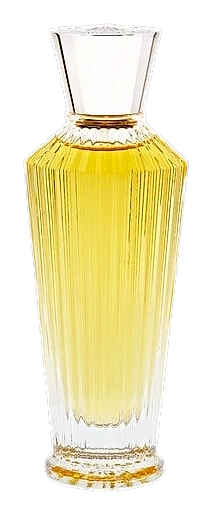
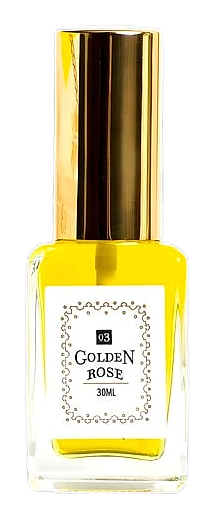
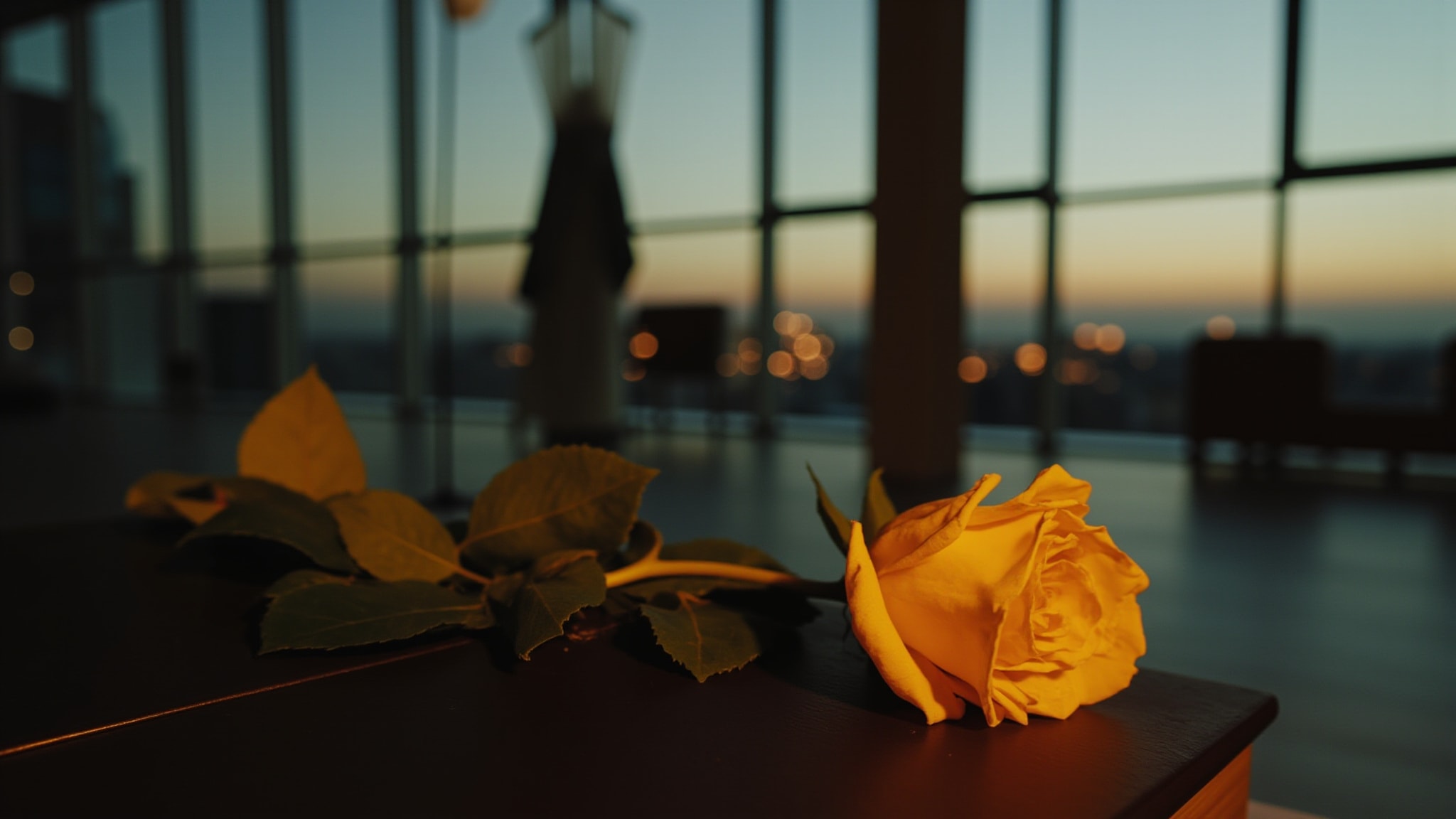
Golden Rose arrived in 2016 as part of Fitzgerald & Guislain's initial four eaux de toilette. Alexander Chesebro, the house's named perfumer alongside Ian Fitzgerald, built this one around rose in several forms, from Turkish rose absolute and rose petals to Russian Gallic rose absolute. The name is direct, but the composition isn't simple. Its roses share the stage with apple, saffron, ambrette, Indian sandalwood, benzoin, balsam fir, linalyl acetate, and balsam fir absolute, creating a portrait of the flower with plenty of weather around it. The opening is crisp and fruit-like, while the fir adds a cool green edge. Rose remains the central thread, but saffron warms it and the woods and resins give the scent depth.
What makes Golden Rose interesting is the friction inside its rose accord. Turkish rose brings an almost honeyed richness, while apple and fresh fir keep the composition buoyant. Saffron adds warmth without turning the floral into a simple centerpiece. Ambrette and linalyl acetate give it a pale, skin-like muskiness, while benzoin and Indian sandalwood provide a darker shelf. Metallic, leather, tobacco, green, and warm-spicy accords widen the frame, so the rose reads as polished and textured rather than conventionally romantic.
The evolution
The first impression is bright and cultivated: fruit, green fir, and polished rose arrive with the crispness of a freshly opened book. As the hours pass, saffron warms the edges and leather develops beneath the florals, pulling the composition away from sweetness and toward something more tactile. Ambrette brings a soft, musky skin effect while benzoin and sandalwood add weight, but the rose keeps its place at the center. Over time, the scent settles into a dry, gently resinous character, still recognizably rosy rather than turning into an indistinct amber blur. Apple fades first, leaving the greener fir notes and rose more exposed, while saffron and ambrette soften the transition into the warmer base.
Cultural impact
Golden Rose offers an inviting look at rose interpreted as the central note of a richly textured fragrance. Its composition moves from apple and green fir into saffron, polished rose, and ambrette, before settling around Indian sandalwood, benzoin, and balsam fir absolute. Turkish rose absolute, rose petals, and Russian Gallic rose absolute provide different expressions of the flower, making the familiar note feel more varied. The result is a floral that can be explored from its brighter opening through its warmer, resinous drydown.
The House
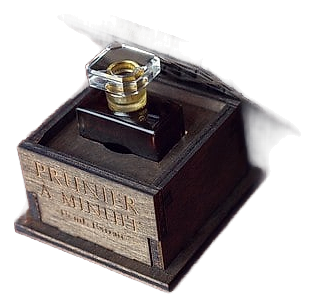
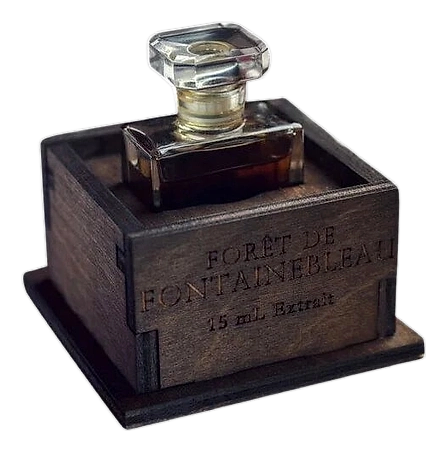
Fitzgerald and GuislainFitzgerald & Guislain is a small‑batch perfume house that builds its collections around natural ingredients and narrative‑driven concepts. Founded by Ian (last name not publicly disclosed) and Alexander Chesebro after a formative trip to Mendocino, the label released its first scents in 2016 and has since cultivated a modest catalogue that includes Prunier à Minuit, La Fôret de Fontainbleau and Golden Rose. The brand positions itself as a storyteller, letting each bottle evoke a place, a memory or a fleeting emotion. All offerings are crafted in the United States and presented in understated glass vessels that let the fragrance speak for itself.
The Creator
Alexander ChesebroChesebro’s style is expressive, polished, and attentive to atmosphere. His corsetry background gives him a particular sensitivity to line and construction, qualities that carry into compositions built around a strong central image.