



Heritage
A house, in its own words
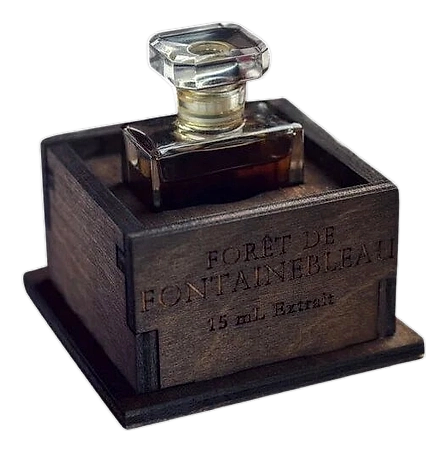
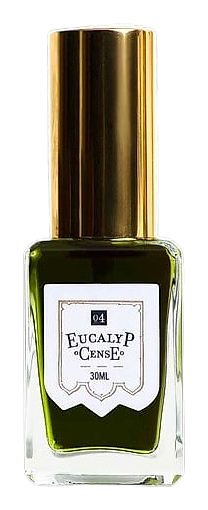
The partnership between Ian and Alexander Chesebro began in the mid‑2010s, when the two friends explored the redwood‑lined coast of Mendocino County. Their shared fascination with wild botanicals and a desire to avoid the synthetic shortcuts common in mainstream perfumery sparked the idea of creating a line that would honor the raw materials themselves. In 2015 they registered Fitzgerald & Guislain LLC in California, choosing a name that references two historic French perfume houses as a nod to tradition while charting their own path. The first public release arrived in early 2016 with a trio of fragrances – Golden Rose, Gerefou and Eucalypcense – each built around a single dominant natural note. The following year the house expanded its narrative scope, unveiling Prunier à Minuit, La Fôret de Fontainbleau and Extrait d'Osmanthus, all of which drew inspiration from specific landscapes or literary scenes. Production has remained limited; the founders report batch sizes that rarely exceed a few hundred bottles, allowing close control over ingredient quality and consistency. Over the past eight years the brand has maintained a steady output, avoiding rapid expansion in favor of careful refinement. While the company does not publish sales figures, it has attracted a niche following among collectors who value transparency, ingredient purity and the personal story behind each scent. The brand’s evolution reflects a quiet commitment to natural perfumery rather than a pursuit of headline‑grabbing awards, and its modest growth has been documented in independent fragrance databases. Fitzgerald & Guislain frames perfume as a form of storytelling, a belief that emerged from the founders' own travel experiences. The house treats each ingredient as a character, allowing the scent to unfold like a short story rather than a static composition. Natural materials are preferred not merely for their origin but for the way they change over time, offering a living narrative that evolves on the skin. The brand’s values include sustainability, traceability and a respect for the ecosystems that supply its raw materials. Sourcing decisions are guided by direct relationships with growers, especially those operating on small farms in California, France and the Mediterranean. The creators avoid synthetic aroma chemicals unless they can be proven to enhance the natural profile without compromising the overall integrity of the fragrance. Transparency is a core tenet; ingredient lists are published in full on the website, and the founders often share field notes from harvest trips. This openness reflects a broader vision of demystifying perfumery for consumers who might otherwise feel intimidated by the industry’s jargon. By focusing on narrative, the house hopes to invite wearers to create personal memories linked to each bottle, turning fragrance into a portable diary.