The Story
Why it exists.
The beginning
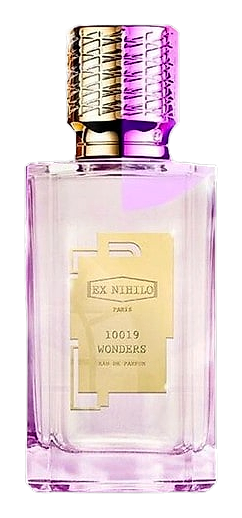
The number isn't a note count. It's a ZIP code, 10019, Bergdorf Goodman on Fifth Avenue. This house names fragrances after concepts, not conventions. The reference point for 10019 Wonders isn't abstract: it's a specific landmark, a specific address, a specific kind of customer who walks through those doors expecting to be remembered. Ex Nihilo created this fragrance exclusively for that store in 2019, giving perfumer Jordi Fernández a rare brief: make something worthy of the building itself. The result is a fragrance that wears its New York inspiration literally, bold, unapologetic, impossible to ignore.
The density is the point. Most Ex Nihilo fragrances lean airy, abstract, art-gallery-clean. 10019 Wonders does the opposite. Dates aren't the usual suspect in Western perfumery, they belong to the oriental tradition, with their sticky sweetness and almost leathery depth. Here, they're the bridge between gourmand and something more serious. The cocoa doesn't soften in the drydown. It strengthens. That reversal, sweetness that gains rather than fades, is the structural gamble that makes the fragrance worth discussing.
The evolution
The drydown is where Ex Nihilo's intentions become clear. After the warm almond-cinnamon opening and the syrupy date-caramel heart, you'd expect sweetness to dilute. It doesn't. The cocoa and vanilla intensify, gaining weight and warmth. Sweetness that grows instead of retreating. The sillage starts strong, it announces, then settles into something intimate. Close to skin. Made for touch, not theater. The longevity is the real signature. On fabric, the vanilla-cocoa base can linger for days.
Cultural impact
10019 Wonders arrived in 2019 as Ex Nihilo's bold statement piece for Bergdorf Goodman, staking out territory in the dense-gourmand category that was gaining momentum in niche perfumery. The 2019 release tapped into a growing enthusiast appetite for unapologetically sweet, statement-making fragrances that broke from the restrained elegance dominating mainstream luxury. At a time when consumers were gravitating toward niche houses offering creative freedom, this collaboration with perfumer Jordi Fernández positioned the department store as a tastemaker curatingexclusive sensory experiences. The ZIP-code naming convention echoed a broader trend of geographic branding in luxury goods, grounding the abstract in New York real estate.