The Story
Why it exists.
The beginning
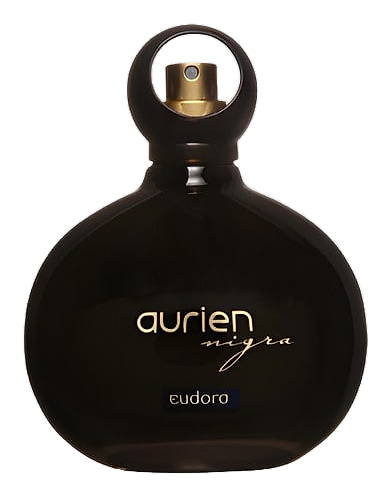
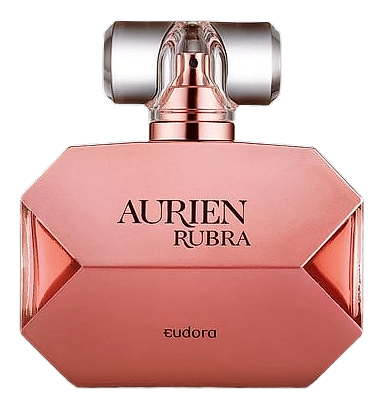
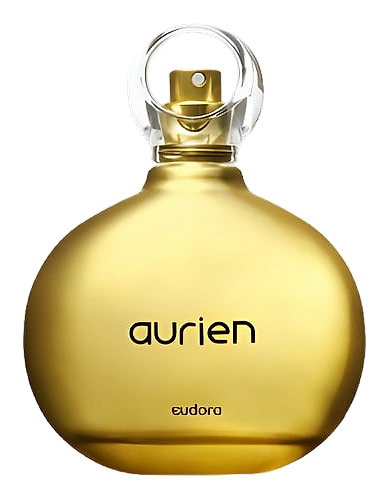
Aurien landed in 2011 as part of Eudora's opening act, a Brazilian newcomer stepping into a market crowded with serious faces. Where most launches hedged toward safe, Aurien went straight for the fruit. Big strawberry takes center stage, not as a footnote but as the whole argument. Lime and mandarin orange throw open the curtains, bright and immediate. The floral heart keeps things feminine without drifting into powder. And patchouli, that quiet weight at the base, stops the sweetness from floating off entirely. The name has a soft ring to it. The fragrance doesn't whisper back. Aurien was built for the dresser who treats fragrance as self-expression rather than status, someone who'd rather smell like the first warm afternoon than a room that smells expensive.
The note structure is deliberately unapologetic. Strawberry as a headline note is common enough in mass-market fragrance, but Aurien's treatment sets it apart: the citrus opening doesn't perfume the strawberry away into abstraction. Lime and mandarin stay sharp for the first few minutes, keeping the fruit honest. The floral heart, vaguely floral, the research says, not a specific bloom, acts as a bridge rather than a destination. And patchouli, the one darker note, does what darker notes do: it grounds the sweetness, keeps it from becoming one-dimensional.
The evolution
The opening announces itself immediately: lime and mandarin orange, bright and direct. There's no tease, no slow build, just a sudden rush of citrus that reads clean and slightly tart. Then, within minutes, the strawberry arrives. It doesn't burst in so much as settle, a warmth that softens the citrus edges without erasing them. For the next hour or so, strawberry and citrus share the stage, with the floral heart hovering above, keeping things lifted. The drydown is where Aurien makes its quietest argument. The fruit fades, the florals soften, and patchouli takes over, a woody, slightly earthy base that gives the fragrance weight it otherwise lacks. This is the part that lasts. Not loud, not projecting far, but persistent. On fabric, it can linger into the next day, a faint sweetness that surprises you when you reach for the jacket you wore yesterday.
Cultural impact
Aurien's 2011 launch marked a turning point for Brazilian mass-market fragrances. Eudora, a brand under Grupo Boticário, positioned this scent at the intersection of accessibility and trend-forward design, appealing to young consumers who wanted contemporary fragrance without luxury pricing. The strawberry-citrus-patchouli blend reflected a broader shift in Brazilian beauty culture toward bolder, more expressive compositions. Rather than mimicking international releases, Aurien offered a distinctly local take on the fruity-floral trend. Its success helped normalize the idea that Brazilian consumers deserved modern fragrance options, not just international hand-me-downs.