The Story
Why it exists.
The beginning
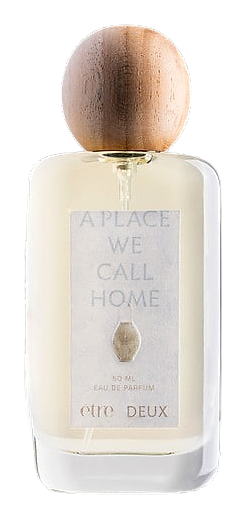
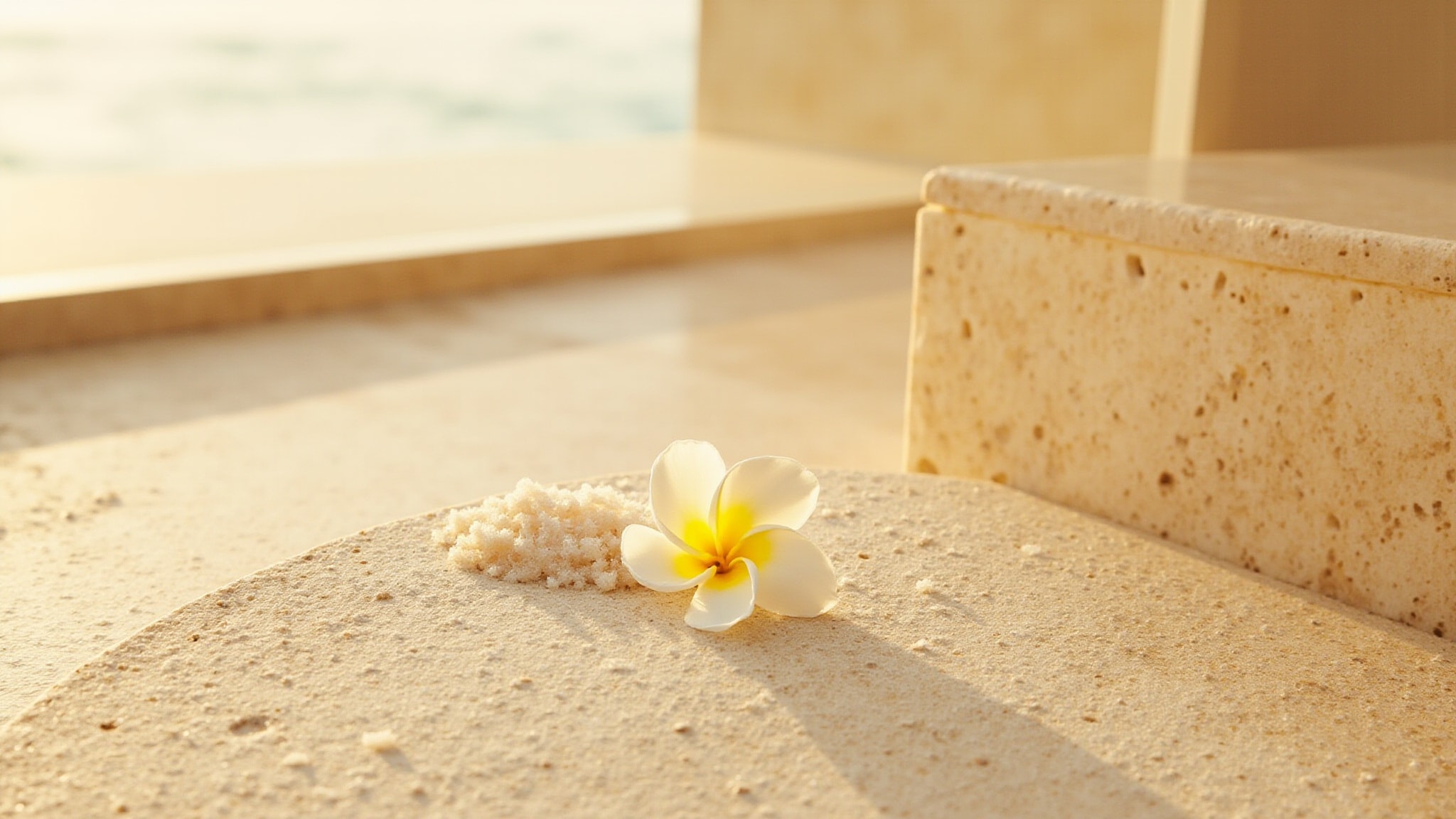
Perfumer Lygia has always carried Bali close. The island keeps pulling her back, keeps revealing something new each time. On one visit, something shifted. Bali stopped being a destination and started feeling like an answer. The harmony she had been searching for wasn't somewhere ahead. It was there all along. A Place We Call Home is that feeling, bottled. Not a memory of Bali, the actual thing, distilled into something you can wear. There's a particular quality to how the air moves there, warm and salt-tinged, carrying the scent of frangipani and jasmine that seems to exist nowhere else quite the same way. It stays with you long after you leave, a presence rather than a perfume. This fragrance captures that particular quality, that sense of arrival you didn't know you were waiting for.
The heart of this fragrance is frangipani absolute and jasmine sambac absolute, two of the most distinct tropical florals in perfumery. Neither is subtle. Together, they don't compete. They amplify. Frankincense adds an aromatic lift that keeps the florals from going too sweet, while leather grounds the composition in unexpected territory. Blood mandarin and nutmeg open sharp and spicy, then give way. Marine notes and sand pull from the island's coastline, that mineral, sun-warmed stone quality where ocean meets shore. It's a rare combination: tropical without being one-note, beachy without being casual.
The evolution
Red mandarin and nutmeg hit first, a bright, almost spicy jolt that reads as tropical sunlight. The sea notes arrive next, not synthetic aquatics. Something mineral and real, like the smell of wet stone at low tide. The frangipani and jasmine then push through, creamy, lush, but held in check by the marine quality underneath. It doesn't go heady. The leather surfaces briefly, grounding. Then the florals soften and frankincense takes over, adding that quiet spiritual dimension. The drydown is sandalwood and vetiver, warm, woody, intimate. It stays close to the skin for hours. There's a trace of musk and warm wood that lingers. The scent never fully leaves. Just fades into something skin-like. What opens as bright and vivid settles into something more introspective over time, the tropical brightness tempering into a gentle warmth that feels less like performance and more like presence.
Cultural impact
A Place We Call Home offers something beyond straightforward tropical scents. The marine-floral-woody structure gives it a complexity that rewards attention. It's sophisticated enough for fragrance people, accessible enough for someone discovering the category. The way it handles tropical imagery avoids easy tropes, finding instead something that feels both grounded and transportive. There's a maturity to how it balances the lush with the mineral, the floral with the marine. It earns its emotional claims rather than relying on them.