


Heritage
A house, in its own words
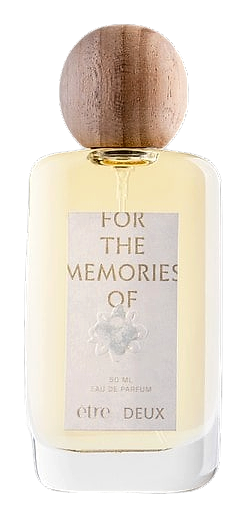
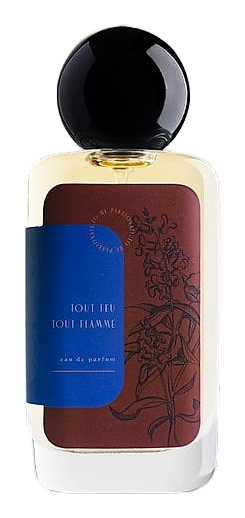
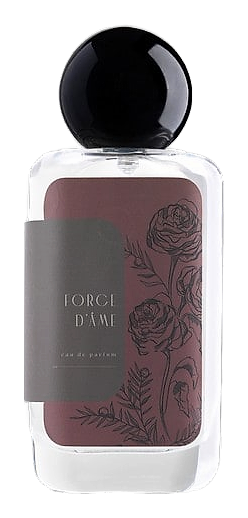
Being a contemporary fragrance house, Être does not claim centuries of lineage or royal patronage. Instead, the brand positions its heritage in the olfactory landscapes of two distinct territories: Indonesia and France. According to its own stated process, the house began by profiling both countries to identify their aromatic essences and discover the gap between them. This comparative approach defines the brand's origin story, rooted in cross-cultural exploration rather than a single geographical tradition. The brand's French naming conventions, visible in fragrance titles like Bouquet de Joie, Force d'Âme, Libre d'Esprit, and Fleur de Chance, suggest an aesthetic rooted in French perfumery language. The house emerged during a period of renewed interest in East-meets-West fragrance concepts, though specific founding circumstances remain documented primarily through the brand's own communications. Its heritage, therefore, is still being written, with each new release adding chapter to a story defined by dual cultural identity rather than singular lineage. Être operates from a belief that meaningful fragrance emerges from understanding two distinct worlds and finding what lies between them. The house approaches perfumery as a mapping exercise, systematically profiling the olfactory characteristics of Indonesia alongside those of France. This dual focus shapes not only ingredient selection but also the emotional territory the brand seeks to explore. The name "Être" itself, meaning "to be" in French, signals an orientation toward presence and being rather than mere acquisition or status. The brand's fragrance titles reinforce this philosophical stance: Force d'Âme (Strength of Soul), Libre d'Esprit (Free Spirit), and For The Memories Of suggest an interest in interiority, memory, and emotional states. Rather than positioning itself against historical competitors, Être appears to occupy a space defined by cross-cultural dialogue. The house's published process emphasizes identification of gaps in the fragrance landscape, implying a mission to offer something not yet available rather than to replicate existing categories. This approach values discovery and sensory exploration over market positioning or tradition-bound formulas.