The Story
Why it exists.
The beginning
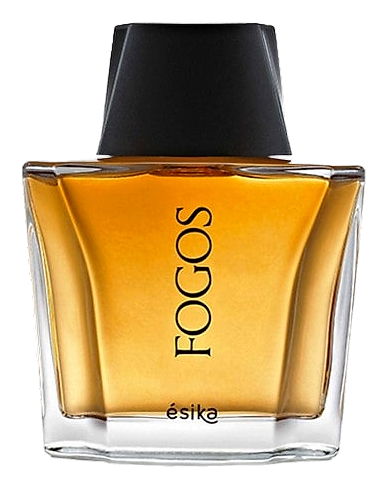
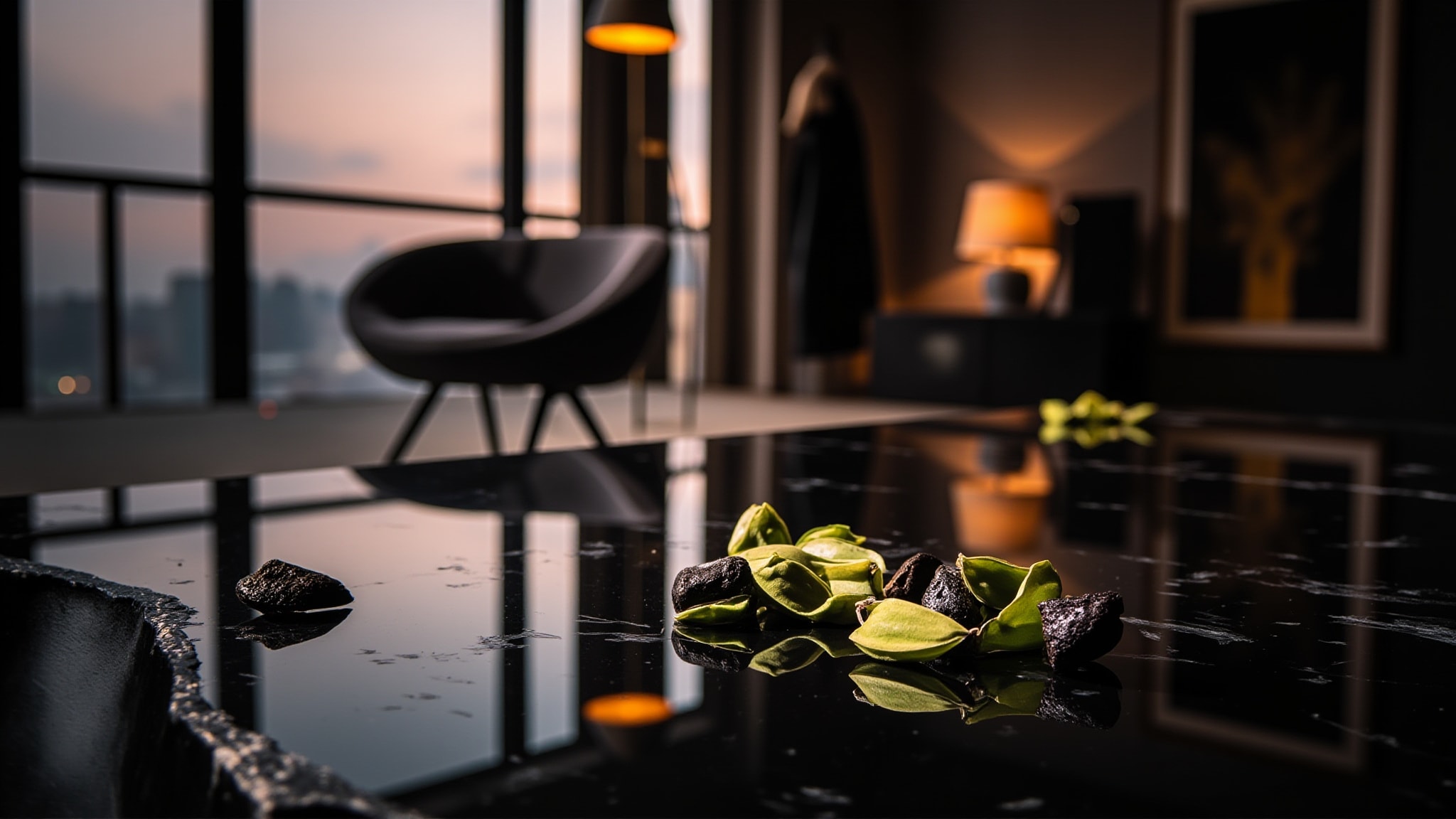
Fogos arrived in 2012, and the formula is almost defiantly stripped back. Patchouli and cardamom, listed as the complete olfactory architecture, with no supporting cast listed in the source data. Two notes, nothing else, and the minimalism itself reads as a choice the perfumer made rather than a limitation. The name carries heat. Fogos reads like a composition chasing thermal contrast, where something burns at the surface while something deeper smolders underneath. Cardamom is the spark. Patchouli is the slow burn that follows, earthy and resinous, settling into the skin with the patience of cooling embers. The scent profile suggests after-dark hours, of cooled warmth rather than open flame, where spice gives way to soil and the whole thing draws inward as the hours pass.
What makes the structure worth attention is the restraint. Most men's releases pad the formula with lavender, vetiver, or synthetic musk to broaden appeal. Fogos stays narrow. The cardamom reads green and slightly peppery in the top, then melts into patchouli's earthy resin without any bridge to soften the transition. That two-note spine is the whole point. Patchouli brings the balsamic warmth and the soil depth that defines the drydown. Cardamom keeps it from collapsing into a standard chypre by adding a clean, aromatic snap at the start.
The evolution
The first 15 minutes belong to cardamom. It opens green, almost cooling, with a peppery edge that sits close to the skin. There's no citrus brightness to soften the landing. Just the raw spice, bright and a little sharp. Around the 30-minute mark the handoff happens. Patchouli rises underneath, warm and balsamic, and the cardamom doesn't fade so much as get absorbed into it. The character shifts from aromatic to earthy, from lifted to grounded. The green crack at the top is gone, replaced by something denser, closer to damp forest floor than spice market. By hour two, it's fully patchouli. Deep, slightly sweet, with a resinous undertone that gives it weight. The projection tightens, pulling into that personal-zone radius where only someone leaning in catches it. It holds there through the evening, fading slowly over 5-6 hours into a soft, woody trace that's more memory than statement.
Cultural impact
Fogos sits in a specific corner of the men's fragrance world, the narrow woody chypre space where patchouli leads and everything else is texture. It shares territory with classics like Azzaro Pour Homme and Ted Lapidus Lapidus Pour Homme, but its stripped-back formula puts it closer to vintage patchouli-forward compositions than modern multi-note releases. For wearers who want patchouli without the aromatic scaffolding of a traditional fougère, it's a direct route. The scent gravitates toward people who already know they like earthy warmth and want it uncut. What separates Fogos from those benchmark patchouli fragrances is the restraint.