The Story
Why it exists.
The beginning
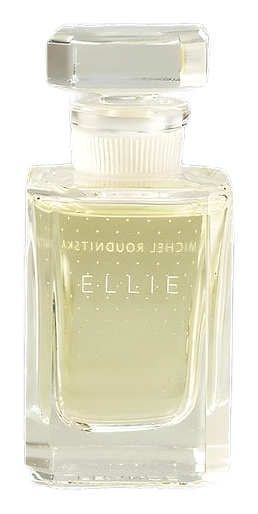
Ellie arrived in 2007, composed by Michel Roudnitska for a woman named Eleanor, known as Ellie, whose personal collection of rare fragrances became something of a legend among those who knew her. Roudnitska's task was not to recreate one of her bottles but to capture the person herself: her instinct, her memory, her way of moving through the world of scent. The result was a fragrance built around white flowers, vetiver, vanilla, and musk, composed with quiet conviction rather than commercial calculation. It launched without ceremony, appealing to those who understood what it meant.
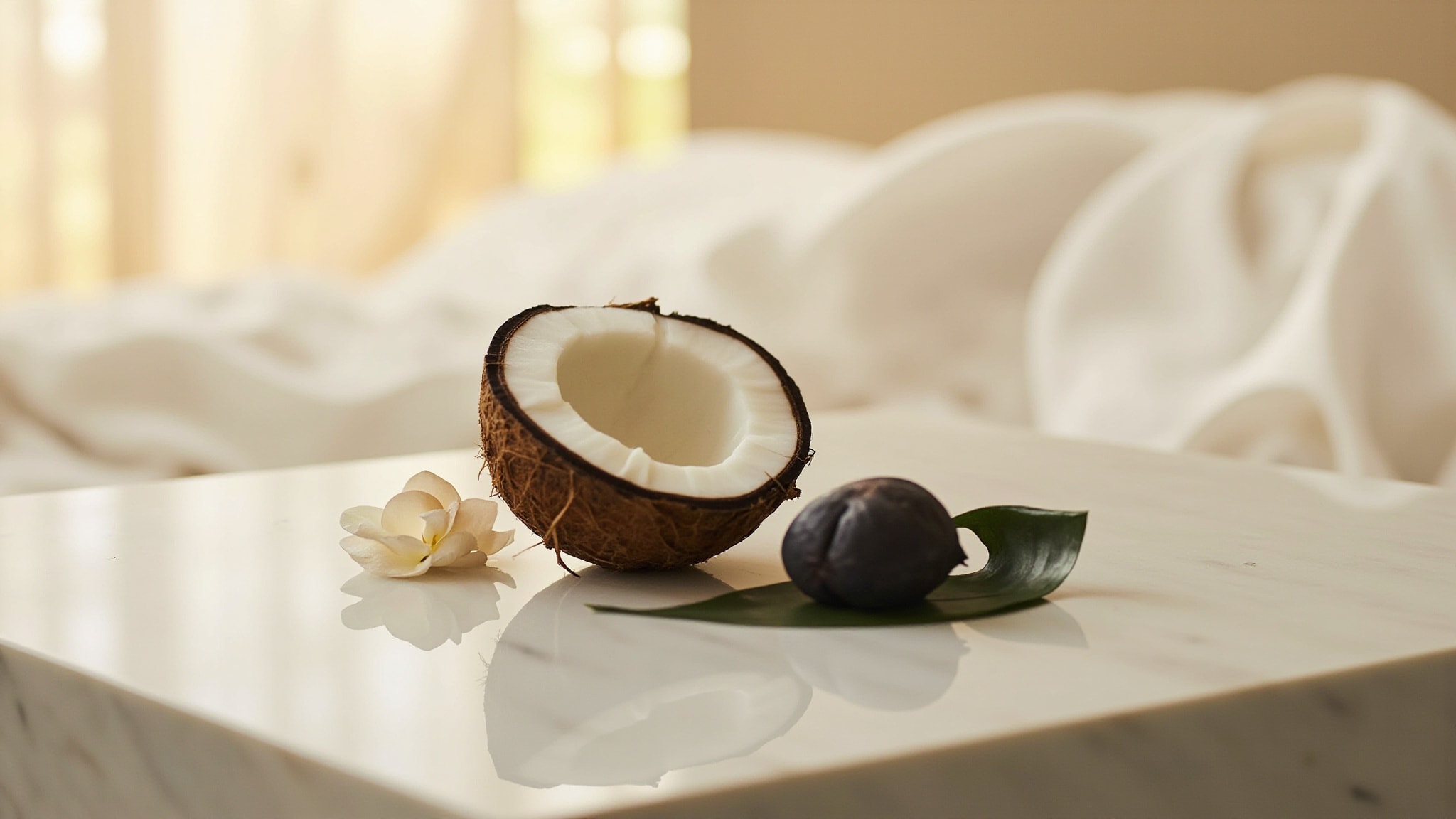
What makes Ellie's structure distinctive is its refusal to complicate. Roudnitska works with four materials and lets them honest. White flowers provide the cream, vetiver provides the earth, vanilla provides the warmth, and musk provides the skin. The tension between gardenia and vetiver is the real story. One is lush and tropical, the other is dry and green, almost smoky. In most fragrances, they cancel each other out. Here, they coexist with a kind of French restraint that feels intentional rather than accidental. The white flowers don't overwhelm because the vetiver keeps them grounded. The vanilla doesn't become dessert because the musk keeps it close.
The evolution
The opening arrives quickly. Citrus, coconut, fig leaf, bergamot, tangerine all present for the first few minutes, not quite assembled yet. Then the white flowers step forward. Gardenia and jasmine, creamy and green at the same time, like stepping into a garden at dusk when the air is still warm. The opening was not the point. It was the setup. The real thing starts around minute ten. The white floral heart holds for hours, not because it is loud, but because the vetiver underneath keeps everything grounded and present. The gardenia does not fade so much as settle, becoming part of the skin rather than something sitting on top of it. Vanilla and musk arrive quietly in the final hours, wrapping around the florals like a worn cardigan. By the end, the wearer smells warm, intimate, close. The next morning, a trace of it remains on fabric and skin: vetiver, vanilla, skin warmth. On clothing, it lasts well into the next day.
Cultural impact
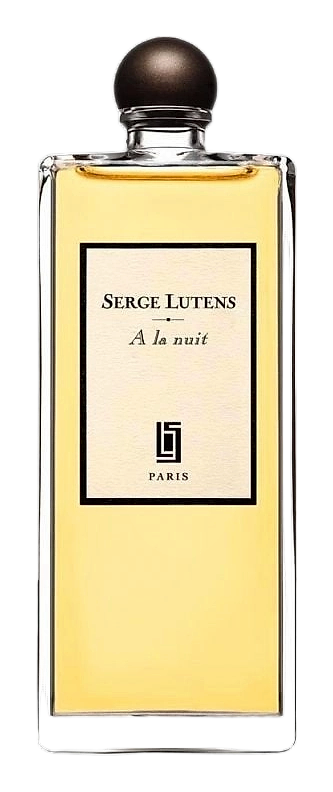
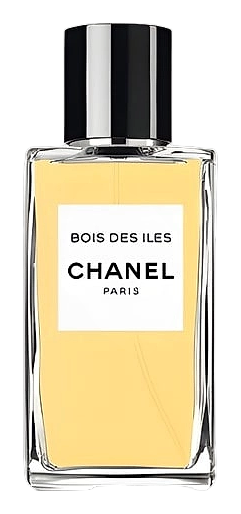
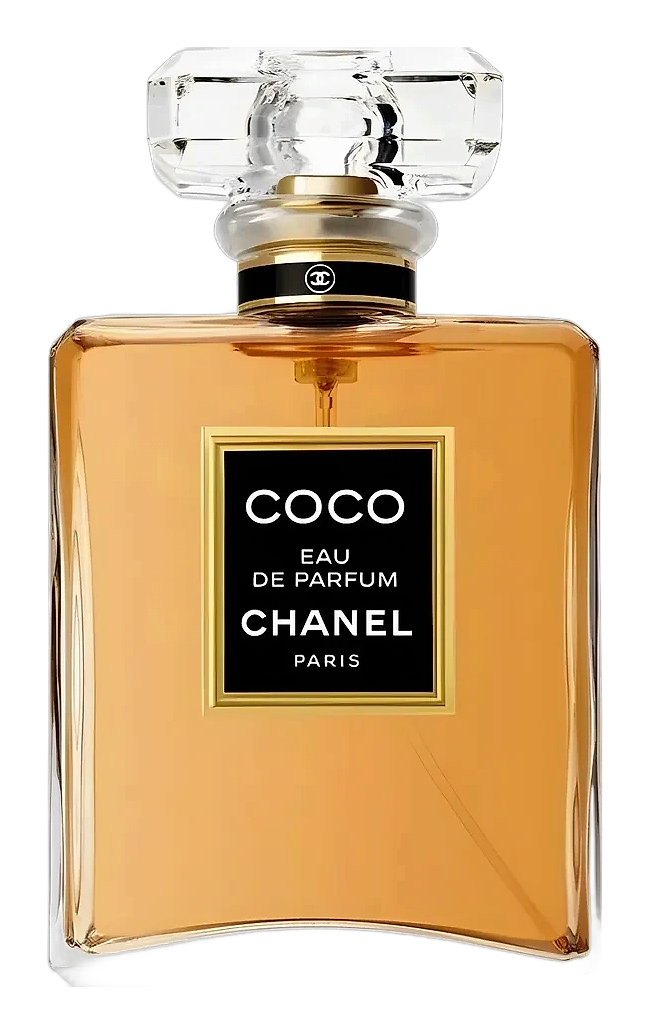
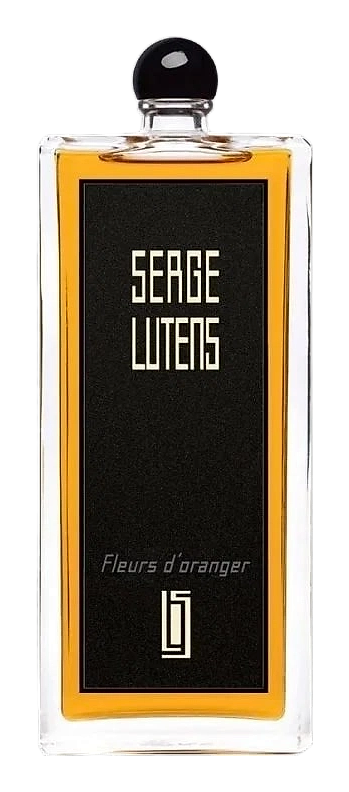
Ellie occupies a particular space in the white floral tradition. Wearers who know Serge Lutens A La Nuit or Chanel Coco Eau de Parfum find echoes here, though Ellie's vanilla-vetiver drydown sets it apart. The 2007 launch predates the ultra-niche wave by several years, positioning it in a quieter, more personal American niche tradition where the impulse behind the fragrance matters more than its market position. What it has is longevity: eight to ten hours on most skin types, a trait that draws people in once they discover it.
The House
Ellie PerfumeEllie Perfume is a fragrance house built around the memory of a passionate perfume lover named Eleanor, known as Ellie, whose personal collection and devotion to scent inspired the creation of a signature line. The brand released its debut fragrance, simply titled Ellie, in 2007, followed by a darker companion piece called Ellie Nuit in the same year. While the house maintains a modest catalog by design, each release reportedly reflects the personality and preferences of the woman who lent her name to the collection. Jessica Dunne is associated with the brand through the Ellie D Perfume connection, carrying forward the emotional inspiration behind the original Ellie fragrances. The brand occupies a niche position in the fragrance world, appealing to collectors and enthusiasts who value scents with personal rather than commercial origin stories.
The Creator
Michel RoudnitskaMichel Roudnitska operates within the classical French tradition his father helped define, yet he brings a contemporary sensibility to structure and restraint. His aesthetic tends toward meticulous construction, where each material serves a clear purpose within a larger harmon…