
Heritage
A house, in its own words
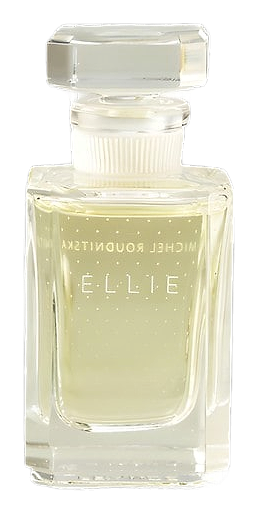
The story of Ellie Perfume begins with Eleanor, known affectionately as Ellie, a dedicated perfume enthusiast who reportedly spent years building an extensive personal collection of fragrances. Her passion for scent went beyond casual enjoyment; those who knew her described her as someone who approached perfumery with genuine connoisseurship and emotional depth. This devotion to fragrance reportedly became the founding inspiration when associates close to her decided to create a scent that would honor her memory and her particular tastes. The brand emerged in 2007 with the release of its debut fragrance, Ellie. Rather than launching with fanfare typical of commercial fragrance houses, the release arrived quietly, appealing primarily to those who understood the personal significance behind the name. The choice to create a companion fragrance, Ellie Nuit, in the same year suggests careful planning rather than opportunistic expansion. Nuit, meaning night in French, indicates a thematic approach that extended the Ellie concept into evening wear and warmer, more mysterious territory. Jessica Dunne, connected to the Ellie D Perfume lineage, appears to have been instrumental in translating Eleanor's personal preferences into wearable compositions. The connection between Ellie Perfume and Ellie D Perfume suggests either a rebranding, licensing arrangement, or family of brands sharing a common muse. Unlike mass-market fragrance houses that trace their heritage to Parisian fashion houses or Italian design dynasties, Ellie Perfume represents a more intimate tradition, one rooted in individual passion rather than corporate genealogy. The absence of a formally documented perfumer attribution may reflect either a preference for brand anonymity or simply incomplete record-keeping in the scattered fragrance media landscape. The philosophy behind Ellie Perfume centers on personal meaning over market positioning. Where many fragrance houses develop scents to fill commercial gaps or follow seasonal trends, Ellie appears to have originated from a fundamentally different impulse: the desire to materialize a person's character through scent. Eleanor's own collecting habits and discerning preferences reportedly influenced not only the name but the actual olfactory direction of the compositions. This approach treats fragrance as biography rather than commodity. Rather than appealing to broad demographic desires, the brand seems aimed at individuals who understand that a scent can carry emotional weight and personal resonance. The decision to name both the original fragrance and the brand after the same person, rather than adopting a more abstract brand name, reflects this intimate philosophy. Every wearer of Ellie is, in a sense, wearing Eleanor's taste, her history of exploration, her conclusions about what makes a fragrance worth loving. The philosophy also appears to embrace restraint. With only two fragrances released in the same year, the house has resisted the expansion temptations that drive many niche brands toward ever-wider catalogs. This suggests an understanding that curation, not collection-building, defines true luxury. Each Ellie fragrance presumably represents a considered choice about what deserves to exist, rather than what the market might absorb. For those who discover the brand, this philosophy offers something increasingly rare: a fragrance experience grounded in genuine human connection rather than marketing narrative.