The Story
Why it exists.
The beginning
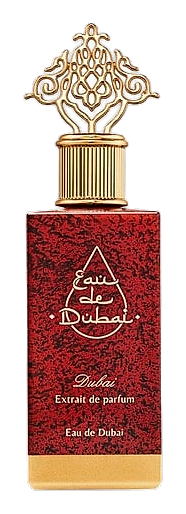
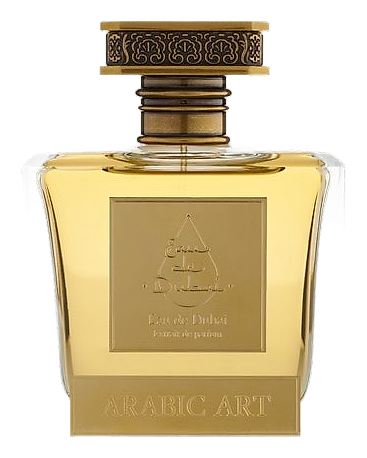
Arabic Art arrived from Eau de Dubai in 2020. Its title points toward artistic expression, but the available research offers no named muse, place, or perfumer beyond that framing. What can be traced is the composition itself: saffron and jasmine establish a poised opening, amber and raspberry bring warmth, and ambergris gives the heart an animalic depth. Cedar and oakmoss anchor everything in a dry, earthy base. The result feels like an idea rendered through contrast, sweetness meeting spice, floral brightness meeting mineral shadow. As the scent develops, the brighter opening gives way to warmer fruit, soft amber, and a textured ambergris accord. Jasmine keeps the center airy, while saffron lends a dry, metallic spice.
The combination is the point. Saffron brings a metallic, spice-sharp tension, while raspberry supplies a juicy sweetness that keeps the opening from becoming austere. Jasmine introduces a white floral lift without losing the darker register. Amber and ambergris deepen the heart, giving the fruit and floral notes a warm, skin-like weight. Cedar and oakmoss then pull the composition downward into something mineral and woody, so the final impression is less about dessert and more about polished earth.
The evolution
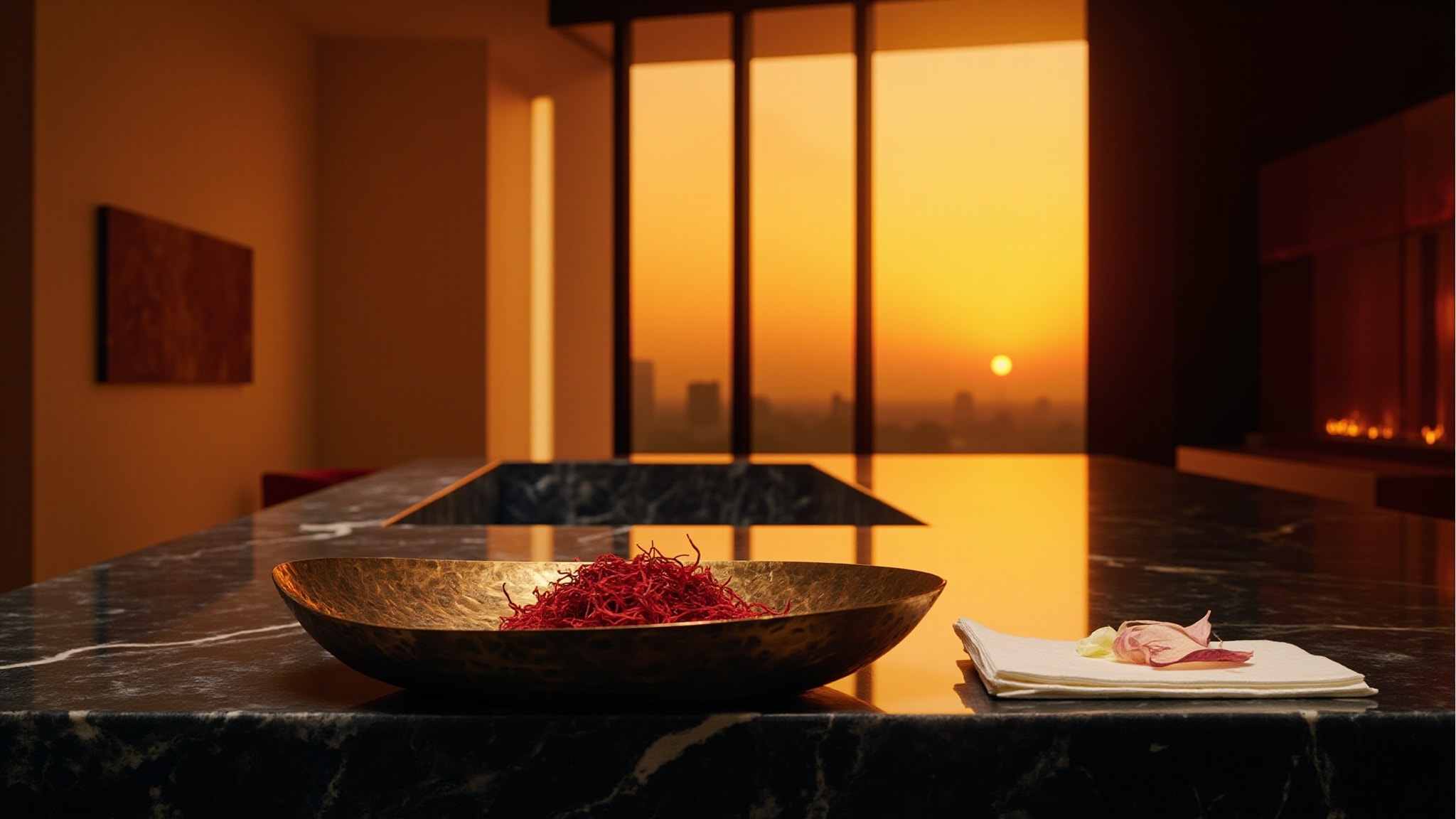
The scent opens with saffron and jasmine, a meeting of bright spice and clean white floral air. Saffron gives the first impression a dry, slightly metallic warmth, while jasmine contributes a soft floral brightness that keeps the opening clear rather than heavy. Soon, raspberry enters, and the composition gains a glossy sweetness that makes the opening feel more tactile. Amber and ambergris follow, rounding the brightness into a warm, slightly skin-like center. Amber adds a smooth golden density, while ambergris brings a deeper, mineral and animalic texture. As the heart settles, cedar starts to show through the fruit and flowers with a dry, woody edge. Its clean structure contrasts with raspberry's sweetness and gives the composition more definition. Oakmoss completes the turn, bringing an earthy, green-black shadow into the drydown.
Cultural impact
Arabic Art can be read through the interaction of its materials rather than through any broader cultural claim. The name suggests artistic expression, while the composition expresses that idea through contrast: saffron and jasmine bring brightness, raspberry adds sweetness, and amber and ambergris create warmth and depth. Cedar and oakmoss ground the result with dry wood and earthy moss. Together, these notes form a contemporary, balanced scent profile in which floral, fruity, spicy, animalic, and woody elements remain clearly connected.