The Story
Why it exists.
The beginning
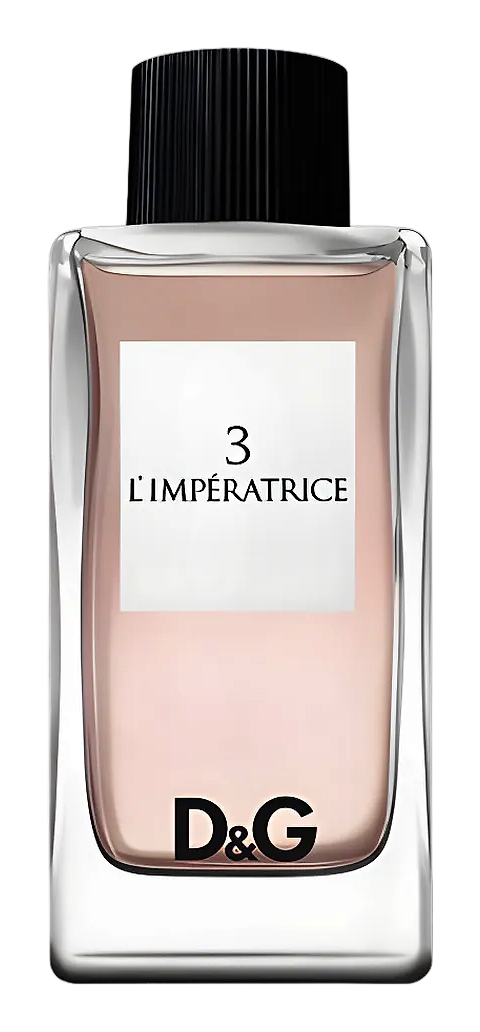
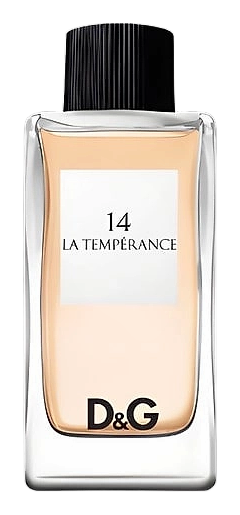
The Dolce&Gabbana Anthology collection launched in 2009 with six fragrances named after tarot cards. Each card, each scent, a different emotional archetype. La Temperance 14 arrived in 2011 alongside Le Fou 21, representing balance and harmony, the card of patience, moderation, and finding center. The house wasn't interested in making another bold statement fragrance. They wanted something quieter. A scent that captures the tension between restraint and desire, the way a woman can hold two worlds at once and still feel whole. The number fourteen carries its own weight in this context, suggesting a midpoint, a place of equilibrium rather than conclusion.
The composition reflects that duality. Ambrette, the seed of musk mallow, gives the fragrance its natural musky warmth without the animalic weight of traditional musk. It's clean in a way that feels modern, almost abstract. The iris and orris root form the powdery heart: rooty, violet-sweet, with an earthy depth that grounds the florals. Hibiscus adds a floral accent that lifts the powdery base, rose keeps the composition refined. The oriental notes and patchouli in the base settle, warm and close, like a secret kept well.
The evolution
The opening hits clean. Pink pepper's bright spiciness meets ambrette's nutty musky warmth, an unexpected combination that reads fresh, not sweet. For the first several minutes, the fragrance feels composed. Then the iris arrives. Powdery, violet-sweet, pulling you into that quiet moment before night settles in. Hibiscus and rose keep it soft. The hand-off happens gradually: the florals don't disappear, they deepen alongside the base. By the later stages, musky ambrette and oriental patchouli take over. The drydown holds close, musky, woody, intimate. This is a fragrance that asks you to lean in.
Cultural impact
La Temperance 14 is part of the tarot-inspired Anthology collection, appealing to fragrance wearers drawn to meaning and mood over raw sillage. The powdery iris and musky warmth combination has made it notable among those seeking something subtle and distinctive. The card of Temperance speaks to those who appreciate restraint as its own form of expression, who find power in what isn't said rather than what is.