
The Story
Why it exists.
The beginning
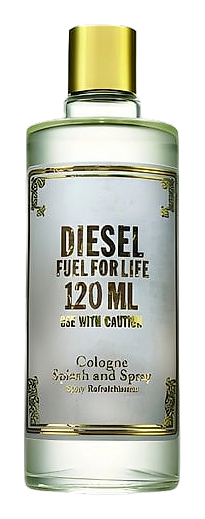
Fuel for Life was composed by Annick Ménardo, who crafted a scent that steps away from typical masculine fragrance conventions. The lavender-raspberry pairing creates an aromatic character that catches attention from the first spray. It's a combination that feels both familiar and surprising, blending herbal warmth with bright fruit notes in a way that makes an impression immediately.
The top notes arrive with unexpected intensity. Star anise and pink pepper don't so much open the fragrance as detonate it, a sharp, almost medicinal jolt that announces itself before you've even finished twisting the cap. What's unusual is what comes next. Lavender and raspberry together reads more aromatic and more playful than you'd guess from the pyramid alone. It's the kind of combination that makes you double-check the notes, because on paper it shouldn't work.
The evolution
Star anise arrives first. Sharp, almost medicinal. Pink pepper cuts in with a synthetic brightness that doesn't pretend to be natural. The combination has a specific jolt, the kind of opening that either grabs you immediately or takes a full minute to recalibrate around. Thirty minutes in, the lavender surfaces. Not the crisp, soapy lavender of fougère tradition, something rounder here, cushioned by the raspberry underneath. The berry doesn't read as sweet exactly. More like a tartness that softens the herbs rather than sugary fruit. This middle phase is where the fragrance decides what it wants to be. It settles into something aromatic and fruity at the same time, which was genuinely unconventional for a 2008 men's release. Most fragrances in that space were still playing it safe. The heliotrope arrives quietly as the lavender fades, adding a powdery floral undertone that most people either love or find too synthetic. The vetiver is the long game. It outlasts everything, earthy, slightly bitter, with just enough heliotrope sweetness to keep it from going harsh.
Cultural impact
Fuel for Life Cologne belongs to a moment when Diesel was translating its fashion energy into scent. The anise-lavender combination creates a distinctive aromatic character that sets it apart from more conventional men's fragrance directions. It's been worn quietly for years by people who appreciate its unconventional structure, and questioned loudly by those who wanted something more straightforward from the brand. Either way, it hasn't been forgotten.