The Story
Why it exists.
The beginning
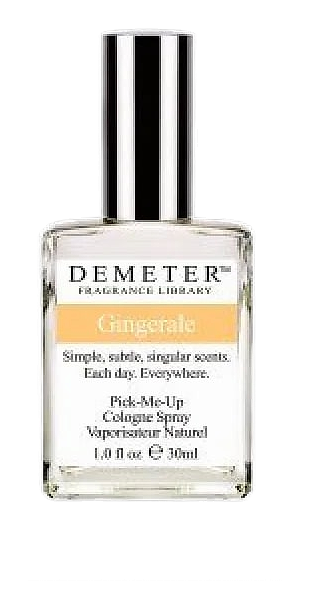
Christopher Brosius wanted to bottle a drink most people had never thought twice about. Ginger ale. Not as a metaphor for refreshment or energy, just the actual, literal smell of it. The carbonation. The bite. The way it cuts through everything else on a hot afternoon. Demeter's philosophy of olfactory transparency meant one thing here: what you smell is exactly what you get. A mixer. A moment. A glass already in your hand.
The technical challenge was the carbonation itself. Synthetic carbonation in fragrance is no small feat, creating the sensation of bubbles without actual CO2 requires a specific approach to volatile top notes. The ginger provides the spice, the citrus lifts it, and the sugar cane adds just enough sweetness to keep it from tasting medicinal. The result is something that genuinely smells like the real thing, right down to that tingle at the back of the throat. That's the whole trick. That's the whole point.
The evolution
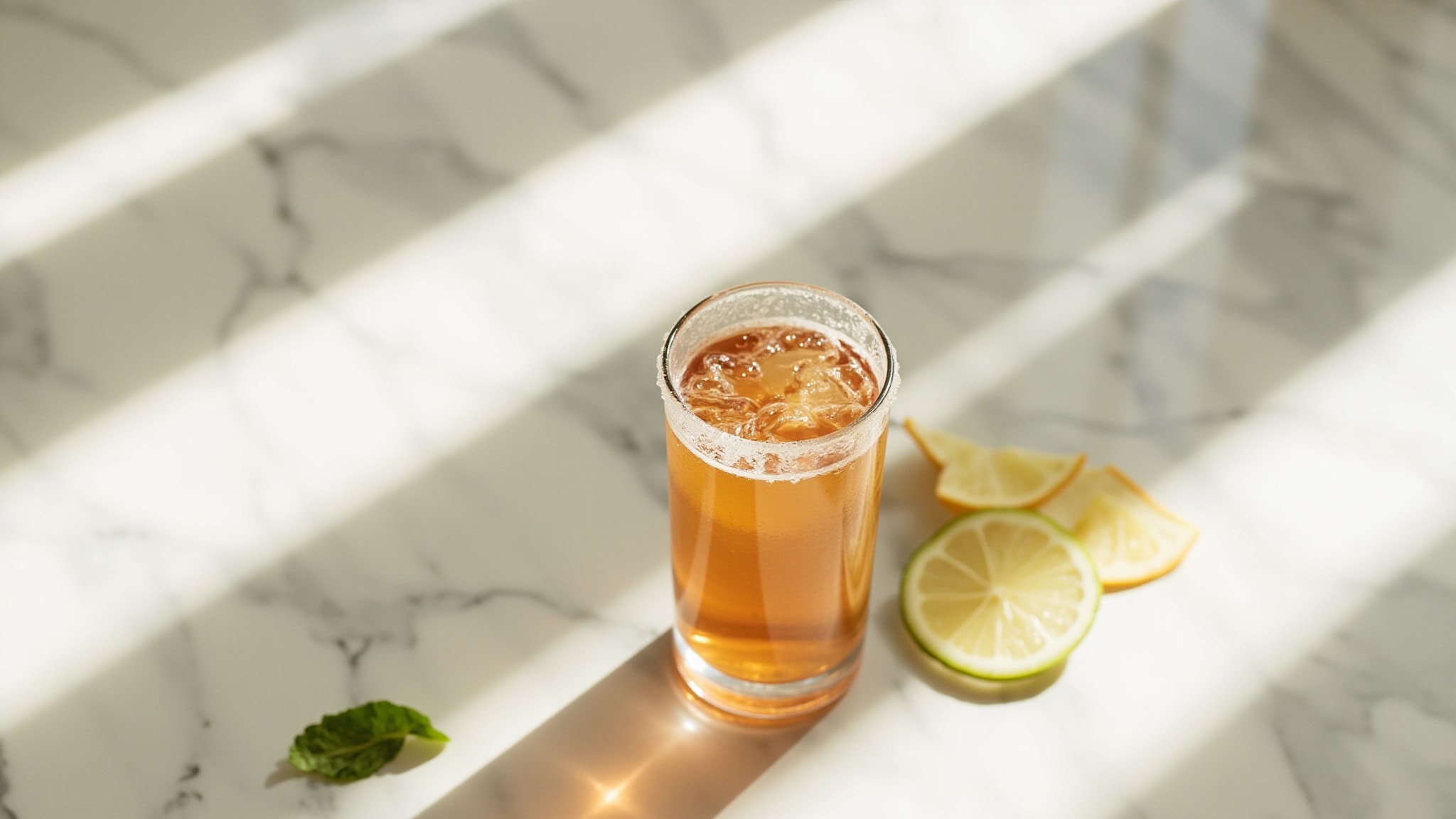
The opening hits fast, ginger, lime, and lemon surge upward on a wave of synthetic carbonation. That bubble effect is the tell. For about 15 minutes, it genuinely feels like you're inhaling the fizz off a fresh-poured glass. Then the carbonation lifts, and what remains is straightforward: ginger root, a whisper of sugar cane, and clean citrus. The drydown is minimal. Within 30 minutes to an hour, the skin returns to baseline. The ginger warmth lingers faintly for another 20 minutes before disappearing entirely.
Cultural impact
Gingerale is one of Demeter's most recognizable fragrances, proof that literal scent capture works when the source is iconic enough. The ginger ale mixer has universal recognition, which makes the fragrance immediately understood. Wearers either love the honesty or find it too simple, but no one mistakes what it smells like. In a market full of abstract compositions, that clarity is the point.