The Story
Why it exists.
The beginning
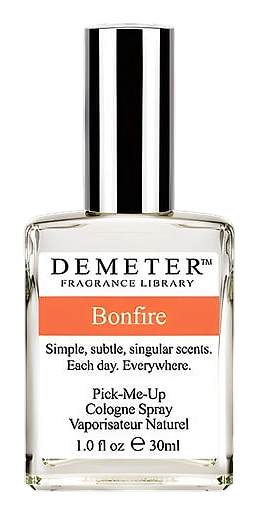
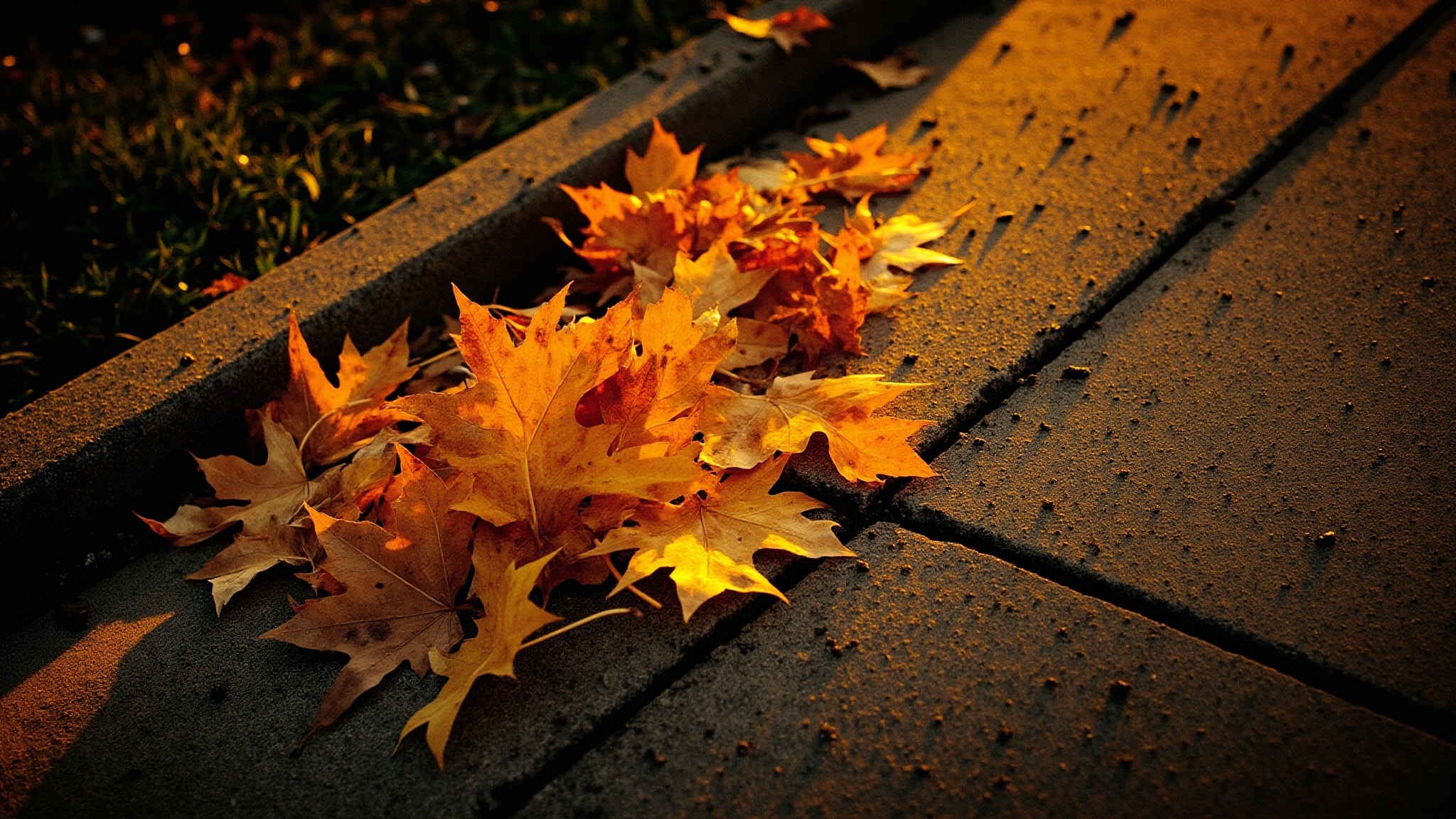
The idea came from a memory. Burning maple leaves in autumn. The northeast USA, where fall means raking leaves into piles and setting them alight. A cooler, crisp New England day. The smoke rising from those piles, the smell of dry leaves catching flame, that's what Bonfire translates into wearable form. Not a generic bonfire or fireplace, but specifically the scent of burning maple leaves on an October evening. Simple. Specific. Exactly what Demeter does. The fragrance opens with that same sharp, dry immediacy you get from stepping close to a burning pile, smoke curling into cool air. There's a rawness to it, a crispness that suggests the moment leaves catch flame, before the fire fully establishes itself.
What makes Bonfire unusual is its restraint. Where most fragrances layer multiple notes to build complexity, this one keeps things brutally simple. There's just charred leaves, but the execution is precise. The smoke doesn't smell like a fireplace or a campfire; it smells specifically like burning maple leaves, that particular green-and-brown scent of dry autumn foliage catching light. The result is a fragrance that functions more as an olfactory memory than a perfume. You smell it and you don't just think of autumn, you think of a specific autumn, a specific pile of leaves, a specific evening. That's the Demeter philosophy in its purest form.
The evolution
The opening hits quickly, there's no subtlety here, no waiting for bergamot or citrus to announce themselves. Charred leaves, full stop. The smoke arrives immediately, dry and sharp, like you've just walked past a burning pile on a sidewalk. Then it begins to shift. The harsh edge fades and what remains is warmer, rounder, the sweetness of maple wood coming through the char. This is the heart, still simple, still one-dimensional, but pleasant. The smell of a fire that's been burning for a while, not the initial ignition but the settled flames. As the fragrance moves forward, the smoke doesn't disappear entirely; it lingers in the background while the warmth of the wood deepens. The scent stays close, almost pressed close to the skin, like the smell that clings to a sweater after you've been near a fire. It's intimate, this isn't a fragrance that announces itself across a room.
Cultural impact
Bonfire occupies a specific corner of fragrance culture. It doesn't try to be sophisticated or rare. It just wants to smell like autumn. The fragrance is literal, direct, unapologetically simple. It doesn't perform complexity; it performs memory. For those who connect with it, Bonfire becomes something they reach for when the leaves turn and the air sharpens. The scent stays close to the skin, warm and intimate, with dry smoke and woody sweetness weaving together in a way that feels honest rather than constructed. It's the kind of fragrance people return to, not because it's complicated, but because it does exactly what it sets out to do.