Charred Leaves
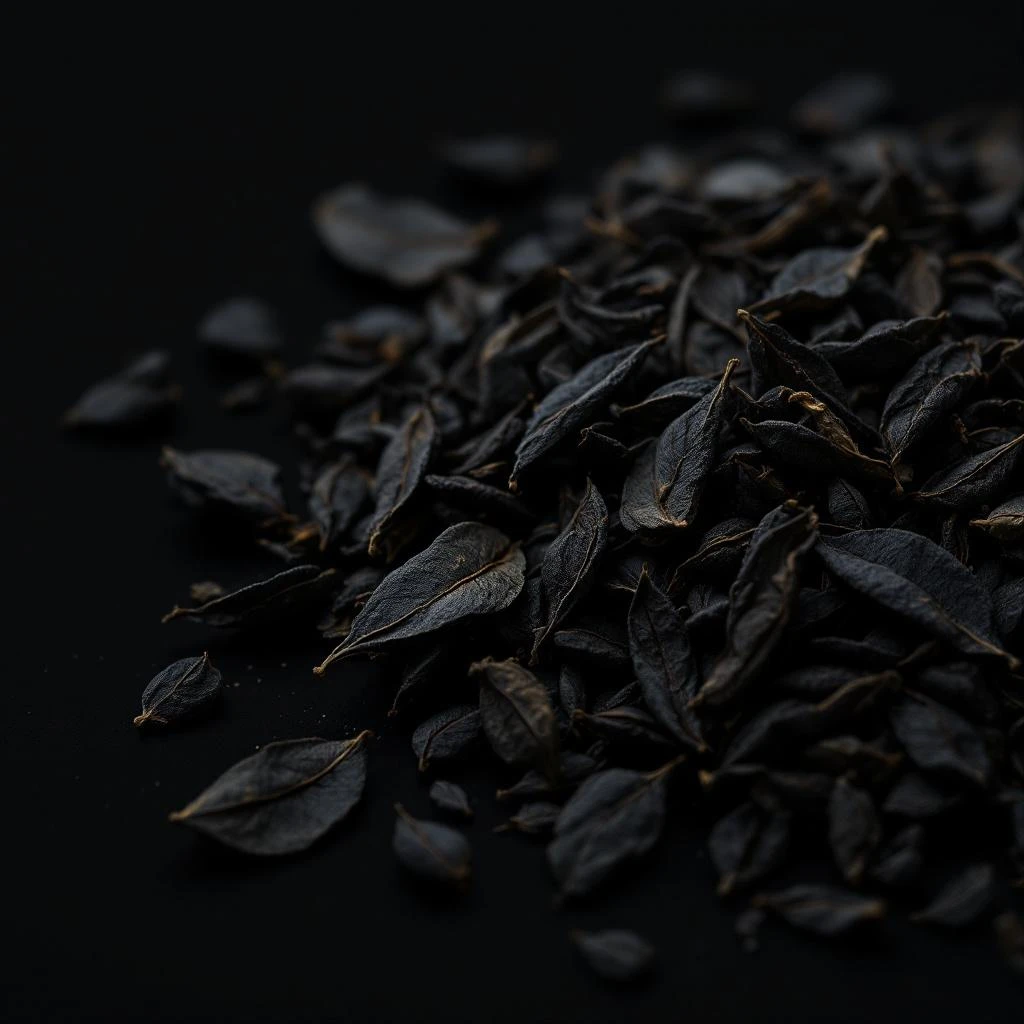
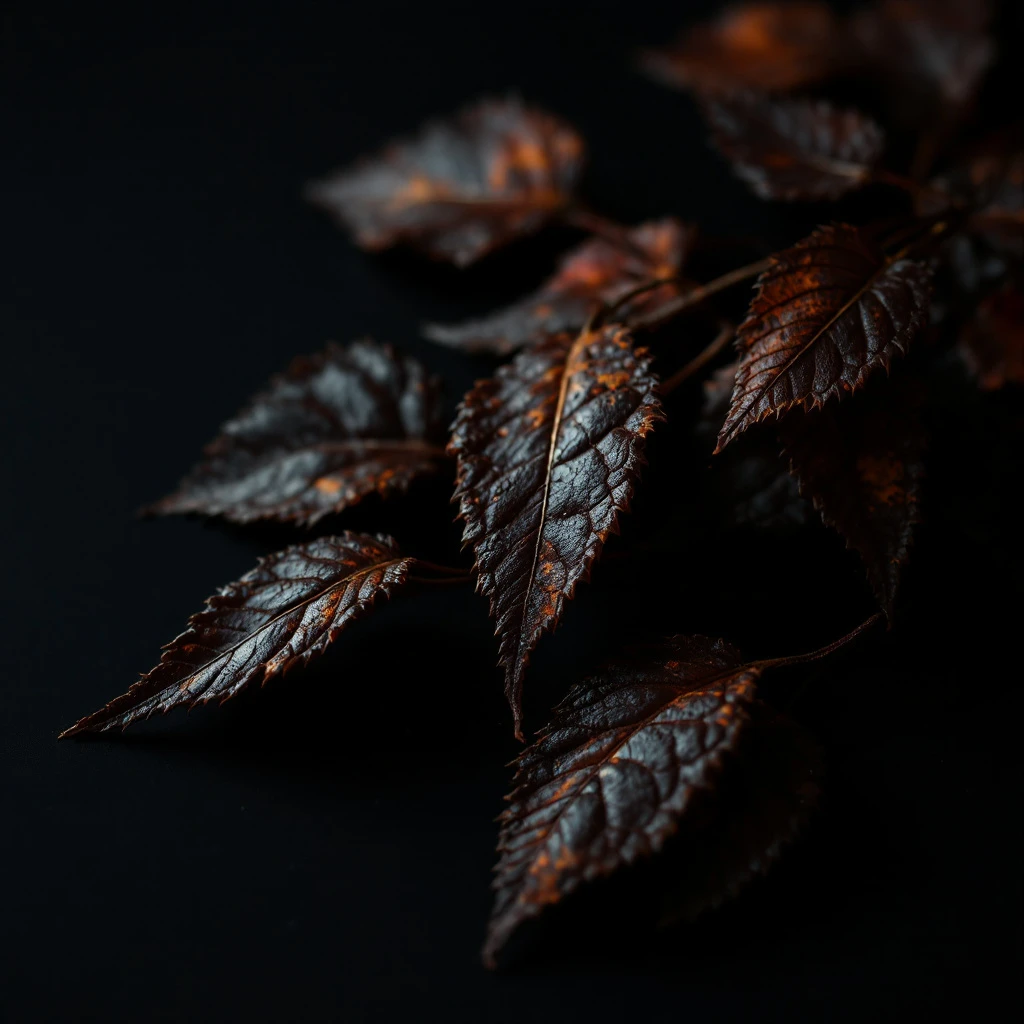
The scent of autumn's final act: leaves reduced to elemental carbon, their green life force transformed by fire into something ancient and primal. A note that speaks of campfires and harvest fires, of decay and renewal.
Character
How it smells
Carbon memories of autumn's last breath.
The same compound that gives charred leaves their distinctive aroma, guaiacol, also appears naturally in whiskey aged in charred oak barrels.
Pairs beautifully with
Origin
United States
Smoke has perfumed human rituals since antiquity. Mesopotamians burned resins and plant matter four thousand years ago, establishing smoke as humanity's first fragrance. Autumn leaf burning became embedded in agricultural cultures across Europe and East Asia, where burning crop stubble and fallen foliage served both practical and ceremonial purposes.
The smoky, carbonaceous quality represented transformation and purification. When perfumers began systematically studying smoke notes in the late nineteenth century, they drew from these deep associations. The Japanese tradition of burning maple leaves during autumn festivals influenced early twentieth-century perfumers exploring woody, smoky accords.
Modern autumn and fall fragrances, from chypres to woody compositions, invoke charred leaves as an olfactory shorthand for seasonal transition, memory, and the inevitability of change.
Wears it best
Fragrances featuring Charred Leaves
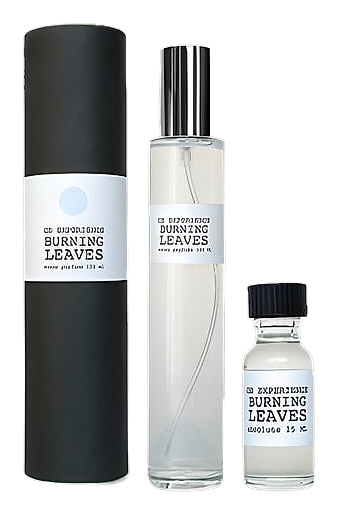
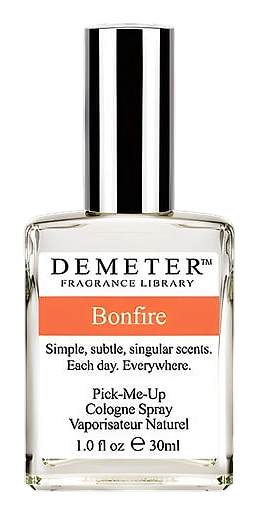
Brands
Brands known for Charred Leaves
Good to know
Questions, answered
The essentials on Charred Leaves in perfumery: how it smells, where it comes from, and how it behaves on skin.
What does charred leaves smell like?
Charred leaves smell like the aftermath of a bonfire: smoky, ashy, and carbonaceous with hints of burnt wood and dry earth. It evokes autumn evenings and the quiet aftermath of flame.
Is charred leaves a natural or synthetic ingredient?
It can be both. Natural charred leaf notes come from the controlled burning and extraction of dried leaves, while synthetic versions reconstruct the aroma profile using molecules like guaiacol and cresols.
Which perfumes feature charred leaves prominently?
Charred leaves appears frequently in autumn and fall fragrances. It commonly pairs with woody, leather, and tobacco notes in perfumes designed to evoke seasonal transition.
How does charred leaves differ from other smoke notes?
Unlike incense smoke or campfire smoke, charred leaves specifically evokes carbon, ash, and the particular sweetness of burnt foliage. It is drier and less resinous than frankincense smoke.
What extraction process creates charred leaf aroma?
Pyrolysis subjects dried leaves to controlled high temperatures in low-oxygen conditions, followed by solvent or steam extraction to capture the aromatic compounds released during burning.
Can charred leaves be combined with sweet notes?
Yes. Charred leaves contrasts beautifully with sweet notes like vanilla, honey, and caramel, creating the popular whiskey or bourbon accord found in many contemporary fragrances.
What is guaiacol and why is it important in charred leaf notes?
Guaiacol is the primary aromatic compound in charred leaf notes. It provides the characteristic smoky, phenolic character and occurs naturally in both charred plant matter and aged whiskey.
Does charred leaves appear in men's or women's fragrances?
Charred leaves is gender-neutral in modern perfumery. While historically associated with masculine fragrances, contemporary perfumers use it across all fragrance categories for its evocative, season-specific quality.