The Story
Why it exists.
The beginning
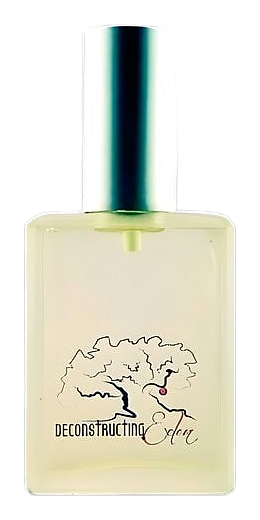
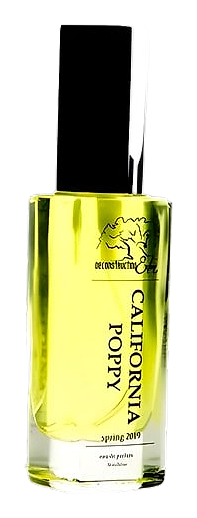
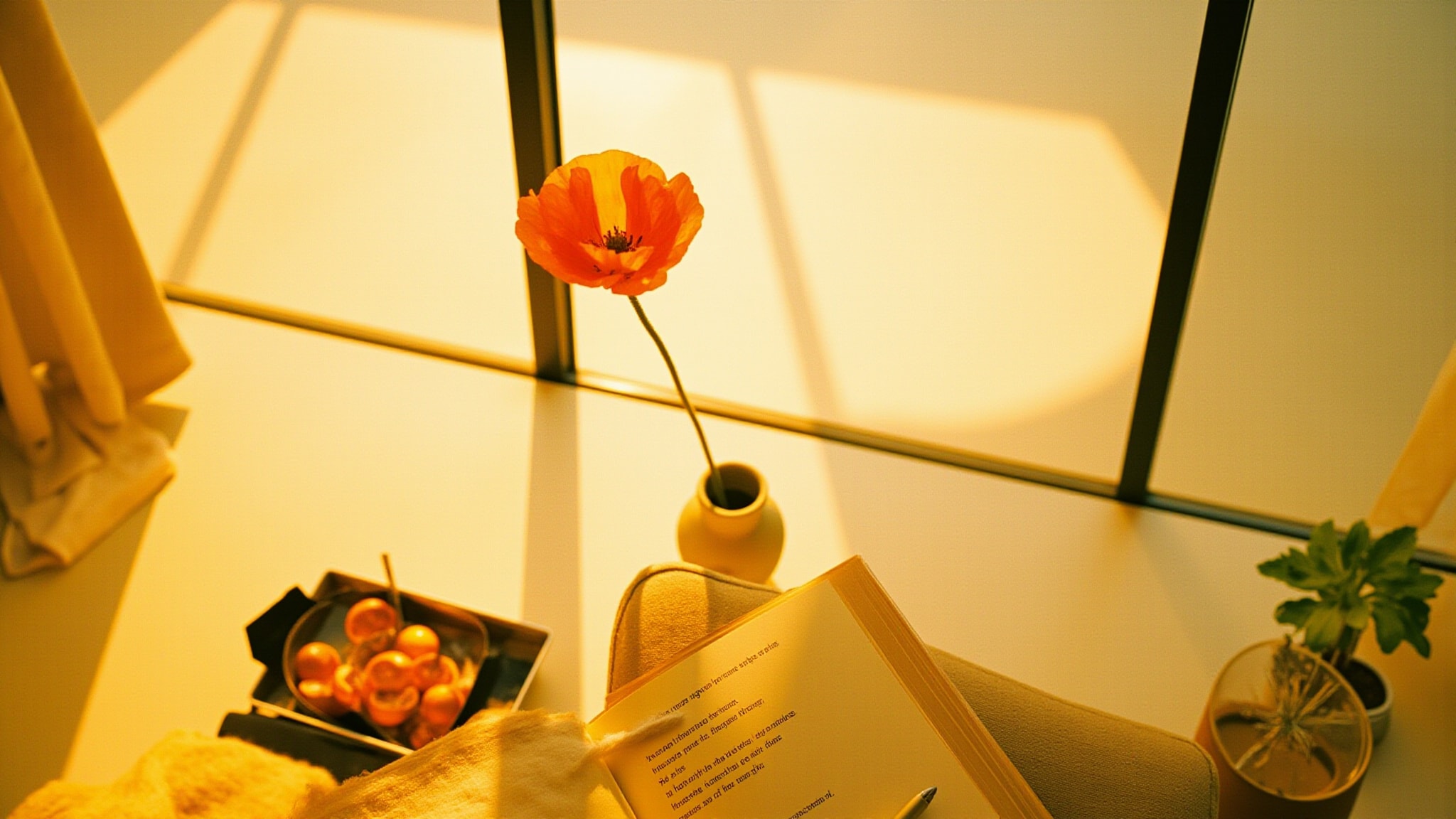
California Poppy launched in 2019, one of a handful of limited seasonal releases from Deconstructing Eden. The fragrance takes its name and its central image directly from the California poppy, papery orange-gold blooms whose brief annual display is one of the most recognizable sights in the state. The composition reads as a portrait of a specific kind of afternoon: the one where the wind drops, the low sun catches the petals, and everything feels briefly, perfectly held. It's a small, focused piece of perfumery, less a showcase of rare materials than an exercise in building a very particular mood from accessible building blocks.
What's interesting here is the material choice. Poppy isn't an extract you'll find everywhere, so the floral impression comes from a constellation of supporting materials: mimosa lending its powdery yellow softness, vanilla blossom adding nectarous depth, pollen contributing that dusty sweetness. The green leaves keep the whole thing from tipping into dessert territory. The way the notes interact, layering powder over green over a faintly sweet base, is what gives the scent its hazy, atmospheric quality.
The evolution
The first few minutes are green and a little sharp, with green leaves giving that just-crushed feeling you get from torn foliage. Underneath, the pollen is already working. By the 20-minute mark the mimosa arrives and the whole thing rounds out into that powdery golden sweetness, less a flower than a color. The vanilla blossom and nectar add a honeyed weight that keeps the powder from floating away. Around hour three or four, the green notes recede almost entirely and what stays is a soft, sweet, slightly creamy drydown, the vanilla and pollen holding the line. On clothes the next morning, a trace of that honeyed pollen lingers, faint but unmistakable.
Cultural impact
California Poppy sits in a quiet corner of the perfume world, the kind of composition where the concept drives every choice. It wears as gently as its source material suggests, which tends to attract people who don't need their fragrance to fill a room. There's a particular pleasure in a scent that doesn't demand attention, and this one seems to know exactly how much space it wants to take up.