The Story
Why it exists.
The beginning
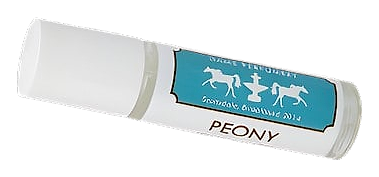
Jeffrey Dame built his Soliflore line on a simple idea: one flower, done right. The concept was uncomplicated from the start, capture a single bloom at its most lifelike moment, without the usual perfume scaffolding to prop it up. Soliflore Peony joined that series in 2016, part of a small, focused exploration of what a soliflore can be when it refuses to lean on anything else. The challenge with peony is that it barely exists in nature. Unlike rose or jasmine, peony offers almost nothing to the perfumer's palette. No real essential oil, no meaningful extraction. What you smell in a garden is the flower itself, water-heavy, dewy, air-wrapped. Translating that into a bottle means building the impression from other ingredients and letting the illusion carry.
What's interesting here is the negative space. Most florals layer on supporting notes to compensate. Soliflore Peony strips that away, forcing the composition to do the work alone, and that constraint is precisely what makes it work. The scent can't hide behind volume or sweetness. It has to feel cold and alive and present in a way that busier compositions avoid. There's no amber base pulling focus, no vanilla haze rounding off the edges, no woody undertone lending it gravity. The structure is almost architectural in how little it carries.
The evolution
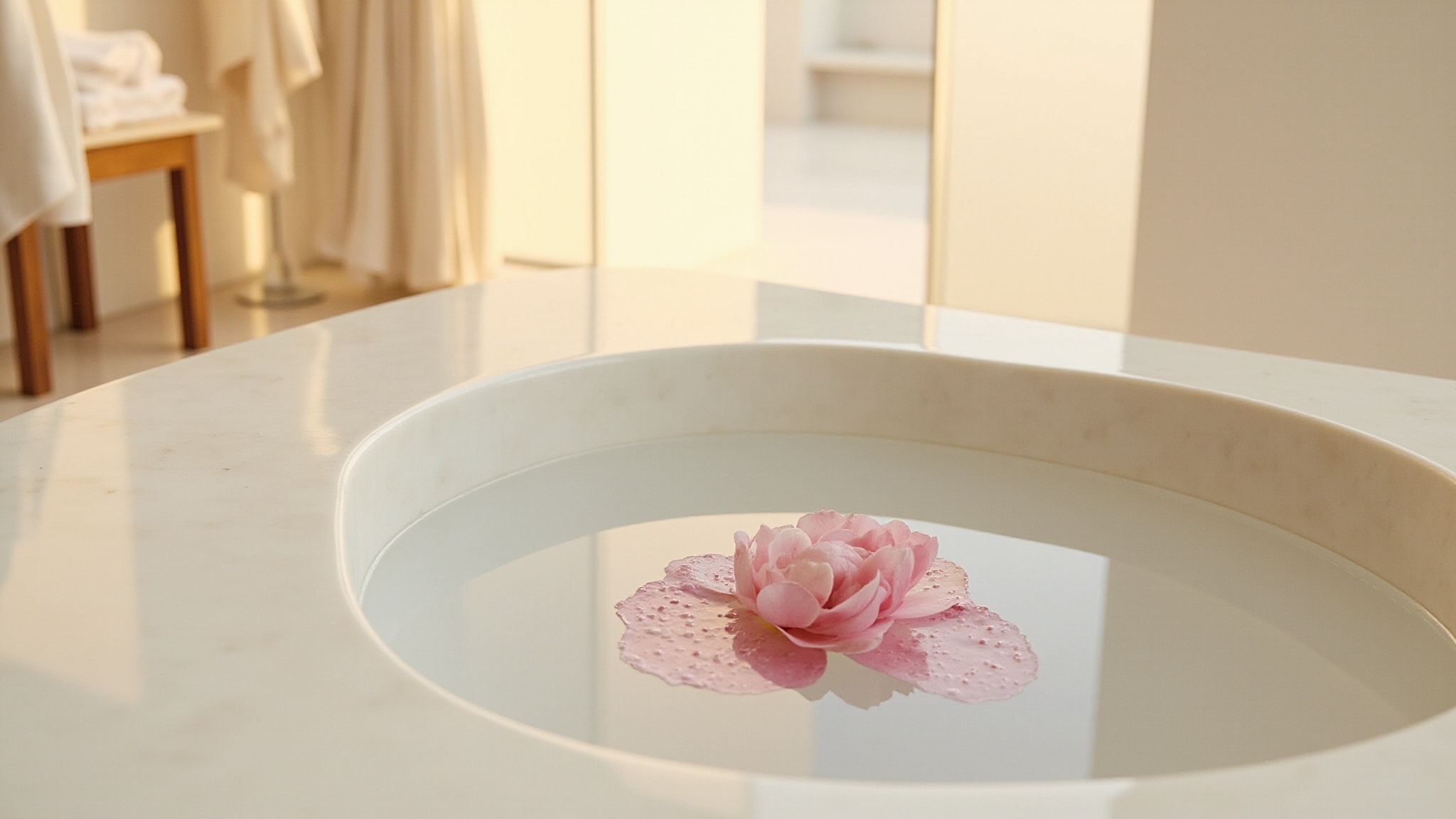
On skin, Soliflore Peony starts cold, almost startlingly so. The first few minutes carry a watery clarity that doesn't smell like any traditional top-note accord. It's the sensation of snapping a stem, the rush of green sap and chill air hitting at once. No citrus sparkle, no aldehyde lift. Just wet. That dewiness holds well into the opening, longer than most compositions built around a single floral note manage, before the heart really announces itself. When it does, it arrives pink: lush but not sweet, with a faint soapy edge that keeps it from going cloying. One reviewer described the impression as kinda rosy, kinda lily-ish, which captures the breadth of what the fragrance suggests even though the note list names only peony. The scent reads broader than a single stem, closer to what a loose handful of fresh-cut blooms might smell like, still dewy, still cool, but fuller.
Cultural impact
Soliflore Peony has carved out a quiet following among collectors who already know the usual suspects in the peony category and want something that approaches the flower differently. The fragrance doesn't announce itself the way many modern florals do, and that's part of what draws the audience it does. Within niche fragrance circles, where soliflores are often discussed as exercises in restraint, Peony tends to come up as a touchstone for the form: a single bloom rendered without the usual scaffolding, and rendered convincingly.