The Story
Why it exists.
The beginning
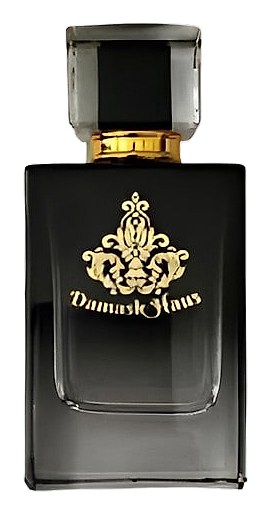
Witchberry arrived in 2020 as a composition by Bri Beyer for Damask Haus. Rather than letting berries lead a sweet, syrupy composition, she anchored them against benzoin, gurjan balsam, and teakwood, materials with real weight. The effect is deliberate. The fruit is pulled down into something earthier, where the resin and wood do most of the talking. The cardamom does the sharper work, cutting through the resin density so the red berries never feel candy-like. There's a controlled sweetness at play, built from materials that each pull their weight in the structure. The berries read ripe and a little tart at the top, almost fruit-cordial bright, but the moment they meet benzoin the whole composition tilts toward something warmer and more grounded.
What makes Witchberry structurally interesting is the choice to build around only six materials, and to let several of them run through more than one layer. Benzoin, amber, cardamom, gurjan balsam, red berries, and teakwood recur across the heart and base, anchoring the composition to a tight palette instead of a sprawling pyramid. Gurjan balsam is the less common choice here. It's a resin from Southeast Asia with a smoky, balsamic character that sits between frankincense and benzoin in feel. Using it alongside benzoin gives the base a layered resin quality rather than a single-note sweetness. Teakwood adds a dry, almost leather-tinged woodiness that keeps the whole thing from tipping into full gourmand.
The evolution
The first fifteen minutes belong to the red berries. They arrive ripe, slightly tart, lifted by the brightness of cardamom. There's a fruit-cordial quality here, but the cardamom keeps it savory-edged rather than syrupy. Around the 30-minute mark the resin layer begins to surface. Benzoin brings a vanilla-adjacent warmth, and the gurjan balsam underneath adds something smoky and almost medicinal, in the best way. The berries don't disappear. They sink deeper into the composition, becoming jammy and dark rather than fresh. By the second hour Witchberry has settled into its core identity: a warm amber-resin with wood structure underneath. The teakwood shows up quietly through the middle, giving the drydown a dry, almost rubbed-leather feel.
Cultural impact
Witchberry pulls berries away from sweetness and into something closer to dark amber with a bite. The composition reads fruit-forward on first application, but the resin layer underneath reshapes that impression quickly. For anyone used to thinking of berry fragrances as light or syrupy, Witchberry reframes what that note can do when it's anchored to benzoin and gurjan balsam. The teakwood in the base gives the drydown a grounded, almost woody-leather character that lingers. It's a wearable composition that still feels distinct, holding its own character without leaning on the conventions of mainstream fruit fragrances.





















