
The Story
Why it exists.
The beginning
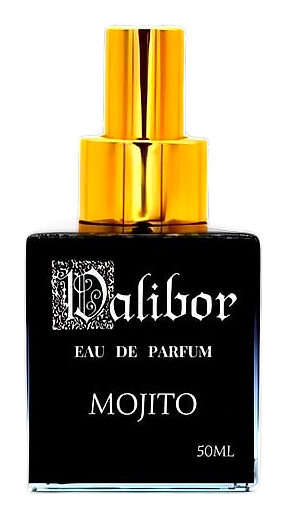
The mojito is one of those drinks with a contested backstory, Cuban, Jamaican, some combination of both. But the idea is always the same: something cold, bright, and slightly dangerous on a warm night. Mojito the fragrance takes that premise and asks a simple question: what if you could wear it? Diego Silva built this one around a green-fresh heart. Mint and lime open the composition with the kind of sharpness that reads almost effervescent, like the first sip over cracked ice. The rum doesn't try to replicate a bar shelf. It adds warmth, a boozy depth that rounds out the citrus sharpness into something that feels like an actual cocktail, not a reconstruction. Floral notes appear quietly, lifting rather than dominating.
The real interest here is in how the top notes work against each other. Mint and lime are both sharp, but they sharpen differently, one is aromatic and cold, the other is bright and tart. Rum works as a bridge between them: the warmth softens the citrus edge, the alcohol note echoes the mint's herbal character, and the combination creates something that feels genuinely fresh rather than just clean. The woody base reads as aromatic rather than heavy, keeping the overall composition from feeling one-dimensional.
The evolution
The opening is fast and clean. Mint and lime arrive together, but they don't blend, they vibrate against each other, cold and tart, with a slight medicinal clarity that reads as freshness rather than antiseptic. Then the rum arrives. It deepens the green, adds weight to the sharpness, and the composition starts to feel like an actual drink rather than a note list. The lime stays, tart, insistent, while the mint softens into something more herbal. The florals appear quietly in the background, not yet necessary, already interesting. By the drydown, the mint has mostly retreated. The florals take their place, becoming more apparent as the green notes recede. Cedar and musk dominate the base: soft, woody, with a rounded quality that gives the whole thing a closeness.
Cultural impact
Mojito sits in a specific corner of the fragrance world, fresh, aromatic, rum-adjacent compositions that aim for something other than clean soapy freshness. What separates it is the mint-forward opening. Most rum fragrances use the note as a supporting element. Here, it's the headline. That makes Mojito a specific proposition: for someone who wants the cocktail experience, not the approximation.
The House
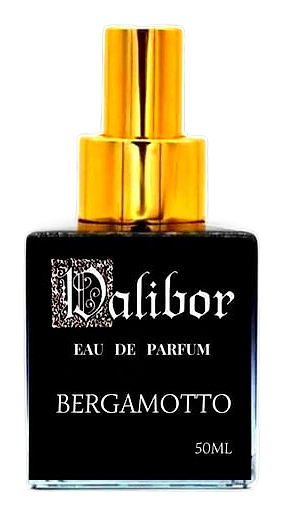
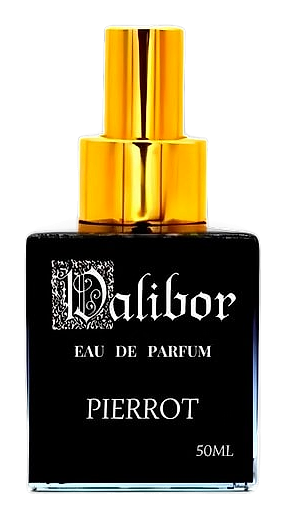
Dalibor ParfumsDalibor Parfums presents an expansive fragrance wardrobe built around vivid moods, places and characters. Its catalogue includes Pierrot, Mojito, Cuore Freddo, Aqua du Póete, Bergamotto, Baikal 1642, Maldivas, Château, Gigoló and Marbella. The names suggest a house interested in storytelling through scent, pairing expressive concepts such as the poetic, the romantic and the playful with geographic references that range from Baikal to Marbella. Available research does not identify a founding date, founder, perfumer or official house website, so the brand profile is grounded in its documented fragrance catalogue rather than assumptions about its origins.
The Creator
Diego SilvaSilva’s signature lies in the tension between structure and surprise. His fragrances appear suited to careful construction, with distinct layers and a clear progression from opening impression to lasting drydown.