






Heritage
A house, in its own words
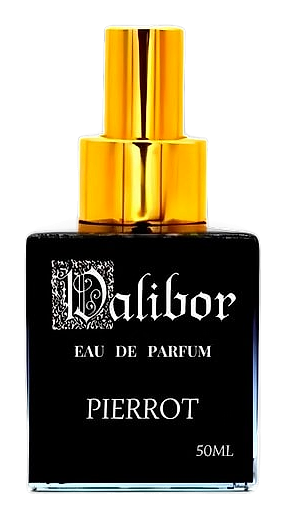
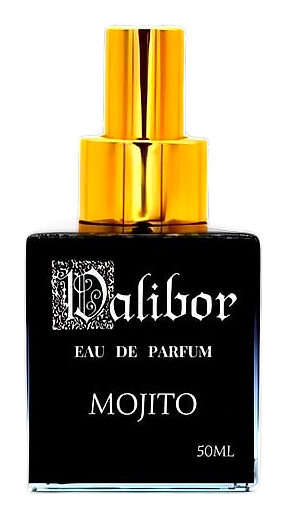
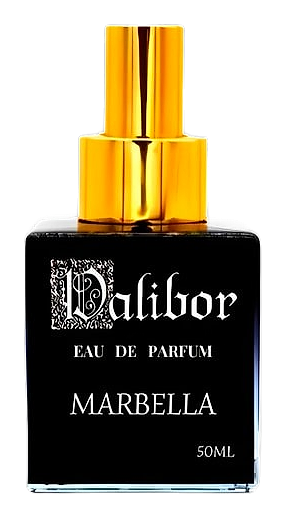
Dalibor Parfums appears to be a relatively young fragrance label, with the available catalogue centered on releases dated 2022. That dating provides a clear point of reference, but the supplied research does not establish who founded the house, where it was founded or how it developed. Its names offer clues to its creative framing. Pierrot evokes the theatrical figure from the commedia dell’arte tradition, Aqua du Póete suggests a literary or imaginative atmosphere, and Cuore Freddo uses the Italian phrase for a cold heart. Other titles draw on leisure and travel imagery, including Mojito and Marbella, while Baikal 1642 points toward Lake Baikal and a specific historical year. These references make the catalogue feel like a collection of scenes and personas rather than a single, narrowly defined olfactory family. It is tempting to treat these names as evidence of an Italian creative heritage, but the sources provided do not confirm a country of origin or a formal lineage. Accordingly, the house’s history is best described through the breadth of its 2022 releases and the distinct worlds its titles evoke. Further archival and retailer research would be needed to document its founders, launch period and geographic roots with confidence. The clearest expression of Dalibor Parfums’ philosophy comes from the way its fragrances are named. Instead of relying solely on conventional ingredient descriptions, the house uses titles that open an imagined setting. Pierrot brings theatrical melancholy into focus. Mojito suggests refreshment and social ease. Cuore Freddo turns romantic feeling into an Italian phrase, while Aqua du Póete links fragrance with imagination. Baikal 1642 anchors a composition in a place and year, and Maldivas extends that sense of escapism toward a tropical island setting. This approach allows each perfume to function as both an olfactory object and a point of entry into a larger narrative. The catalogue also moves between apparently opposite registers, from the coldness implied by Cuore Freddo to the warmth of Chateau and the exuberance of Gigoló. Such contrasts suggest a house interested in character, memory and mood. No independent material in the supplied research identifies a written manifesto, stated sourcing policy or named creative director, so those aspects remain undocumented. The names and release pattern support a careful but bounded reading: Dalibor Parfums frames perfumery as a form of scene-setting, with each creation inviting association through a title, place or cultural reference.