
The Story
Why it exists.
The beginning
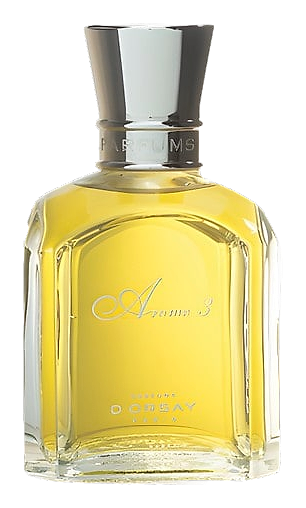
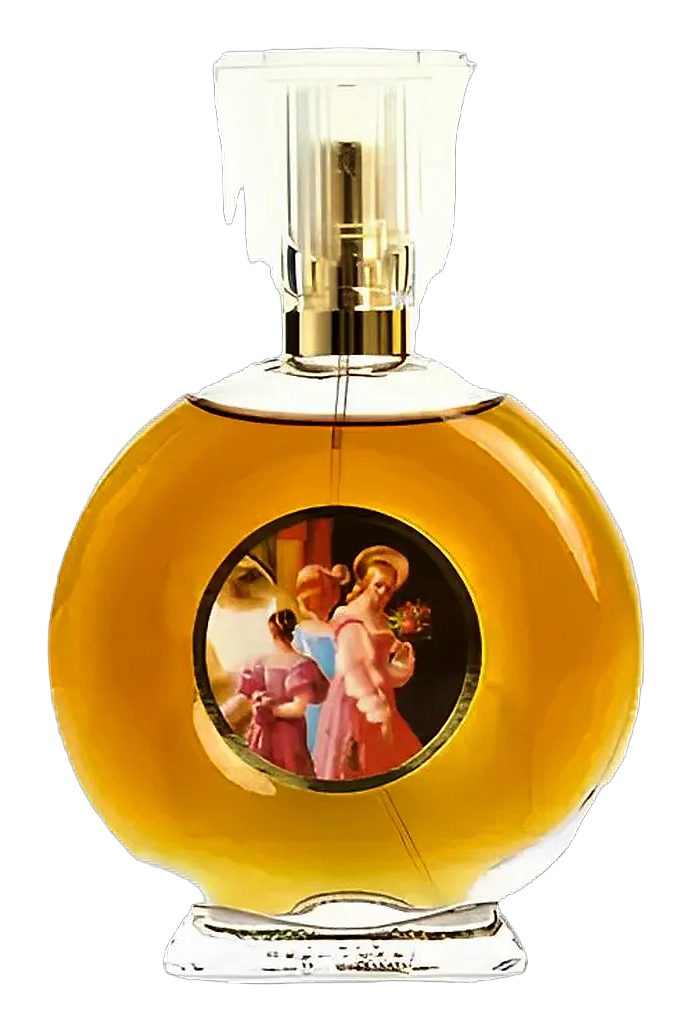
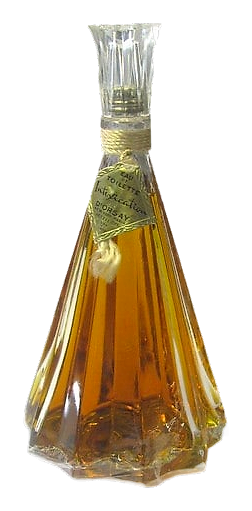
Paris, 1938. The city was still drunk on the decade before, still building toward a war that nobody wanted to name. Somewhere in a D'ORSAY atelier, a perfumer assembled something called Intoxication and let it loose without apology. The name said everything. Someone beautiful just passed by. Someone wearing Intoxication. The advertising copy from the era didn't bother with poetry. It stated a fact. You smelled it. You knew. What made it work then, and what keeps it interesting now, is the structure: a chypre built the way chypres used to be built, before IFRA tightened oakmoss tolerances and houses started reformulating for safety over soul. This is the real thing. Warm resin at the opening, a floral heart that stays powdery rather than sweet, and a mossy-amber base that pulls everything toward earth. Not green earth. Old earth. The kind that remembers footsteps.
The note pyramid here is lean by design. Styrax, citrus, florals, amber, oakmoss. That's the whole architecture, and the restraint is part of the point. Modern fragrances layer accord over accord until nothing stands alone. Intoxication lets each phase arrive and speak before ceding the stage. What makes it distinctive is the styrax. Not the styrax of incense or church, warm, balsamic, slightly animalic. It's the styrax that opens the composition and announces, before the citrus shows up to sharpen things, that this isn't trying to please everyone in the room. The citrus is quick. A few minutes of brightness, then gone.
The evolution
The opening hits warm and resinous. The styrax arrives first, thick with honey-tobacco undertones, followed almost immediately by a citrus brightness that doesn't so much lighten the composition as sharpen its edges. For the first twenty to thirty minutes, you're wearing something that feels both luxurious and slightly illicit. The warmth of the resin, the brightness of the citrus. It's the smell of a decision being made. Then the florals arrive. Slowly. Not a transition so much as a dissolving, the citrus recedes and the powdery floral heart takes its place, soft and familiar in a way that feels earned rather than obvious. This is the longest phase of the fragrance's life on skin. The powder is not sweet. It's the powder of face powder, of vintage vanity tables, of something precious that's been handled for years. Violet might be hiding in there. Might not. The notes don't matter as much as the texture. The oakmoss arrives quietly, somewhere around the two-hour mark, and the amber follows.
Cultural impact
Intoxication belongs to the generation of French chypres that defined the 1930s and 1940s, a period when perfume was an event, not an accessory. The fragrance has outlasted its era of intended wear, surviving discontinuation through collector interest and a small but devoted community who seek it out specifically for its vintage character. Modern chypres have been reformulated to within IFRA safety guidelines. This one hasn't been. For wearers who understand what that means, Intoxication is a rare access point to pre-reformulation French perfumery. The discontinued status has made it harder to find, which has only sharpened its appeal among those who've learned what they're looking for.