
The Story
Why it exists.
The beginning
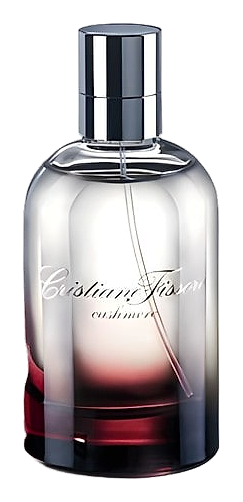
Cristiano Fissore built the Cashmere series around a deceptively simple question: what does softness actually smell like? Not gentle, not weak, soft the way cashmere is soft, which has weight and warmth behind it. Launched in 2007 alongside its feminine counterpart, Cashmere for Men arrived as a counter-argument to everything loud in fragrance. The Italian house chose intimacy over announcement, comfort over conquest. The name is the concept: wrap the wearer in something they want to keep.
Cashmere Wood, the synthetic aromatic molecule that carries the weight of the name, is the structural surprise here. In 2007, it read as modern and slightly unresolved, neither fully natural nor conventionally synthetic. Combined with teak and guaiac wood, it creates a blonde woody warmth that sits between clean and warm. The pink pepper keeps it awake. The amber keeps it human. What could have been a scent pillow becomes something with just enough edge to stay interesting.
The evolution
The opening hits cool and bright, bergamot first, then pink pepper's clean sting. The citrus retreats fast, leaving the pepper to lead for twenty minutes or so while the cashmere wood emerges. That's when the cashmere promise starts to make sense. The woods don't project, they settle, close to the skin, amber and cedar wrapping the pink pepper down. By hour two, it's intimate. A whisper of cedar and white musk that evolves into something worn-in rather than worn-out. On fabric, the cashmere wood hangs around for a day or two, softer than it was but still warm. Most users get 6-8 hours. The sillage never becomes loud, it was never going to.
Cultural impact
The Cashmere series found its audience by refusing to compete. For wearers who wanted something private, personal, and resistant to the room-filling projection of the era's mainstream, it became a quiet cult choice. Discontinued now, it persists in the memory of those who found it, a scent for the commute, not the club.