The Story
Why it exists.
The beginning
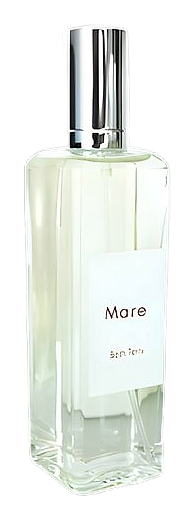
Mare means the sea. Beth Terry named her 1997 fragrance for exactly that. Three ingredients. Avocado, sea salt, lily. Salt carries the aquatic character. Lily softens it. Avocado grounds the whole thing in something green and unexpected. No elaborate pyramid, no marketing language. The name is the whole story. Mare is the sea. The sea is what you smell. The Element collection followed, and later Vita. Mare remains a work that collectors remember for its refusal to conform. It asks you to pay attention to what remains when the rest is stripped away. The sparse structure invites contemplation. Here is a fragrance that trusts its materials enough to use only three, and trusts you enough to notice the difference between a note that fills space and one that simply exists.
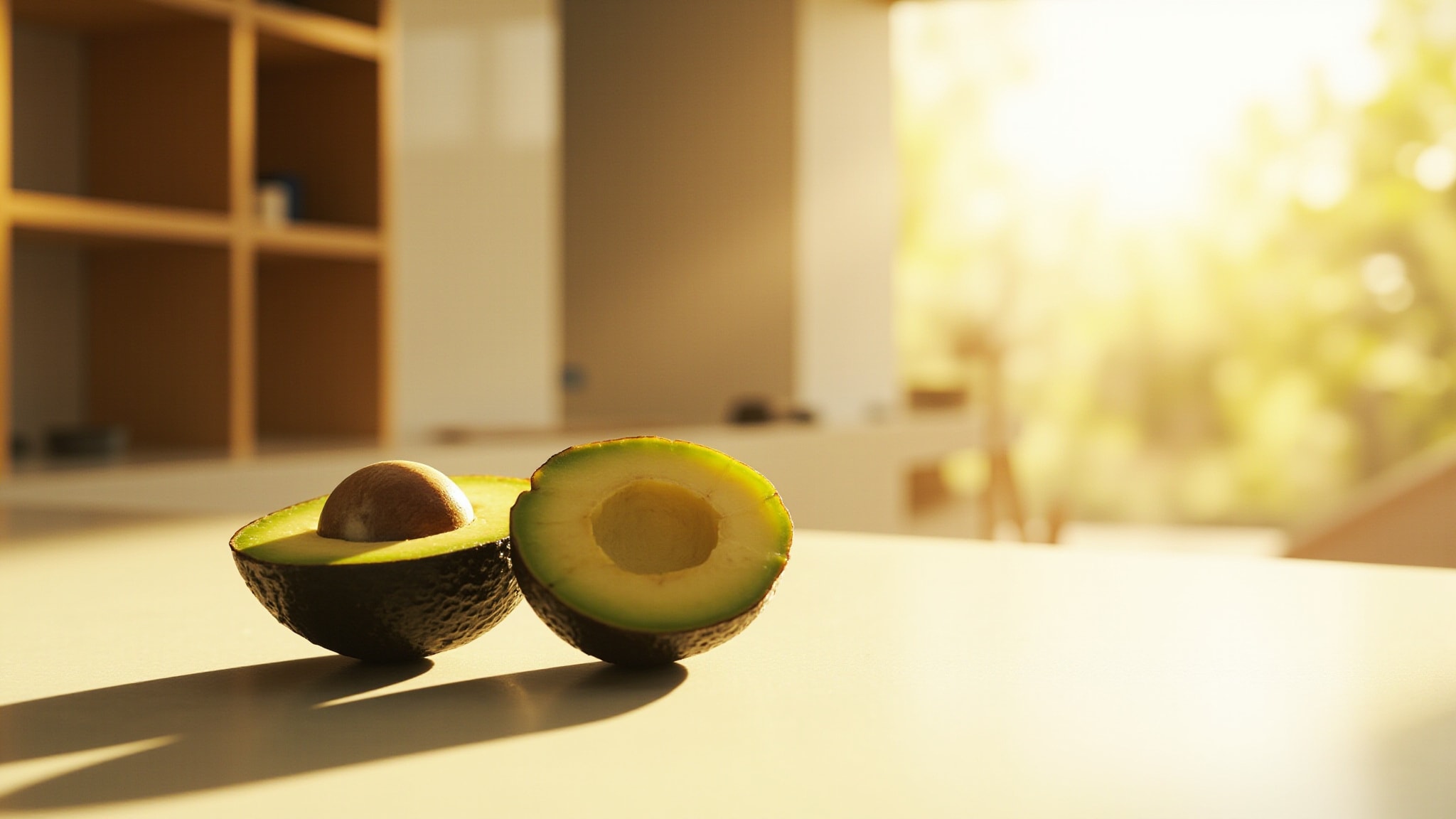
The note structure here is the statement. Avocado brings a fatty, green quality that most marine fragrances avoid entirely. Sea salt provides an aquatic character that reads as literal mineral rather than synthetic approximation. Lily is a white floral that reads more like quiet warmth than traditional florality. Together they form something that smells like the ocean without anything you would find in a conventional marine fragrance. This is what makes the composition unusual. Most aquatics rely on a particular set of synthetic materials to suggest water.
The evolution
The opening announces avocado first. Green without the usual citrus brightness. A clean, herbal sharpness that does not apologize for being unusual. Thirty minutes in, the sea salt takes over. This is where the fragrance earns its name. Mineral quality that moves across the skin like air across warm rock. The lily arrives quietly, threading through the salt with something waxy and white. It softens the heart without sweetening it. The drydown is where the sparse structure becomes apparent. As the salt fades, what remains is a faint impression of lily and avocado on warm skin. Close. Almost intimate. There is no blockbuster base here, no heavy woods or resins to anchor the drydown. On clothing the trace lingers longer, salt-memory rather than salt-actual. This is a fragrance that leaves before you expect it to, and stays in memory long after.
Cultural impact
Mare arrived as an unusual green-aquatic with a three-note structure and an avocado-salt combination that distinguished it from the broader fragrance landscape. The composition offered something different: green instead of ozonic, mineral instead of synthetic, sparse instead of layered. Collectors who encountered it found a fragrance that refused the expected conventions of marine fragrance design. Mare is now discontinued. For those who remember finding it, the memory carries weight. It occupies a particular corner of fragrance history, worth knowing about even if you never find the bottle.