



Heritage
A house, in its own words
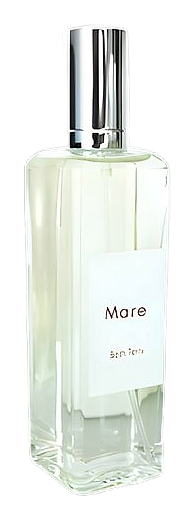
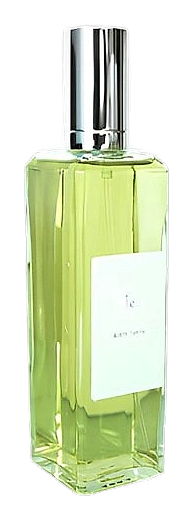
Beth Terry launched Creative Universe in 1997 from California, establishing herself as both founder and sole perfumer for the house. Her debut year brought two initial releases: Mare and Te, both marking her entry into professional perfumery. The timing positioned her among independent American perfumers emerging during a period when artisan fragrance houses were gaining renewed attention from collectors seeking alternatives to mainstream luxury brands. Terry reportedly became the first perfumer to create a green fragrance, according to commentary from industry commentators discussing her early work. This milestone, while not independently verified across multiple sources, appears in fragrance community discussions about her contributions to American perfumery. The Element collection followed in the mid-2000s, with Element of Surprise arriving in 2004 and Element of Desire in 2006. A retail presence operated in St. Helena, Napa Valley, offering the house's catalog directly to visitors in wine country. This physical location has since closed, and the brand currently operates with limited availability, shipping remaining preserved perfumes to customers in the United States only. The closure of the Napa Valley boutique marked a shift toward a more subdued commercial presence, with the house continuing to serve dedicated collectors rather than pursuing broad market expansion. Beth Terry's approach to perfumery centers on direct authorship, with her hand present from initial concept through final formulation. By serving as her own perfumer rather than commissioning external nose talent, she maintains complete creative control over each release. This structure produces fragrances that reflect a singular artistic vision rather than market research or commercial considerations. The sparse note structures in her compositions, exemplified by Mare listing only three ingredients, suggest a philosophy favoring clarity and intentional restraint over complexity. Terry's work occupies the intersection between artistic perfumery and accessible wearability, creating scents that engage collectors while remaining suitable for regular use. The Element collection demonstrates her interest in exploring thematic territory through fragrance, with titles suggesting emotional or psychological territories rather than purely olfactory descriptions. Her position as an independent American perfumer rather than a large corporate house shapes practical decisions about production scale, ingredient sourcing, and catalog management. The limited availability of her perfumes today reflects operational realities rather than deliberate scarcity marketing, as evidenced by the closed retail location and current shipping restrictions.