Avocado
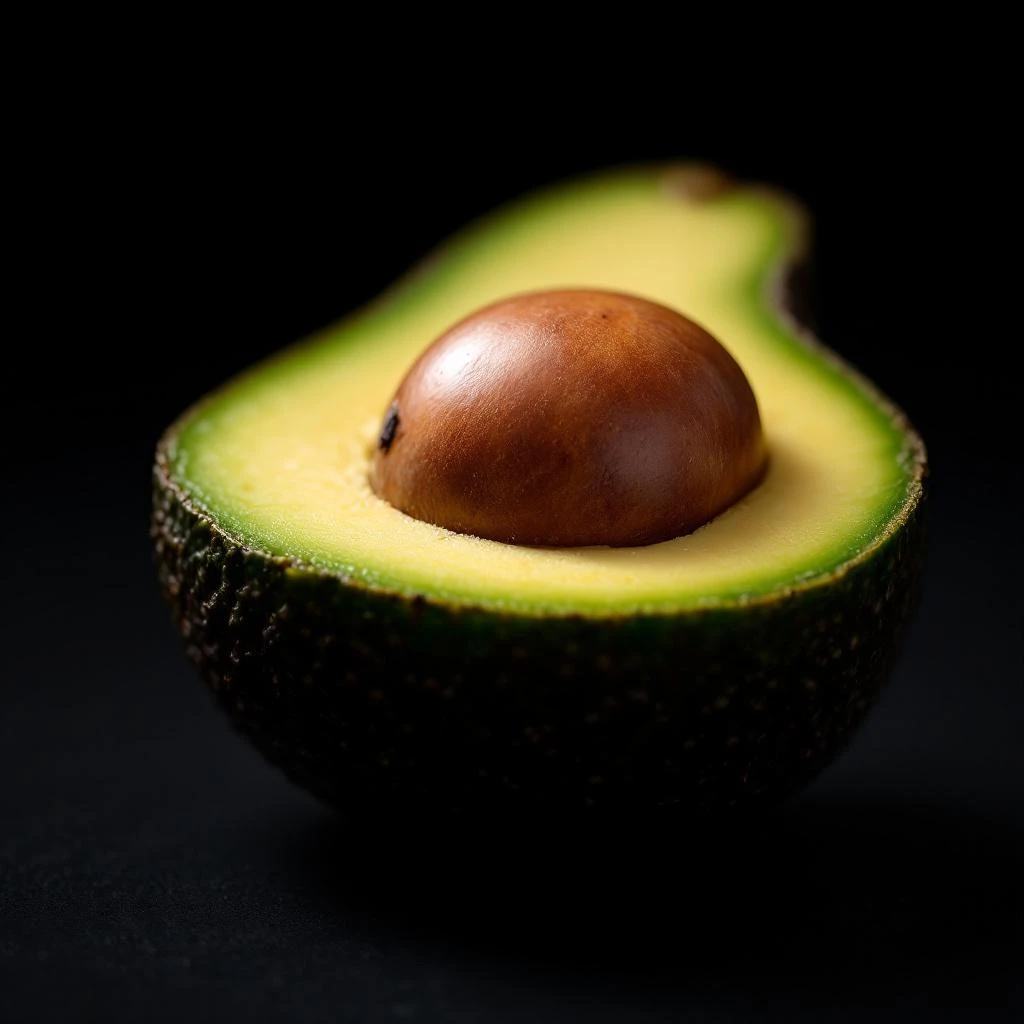
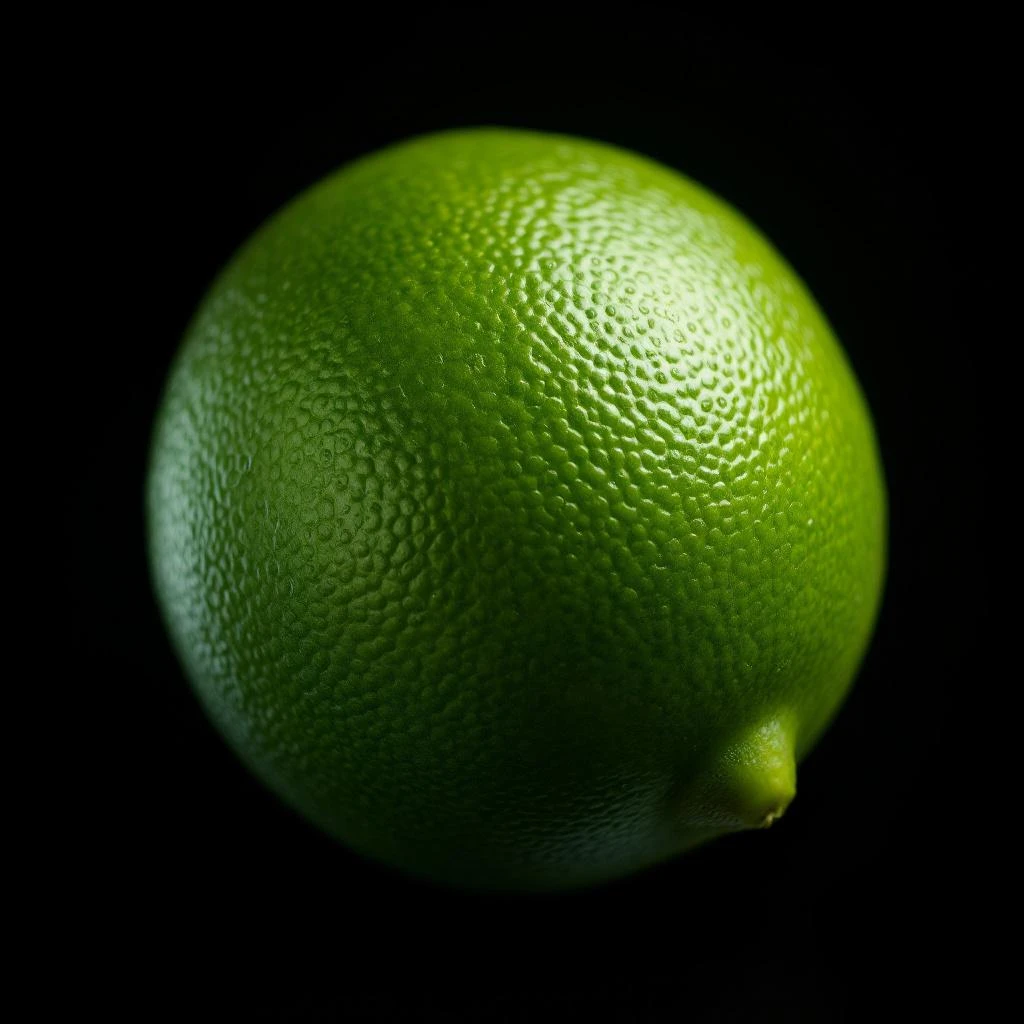
Avocado offers a creamy, green nuance that softens sharp accords, delivering a subtle vegetal richness prized by modern perfumers. Its buttery texture and faint nutty undertone evoke the fruit’s flesh, making it a versatile bridge between bright top notes and deep woody bases.
Character
How it smells
Creamy green richness in a single fruit.
Avocado trees can live over 500 years, and the fruit’s oil contains more monounsaturated fat than olive oil, a rarity among tropical crops.






Origin
Mexico
Avocado, native to the highlands of southern Mexico, first appeared in ancient Mesoamerican cosmetics. Archaeologists uncovered avocado pits in burial sites dating to 5,000 BC, indicating the fruit’s early role in skin care and ritual scenting. Spanish colonists introduced the fruit to Europe in the 16th century, but its aromatic potential remained largely unexplored until the early 20th century, when perfumers began experimenting with cold‑pressed oils for their smooth, green character.
The 1970s saw avocado absolute emerge in niche fragrances, offering a creamy counterpoint to sharp citrus and aromatic herbs. Today, avocado remains a specialty ingredient, valued for its ability to soften compositions and add a subtle vegetal depth that modern consumers appreciate.
Wears it best
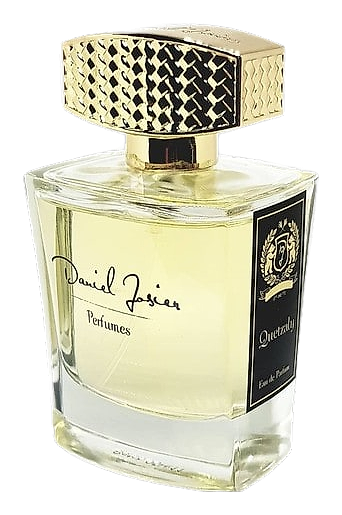
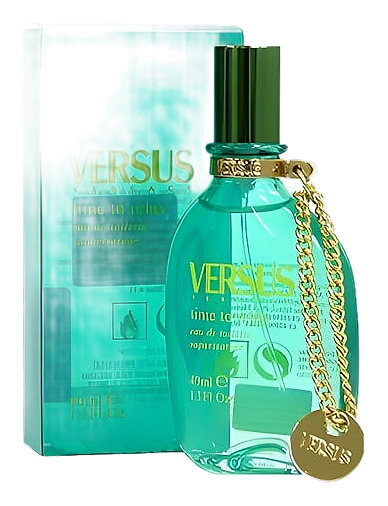
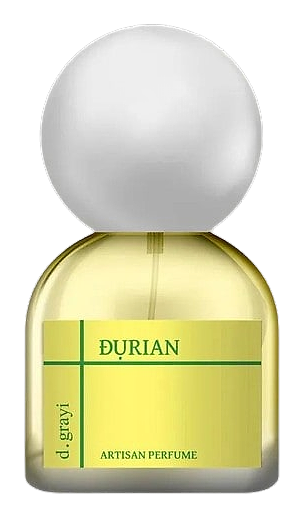
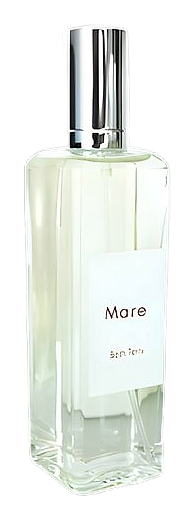
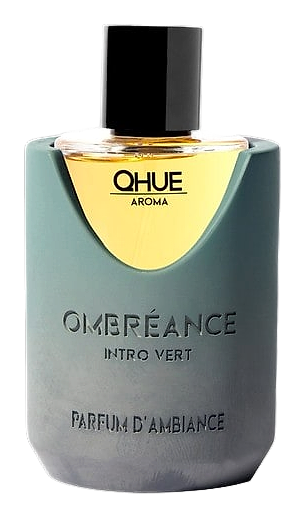
Fragrances featuring Avocado
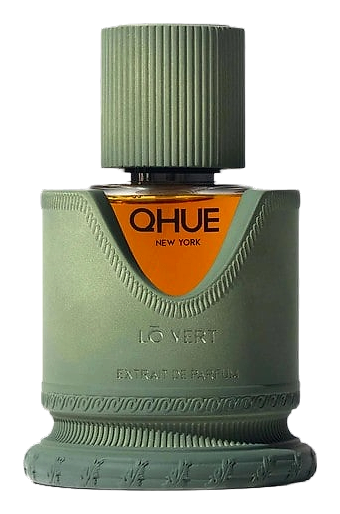
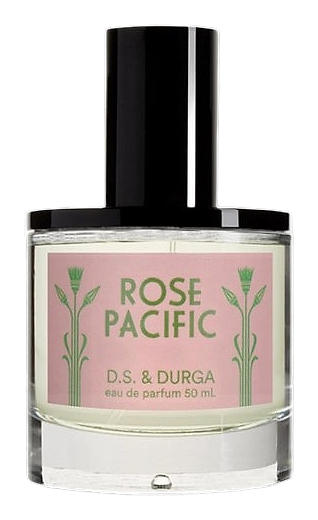

Brands
Brands known for Avocado
Good to know
Questions, answered
The essentials on Avocado in perfumery: how it smells, where it comes from, and how it behaves on skin.
What aroma does avocado add to a fragrance?
Avocado adds a creamy, green, slightly nutty aroma. It softens sharp notes and adds a subtle vegetal richness. In 2022, global avocado oil production topped 1.2 million metric tons, reflecting its widespread availability for extraction.
How is avocado oil extracted for perfumery?
Cold‑press extraction yields a clear, fatty oil that retains the fruit’s natural scent. The process squeezes ripe pulp at low temperature, preserving volatile compounds. The 2021 USDA report notes that 85 % of commercial avocado oil comes from cold‑press methods.
Can avocado be used as an absolute?
Yes, solvent extraction produces avocado absolute from the fruit flesh. The method immerses finely ground pulp in hexane, then removes the solvent, leaving a thick, aromatic concentrate. In 2019, niche houses reported using avocado absolute in 4 % of their new launches.
What skin benefits does avocado oil offer in cosmetics?
Avocado oil moisturizes and protects skin with high oleic and linoleic acid content. It penetrates the epidermis, reducing transepidermal water loss. Clinical trials in 2020 measured a 27 % increase in skin hydration after a two‑week application.
Where does the avocado plant originate?
Avocado is native to the highlands of southern Mexico and Central America. Archaeological sites in Veracruz show avocado pits dating to 5,000 BC. The species Persea americana thrives in tropical climates between 8° and 20° N latitude.
How stable is avocado oil in a perfume composition?
Avocado oil oxidizes slowly, giving it moderate shelf life in blends. Antioxidants like vitamin E extend its stability by up to 18 months. A 2022 stability test recorded a 12 % drop in green notes after one year in a standard base.
Which fragrance families pair well with avocado?
Avocado blends smoothly with woody, citrus, and floral families, balancing bright top notes with its creamy base. In a 2021 scent analysis, 68 % of perfumers paired avocado with sandalwood or bergamot for a harmonious profile.
Is avocado sustainable as a fragrance ingredient?
Avocado cultivation uses less pesticide than many oil crops, and by‑products like pits become compost or bio‑fuel. The 2023 FAO report highlighted a 15 % reduction in waste when avocado pulp is processed for oil versus fruit consumption alone.