The Story
Why it exists.
The beginning
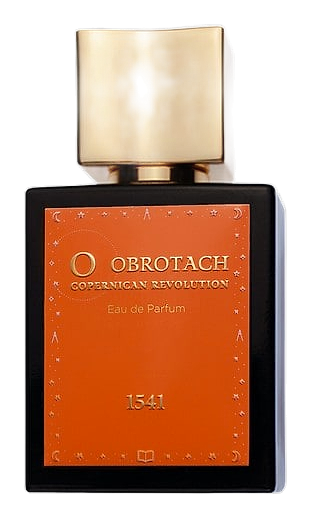
The name says everything. "O obrotach", "On the Revolutions", is the Polish title of the treatise that tilted the Earth off its axis. Nicolaus Copernicus submitted his heliocentric model to the world in 1543, arguing that the sun, not the Earth, sat at the center of everything. Chronicles chose 1541 as the fragrance's year, the moment before publication when the idea existed only in manuscript and memory. Alan Balewski was tasked with building a scent that could hold that kind of weight, a fragrance that felt like turning a page in history and finding something impossible underneath.
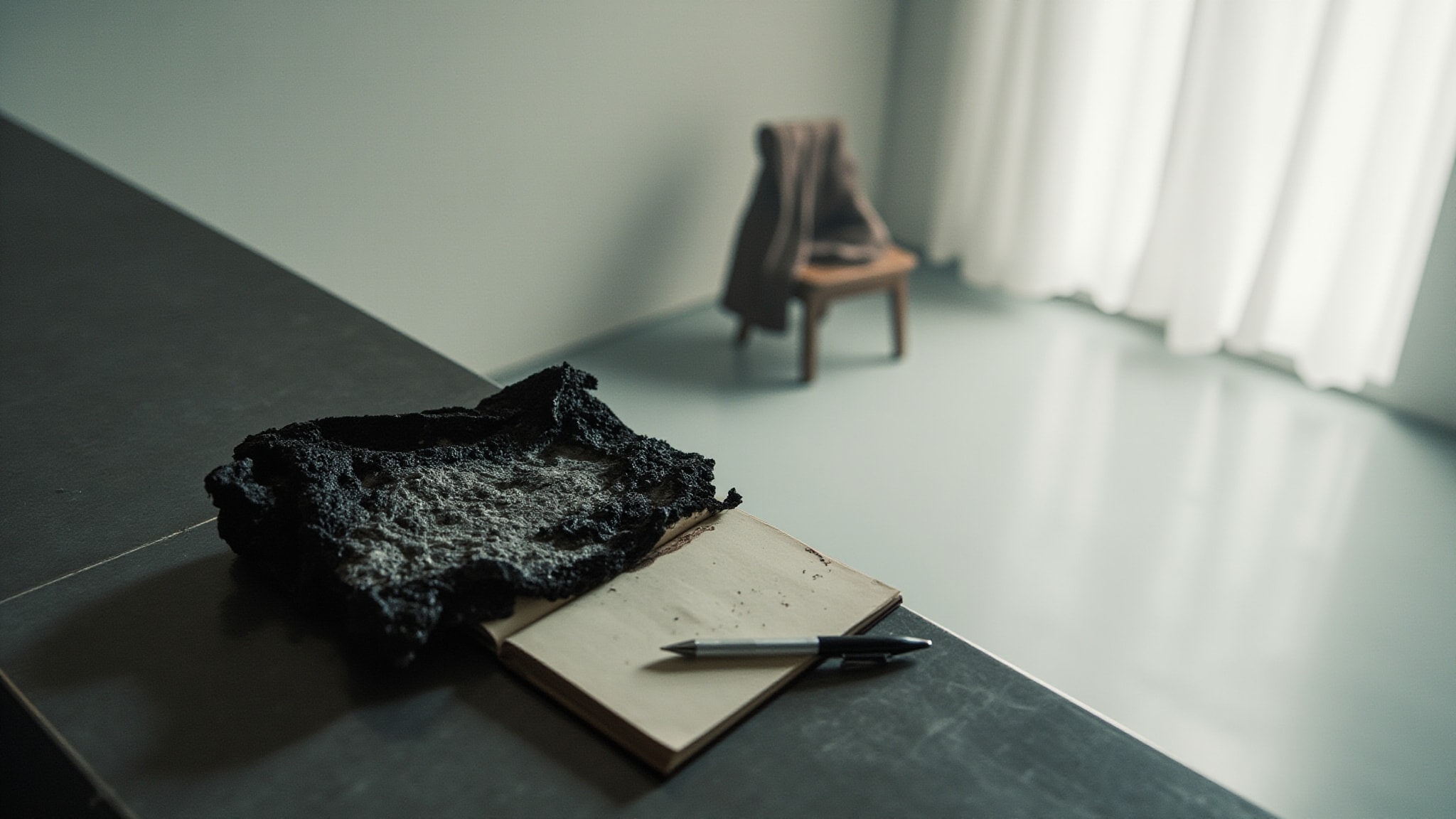
The pyramid does its work quietly. Solar Notes and lily of the valley open the composition with a brightness that isn't citrus, it's the light of a single candle in a stone-walled study. Immortelle anchors the heart with a hay-like amber warmth that smells like preservation, like something kept for centuries. Incense and ink carry the middle, smoke and astringency working together to suggest the scholar's workspace. Then the base: paper, ash, dry wood, leather. These are the materials of a manuscript, the physical residue of a paradigm shift. Nothing in this composition is accidental. Every material traces back to the historical moment it honors.
The evolution
The opening arrives clean and slightly floral, lily of the valley cutting through a haze of warm immortelle. Solar notes give it an airy quality, as if the room has high ceilings and cold light. Within 20 minutes, the ink surfaces. Sharp, slightly astringent, the kind of smell that makes you think of a freshly opened bottle rather than a page. The immortelle persists, growing honeyed and herbal as incense smoke threads through the composition. By the second hour, the drydown takes over, ash, leather, paper. This is where the fragrance earns its name. The ash doesn't read as burning; it reads as aftermath. Something was consumed here. The leather and dry wood hold it together, giving the final phase a dusty, almost mineral quality. On dry skin, the opening slows and the drydown extends. Some wearers report the ash lingering into the next morning, a faint, clean trace on skin that smells like a room that's been ventilated but not emptied.
Cultural impact
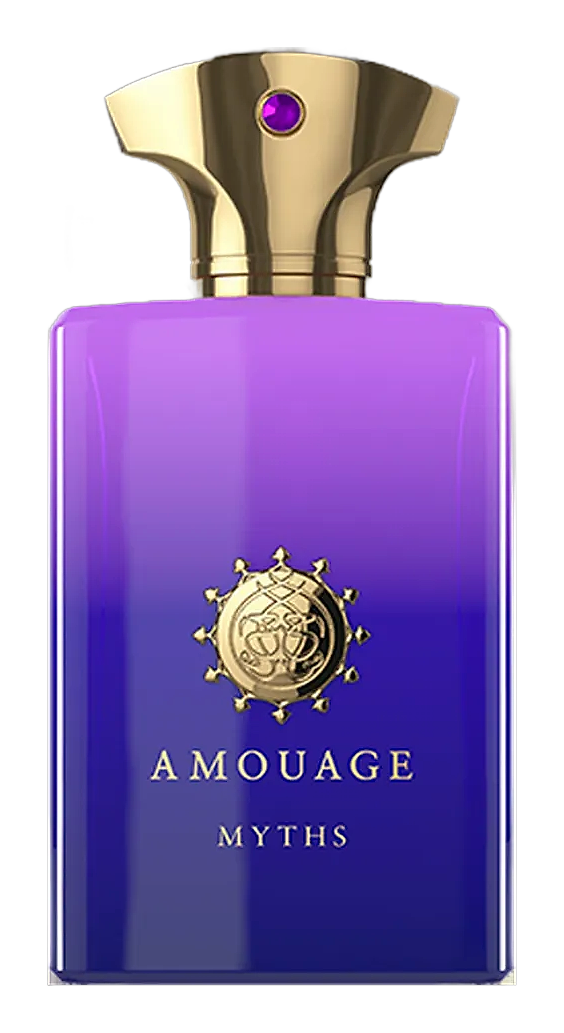
The Copernican Revolution fragrance arrived in 2025 as part of a brand that structures its releases around historical chronology rather than seasonal trends. Wearers describe it as the scent of someone who walks into a room and doesn't need to announce themselves, a quiet confidence that rewards attention. The immortelle-incense pairing draws comparisons to incense-forward compositions like Amouage Myths Man and Comme des Garcons Series 3 Incense: Zagorsk, though the Chronicles release leans drier and more paper-centric than either peer. The woody-smoky character with powdery and floral elements creates a profile that some find feminine-leaning, others find simply unusual, polarizing in the way that the most interesting fragrances tend to be.