The Story
Why it exists.
The beginning
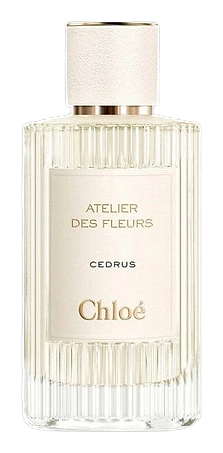
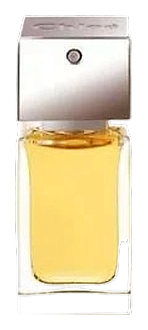
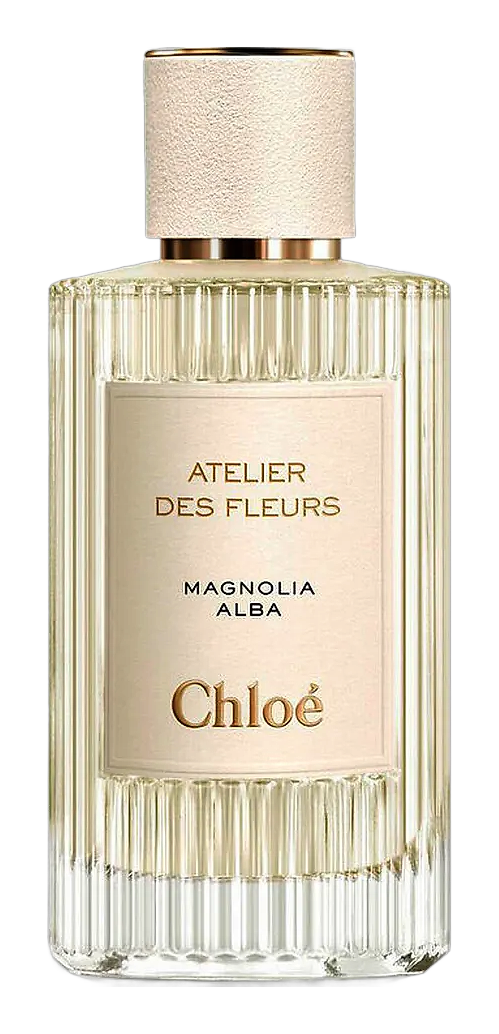
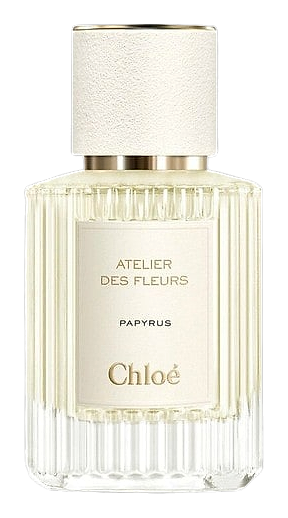
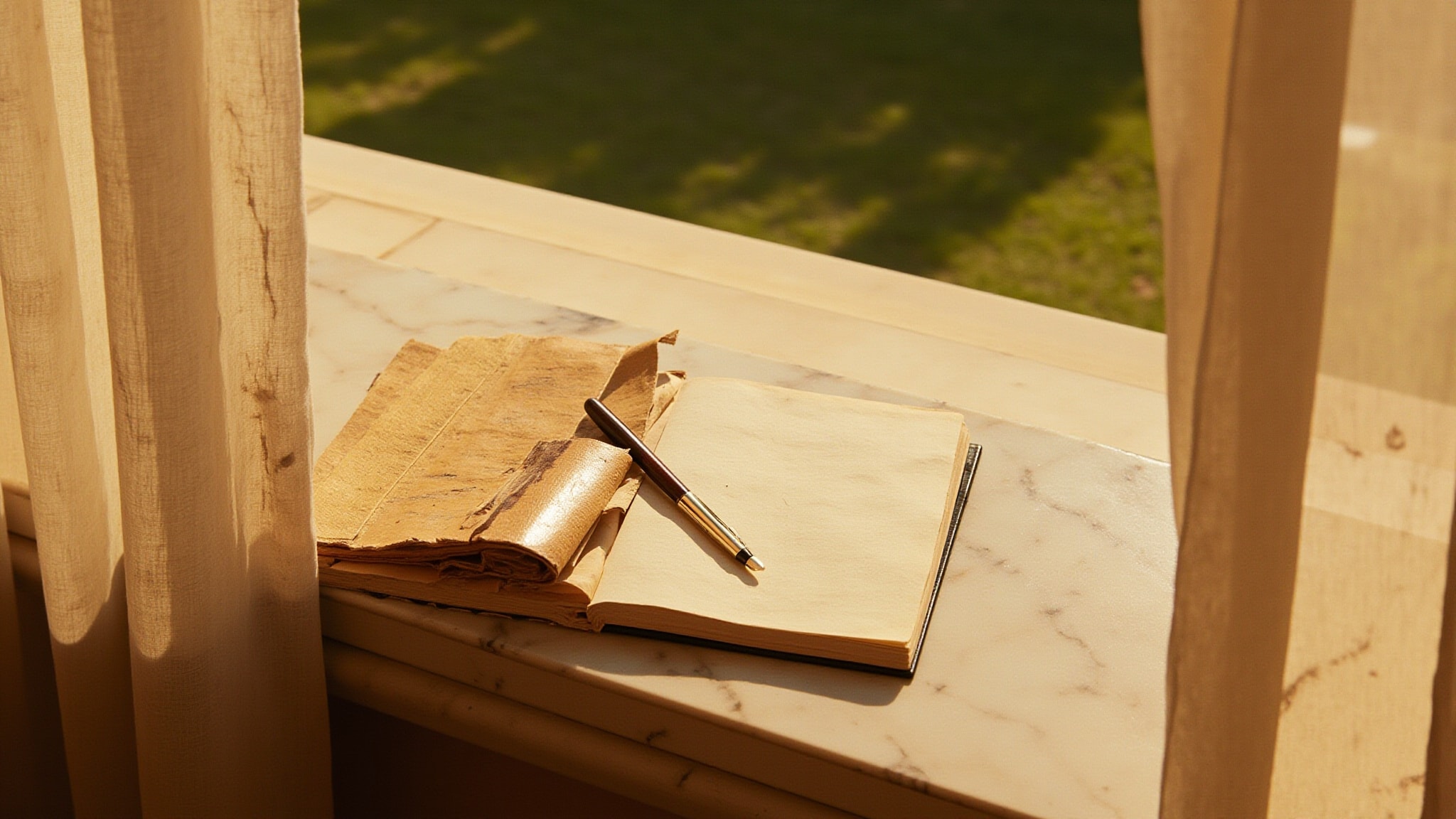
Alexis Dadier's grandparents brought him papyrus from Egypt when he was a child. Not perfume samples. Not fancy packaging. Actual papyrus, with hieroglyphs, warm from a market stall. That smell of dry plant fiber, slightly smoky and ancient, stayed. Years later, when Chloé asked Dadier to create something for the Atelier des Fleurs collection, he reached for that memory. Papyrus as a material, not a metaphor. Not incense or abstraction. The actual scent of the thing itself. He paired it with fresh green plant accords, because the memory of Egypt needed contrast, not reverence. The result is a fragrance that honors the origin without being a postcard.
Papyrus as a note in perfumery is uncommon. Where sandalwood and cedar have centuries of use behind them, papyrus sits on the margins. It reads as dry, slightly smoky, with a green edge that prevents heaviness. In this composition, the green plant accords serve a specific function: they keep the ancient material from feeling like a museum piece. Without them, papyrus risks becoming static. With them, the fragrance breathes. The result is woody aromatic territory with an unusual texture, neither purely natural nor synthetic, landing somewhere between the two.
The evolution
The opening is immediate and dry. Papyrus as a material, not a concept. Green arrives quickly, herbal and slightly bitter, like a plant pressed between old pages. It lifts what could have been heavy. Within the first hour, dry wood settles in alongside subtle leather. The leather is quiet. Not boots-and-jacket leather. More like the smell of an old book cover. Moderate sillage throughout. This does not announce itself. The green fades after a few hours, leaving papyrus wood and faint warmth on skin. By the final stretch, the drydown is skin-adjacent. A trace. The kind of thing a collar catches rather than a room. On fabric, papyrus clings longer. Expect four to six hours on most skin types, occasionally longer if the day cooperates.
Cultural impact
Papyrus occupies a specific corner of the fragrance landscape. In the Atelier des Fleurs collection, it stands apart from the florals and citrus singles, offering something drier and more unusual. Community reception is divided along predictable lines, those drawn to papyrus appreciate its specificity and the way it avoids conventional woody tropes, while others find the dryness sharp or the green too herbal. The fragrance's moderate sillage suits close wearing, which some read as restraint and others as a limitation.