The Story
Why it exists.
The beginning
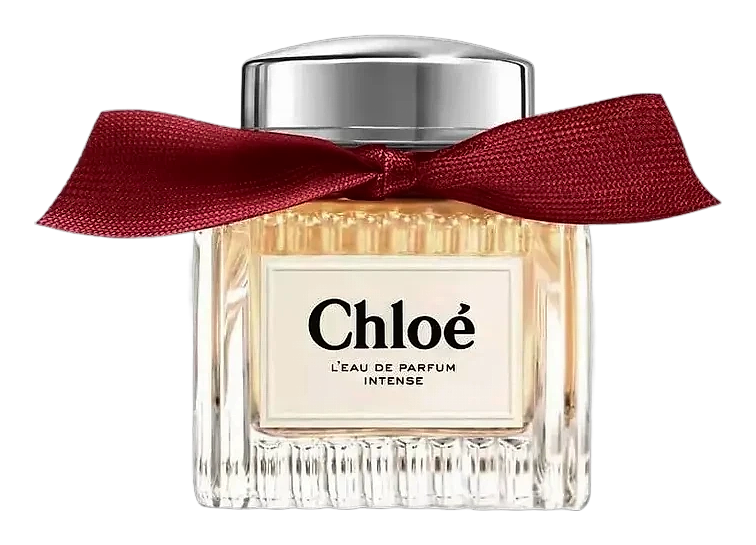
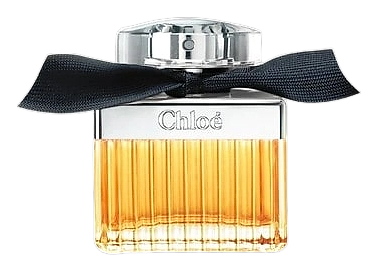
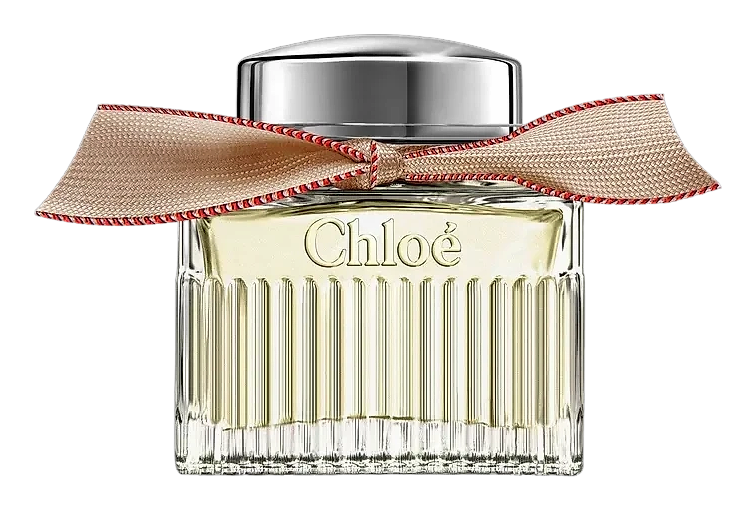
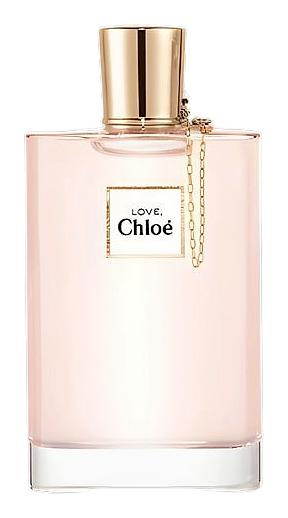
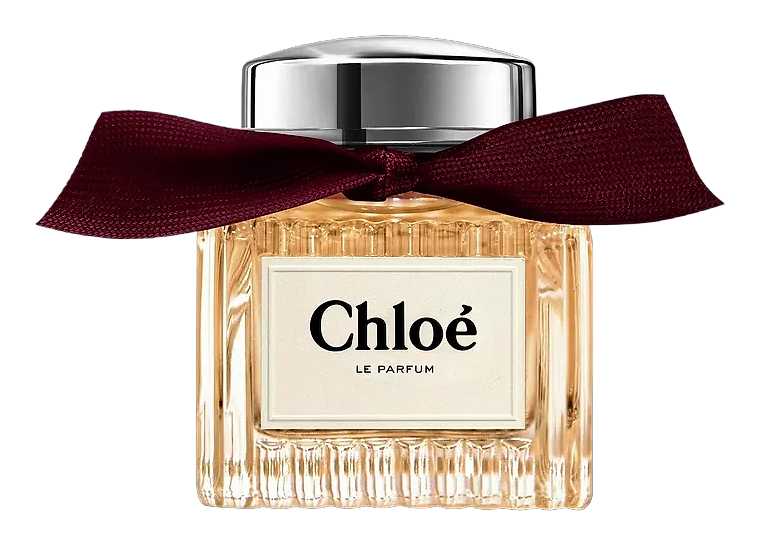
Romain Almairac built Chloé Le Parfum around a deceptively simple idea: what happens when orange blossom opens the door and rose walks in like it owns the place? The 2025 release sits within Chloé's long tradition of feminine florals, a house that has dressed confident women since 1952. This one doesn't announce itself. It waits. The perfumer kept the structure spare: orange blossom, rose, vanilla, tonka. No smoke. No spice. No darkness. Just warmth, refinement, and the quiet certainty of a rose that knows exactly what it is.
What makes this work is the restraint. Orange blossom is citrus-adjacent, bright, clean, but here it arrives and steps aside almost immediately, clearing the stage. The rose enters not as a sharp, dewy bloom but as something rounder, warmer, almost gourmand in its sweetness. That's where the tonka and vanilla earn their place: they don't amplify the rose, they support it. The result is a composition that feels cohesive rather than constructed, each layer arriving in sequence, none of them fighting for attention. The drydown is where Chloé's house character lives loudest: powdery, warm, skin-close. It doesn't project aggressively. It just stays.
The evolution
Orange blossom hits first. Thirty seconds of clean, bright sweetness that teases citrus without delivering a full burst. Then it recedes. The rose takes its time, not an entrance, more like a slow exhale. For the first hour on skin, this fragrance smells like a rich, almost syrupy white floral. Vanilla pushes through around the 45-minute mark, sweetening everything further. By the second hour, the tonka has arrived and the whole composition has shifted: warmer, powderier, closer. The sillage drops to moderate, present in the first two hours, then intimate. Longevity holds strong through hour six. On fabric, it survives a full day. The next morning, what's left smells like dried roses and warm powder. Not loud. Not gone. Just quietly present.
Cultural impact
Chloé has been a defining force in accessible luxury since Karl Lagerfeld reimagined the brand in the 1970s. The house's fragrance arm carries that legacy forward, each release a studied balance of Parisian elegance and modern wearability. Chloé Le Parfum (2025) lands at a moment when consumers seek warmth without sweetness overload, powder without retro associations. The orange blossom opening references the house's first fragrance while the vanilla-tonka drydown speaks to contemporary preferences. This release finds its place in a lineup that spans four decades of flankers, each one a refinement of the same rose-forward vocabulary.