
The Story
Why it exists.
The beginning
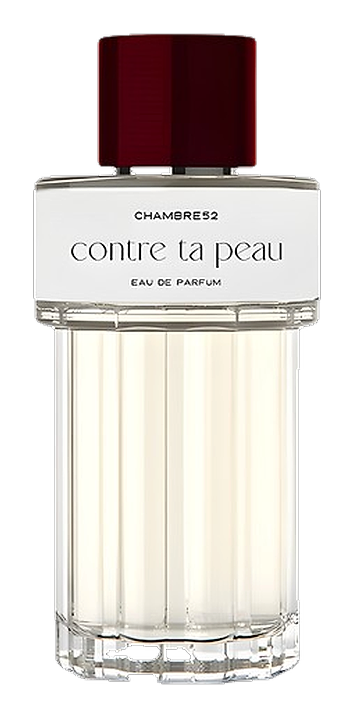
The name says everything: Contre Ta Peau translates to 'Against Your Skin.' This is a fragrance designed for proximity, not presence. Domitille Michalon-Bertier built it around the tension between bright orange blossom and warm, skin-like vanilla, two notes that should fight, but instead create something magnetic. The brief seems to have been simple: what does intimacy smell like when it's earned rather than announced?
The heliotrope is the quiet key. It's the note that makes this feel powdery without ever crossing into baby powder territory, that fine line between clean skin and heavy fragrance. Combined with neroli and a subtle anise note, the composition stays just off-balance enough to be interesting. Pink pepper adds a flicker of warmth without spice. This isn't a fragrance that announces itself; it's one you discover when someone's already close enough to notice.
The evolution
The opening arrives quickly: bright, floral, almost aldehydic in its clarity. Orange blossom dominates, with neroli and petitgrain providing a citrus lift that keeps things fresh. Within twenty minutes, the heliotrope emerges, that powdery warmth that starts to shift the composition from 'fragrance' to 'skin.' The vanilla arrives quietly, not as a sweetener but as warmth. What you're left with is something that smells like proximity. Not a room you walked into. A person you leaned toward. The drydown holds for hours, fading to a musky vanilla that stays intimate and close.
Cultural impact
Contre Ta Peau has quietly become one of the more discussed releases from the young Parisian house. The 'skin scent' category has grown crowded, but this one earns its place through execution rather than positioning. The powder-to-vanilla drydown is well-balanced, not the heavy, animalic interpretations that divide opinion, but something more accessible. Wearers describe it as intimate without being challenging, sweet without being saccharine. It's the fragrance for someone who understands that the best scents are the ones you discover, not the ones that announce themselves.