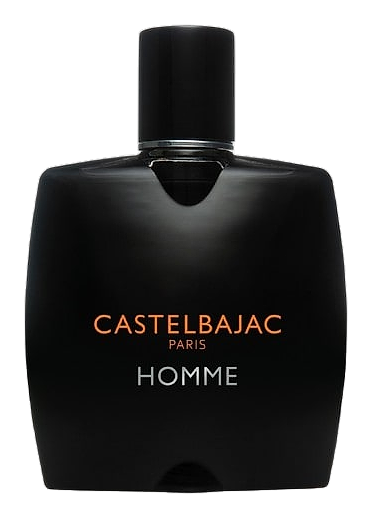

The Story
Why it exists.
The beginning
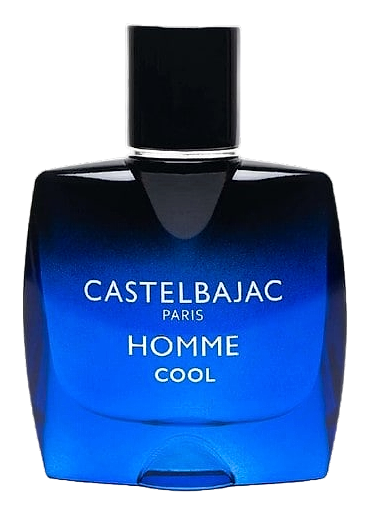
Castelbajac Homme arrived in 2019, designed by Benoist Lapouza for a French house that has never played by the rules of conventional luxury. The brand, founded by designer Jean-Charles de Castelbajac in 1981, has built its fragrance identity on a specific kind of optimism: pop-art color, spiritual imagery, and an insistence that joy and depth aren't opposites. This masculine entry fits that DNA. Six notes. No filler. The brief seems to have been: citrus that sparks, spice that warms, wood that stays.
What makes Castelbajac Homme unusual is the top note itself. Finger lime, sometimes called caviar lime, doesn't behave like ordinary citrus. Its tiny vesicles burst on the skin with an effervescence that's harder, more electric than bergamot or lemon. The pink pepper in the heart softens the sharpness without diluting it. Star anise is where opinions diverge. It's a quiet aniseed note, not the blunt black licorice of some compositions, but it's unmistakable if you're paying attention. The base leans into ambroxan, the clean mineral molecule that smells like warm stone, then grounds with vetiver and patchouli.
The evolution
The opening lasts fifteen minutes of pure citrus voltage, finger lime's sharp, almost shimmering quality. Then the warmth arrives. Pink pepper softens what came before; star anise introduces its faint aniseed breath, never dominant but never absent either. The handoff to the base feels unhurried. Ambroxan takes over, smooth and mineral, almost the smell of warm stone. Vetiver and patchouli anchor the composition into something earthy, intimate, close to skin. By the time eight hours pass, what remains is a memory of warmth on skin, not loud, not projecting, but noticed when someone gets close.
Cultural impact
Castelbajac Homme occupies a particular niche: a masculine fragrance with an unconventional citrus opening that refuses to play safe. The finger lime and star anise pairing isn't common, and the sparse note pyramid suggests deliberate restraint rather than marketing depth. In a market flooded with predictable woody-citrus structures, this one asks something of the wearer, and that quality tends to attract those who've grown tired of mass-appeal compositions.
The House
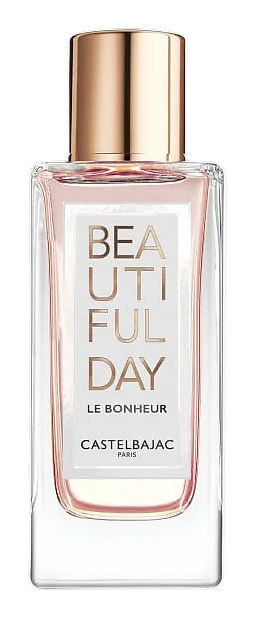
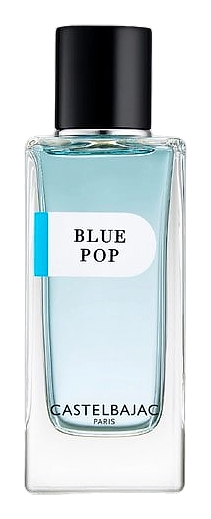
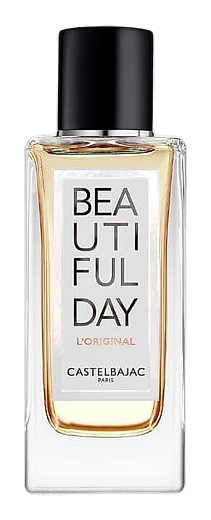
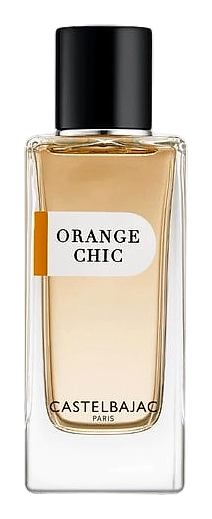
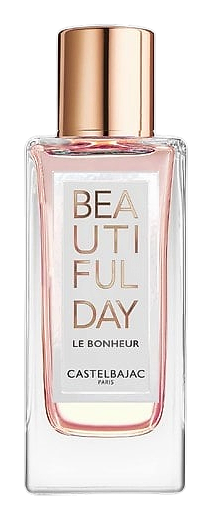
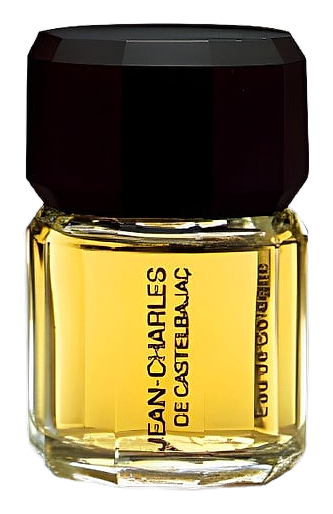
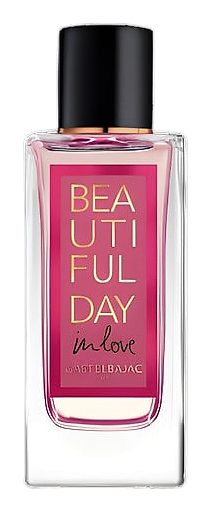
CastelbajacCastelbajac occupies a distinctive corner of the fragrance world, rooted in the creative universe of Jean-Charles de Castelbajac, the French designer known for his bold pop-art sensibility and spiritual imagery. The brand translates his multidisciplinary vision into scent, spanning from the founding fragrance in 1981 through recent releases like Addiction in 2023. Castelbajac perfumes tend toward an optimistic, slightly whimsical character, often blending fruity brightness with warm oriental depth. The house has maintained a relatively boutique presence in perfumery, distinct from the sprawling portfolios of major luxury conglomerates. Its catalog includes the long-running Beautiful Day series, the original Jean-Charles de Castelbajac from 1982, and various flankers that have expanded the line over four decades.
The Creator
Benoist LapouzaBased on his work with By Kilian, Benoist Lapouza seems drawn to rich, gourmand accords blended with boozy notes and warm spices. He likely favors using high-quality raw materials and has a knack for creating fragrances with significant depth and longevity.