The Story
Why it exists.
The beginning
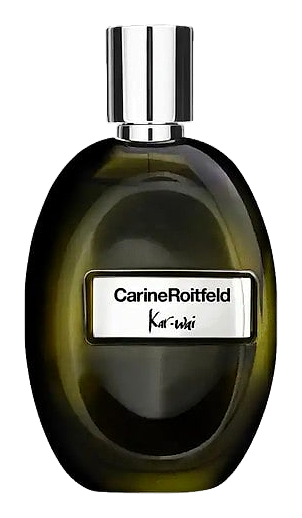
Kar-Wai translates a particular tension into scent: an exploration of another continent, another mood, another version of the evening. The force of contrast runs through the composition, inviting a sensory encounter with something unexpected. Pascal Gaurin built the structure around smoked Longjing tea, the bitter, savory note that anchors everything, and Osmanthus, the osmanthus that carries apricot and leather in its petals. The Osmanthus brings a sweetness that feels both floral and grounded, a fruity quality that suggests stone fruits and honey while maintaining an earthy complexity. The leather note isn't aggressive. It's modern.
The Osmanthus is what makes Kar-Wai different from other leather fragrances. Osmanthus is a Chinese flower, sweet, fruity, apricot-like, but it carries a leather undertone that most people never notice. Here, it does double duty: it provides the floral heart and it bridges the tea and the leather. Longjing tea, meanwhile, isn't a decorative note. It's structural. The smoky, slightly bitter quality of green tea roasted in wok gives the entire composition its backbone. Without it, the florals float. With it, they have somewhere to stand.
The evolution
The bergamot opens the door. Bright, citrusy, a quick hello before the rest arrives. Cardamom is there too, a warmth that keeps the citrus from being too clean. Then the Longjing tea enters. Smoky, bitter, almost savory. The leather follows, not as a shock but as a quiet announcement. Osmanthus and Turkish rose take over the middle, sweet, slightly fruity, with that apricot quality that makes the florals feel warm rather than delicate. Jasmine sambac lingers at the edges, adding something nocturnal. Vetiver grounds everything, giving the florals an earthy counterweight. As it settles, the leather softens. It becomes less structured, more intimate, the leather of something worn, something lived in. The florals fade, but they don't disappear. They dissolve into the vetiver and the tea. What remains is close to the skin: jasmine, musk, and the faint warmth of leather. The drydown is skin and fabric. The next morning, there's still something there, clean, warm, a trace of smoke.
Cultural impact
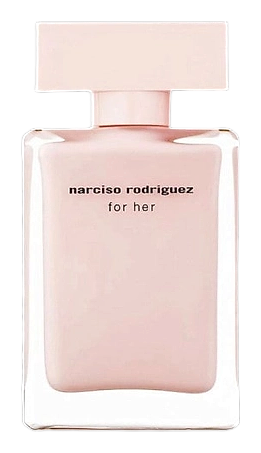
Kar-Wai occupies a specific space: floral leather with a tea-forward structure. Similar compositions in this space include Tom Ford White Suede and Narciso Rodriguez For Her, though neither uses Longjing tea as a structural element. The combination of smoky tea, sweet osmanthus, and soft leather creates a niche that appeals to those who appreciate unconventional fragrance construction. The fragrance stands apart from more traditional leather scents by incorporating the bitter, savory quality of the tea as a foundation rather than an accent, and from straightforward floral fragrances by grounding them in something unexpected.